 How-to
How Do You Verify Appliance Installer Credentials?
Last Updated: November 20, 2026
Quick Summary
To verify appliance installer credentials, search the official state licensing board or local building department registry using the legal business name and license number, then confirm the status is active, the expiration date is current, and the scope of work matches your job. Also confirm insurance and any manufacturer authorization directly with the issuer.
- There is no single national license for appliance installation; rules come from state boards and local building departments.
- Ask for the legal business name, license number and type, and the name of the individual doing the work.
- Screenshot the registry result with the date visible and save it with your quote and insurance certificate.
- Call the insurer's number on the certificate of insurance to confirm the policy is live.
- A license for the wrong scope of work is still a problem, so ask licensed for what.
Table of Contents
- Why Verifying Appliance Installer Credentials Matters
- What a Residential Appliance Installer License Actually Covers
- How to Run a License Lookup Through an Official Registry
- Appliance Installer Insurance and Bonding: What to Confirm
- Why a Manufacturer-Authorized Appliance Installer Matters
- How to Verify Appliance Installer Credentials for Whirlpool and Other Brands
- Red Flags, Mismatches, and Expired Credentials
- Book Your Installation With Credentials Already Checked
- Frequently Asked Questions
Why Verifying Appliance Installer Credentials Matters
A dishwasher that leaks behind the cabinet or a gas range hooked up to a bad connection can cost far more than the appliance itself.
Appliance installer credentials are the documents and records that prove a person or company is legally allowed and properly qualified to install your appliance.
Why does this matter so much? Three reasons:
- Water and gas connections fail silently. A slow leak under a washer can rot a floor before you notice it.
- Unpermitted electrical work can void coverage. If a fire traces back to bad wiring, your insurer may push back.
- Warranty claims can be denied. Manufacturers often require installation by a qualified professional.
Most guides tell you to "check for a license" and stop there. That is not enough.
What a Residential Appliance Installer License Actually Covers
A residential appliance installer license is a state or local permit that allows a person or business to install appliances in homes. It is not one universal document. What it covers depends entirely on where you live.
Where Licensing Rules Come From
There is no single national license for appliance installation. Rules come from three places:
- State licensing boards, which handle contractor and specialty trade licenses
- County and city building departments, which issue permits and local registrations
- Trade and industry bodies, which issue voluntary certifications
Some states require a specific license for appliance installation. Others fold it into a general contractor or handyman license. Many places require no license at all for a simple plug-in swap but do require one the moment gas, water lines, or new electrical circuits are involved. state and local building department guidance is the fastest way to find which office governs your address.
Scope of Work: What the License Does and Does Not Permit
This is the part most homeowners skip, and it is where trouble starts. A license has limits.
A handyman license may let someone swap a freestanding range. It usually does not let them run a new gas line or pull a dedicated electrical circuit.
So when you verify appliance installer credentials, do not just ask "are you licensed?" Ask "licensed for what?" A valid license for the wrong scope of work is still a problem.
How to Run a License Lookup Through an Official Registry
A license lookup is a search of an official government database that shows whether a license is active, what it covers, and whether it has complaints against it. This is the single most important step in the whole process, and it is where most homeowners stall out, not because the lookup is hard, but because they search the wrong database.
Step 1: Find the Correct Regulator for Your Address
There is no single national lookup for appliance installers. The office that governs your installation depends on your address and on the scope of work. Work through this sequence:
- Start with your state licensing board. Search for your state's contractor licensing agency and use its license search. Most state boards publish a public lookup that accepts a name or license number.
- Check your county or city building department. Many municipalities register or license installers separately from the state, especially for work that requires a permit. The department that issues the permit is usually the department that holds the registration.
- Confirm which office governs the specific task. A plug-in appliance swap may fall under no license at all, while a gas connection or a new electrical circuit typically pulls in a plumbing or electrical license plus a permit. Ask the building department which license type is required for the exact work on your quote.
state and local building department guidance is a reasonable starting point to locate the right office, but the authoritative record is always the state board or local building department's own lookup tool.
Step 2: Collect the Right Identifiers Before You Search
A lookup only works if you search the right name. Ask the installer, in writing, for:
- The legal business name as registered with the state, not the trade name on the truck
- The license number and license type
- The name of the individual who will perform the work, if the license is held by a person rather than a company
Watch out: trade names and legal business names often differ. A company can operate as "Quick Appliance Pros" while its license sits under a completely different legal entity, and a search on the trade name will return nothing even though a valid license exists.
Step 3: Run the Search and Read the Record
Enter the license number first, then the legal name. When the record appears, read four things:
- Status. Active, expired, suspended, or revoked all mean different things. Only active is acceptable.
- Expiration date. Confirm the date on the registry record, not the card in the truck.
- Scope of work. The record should list what the license authorizes. Compare it to the work on your quote.
Step 4: Handle a Failed or Ambiguous Search
A search that returns nothing is not proof of fraud, but it is a stop sign until it is explained. Common explanations include a name mismatch, a license held by an individual rather than the company, a registration filed at the county level instead of the state, or a license that lapsed. Ask the installer to reconcile the record in writing.
Step 5: Preserve the Evidence
Screenshot the result with the date visible. Registries change, and a dated screenshot of the license status is your paper trail if a dispute arises later. Save it alongside the written quote and the certificate of insurance.
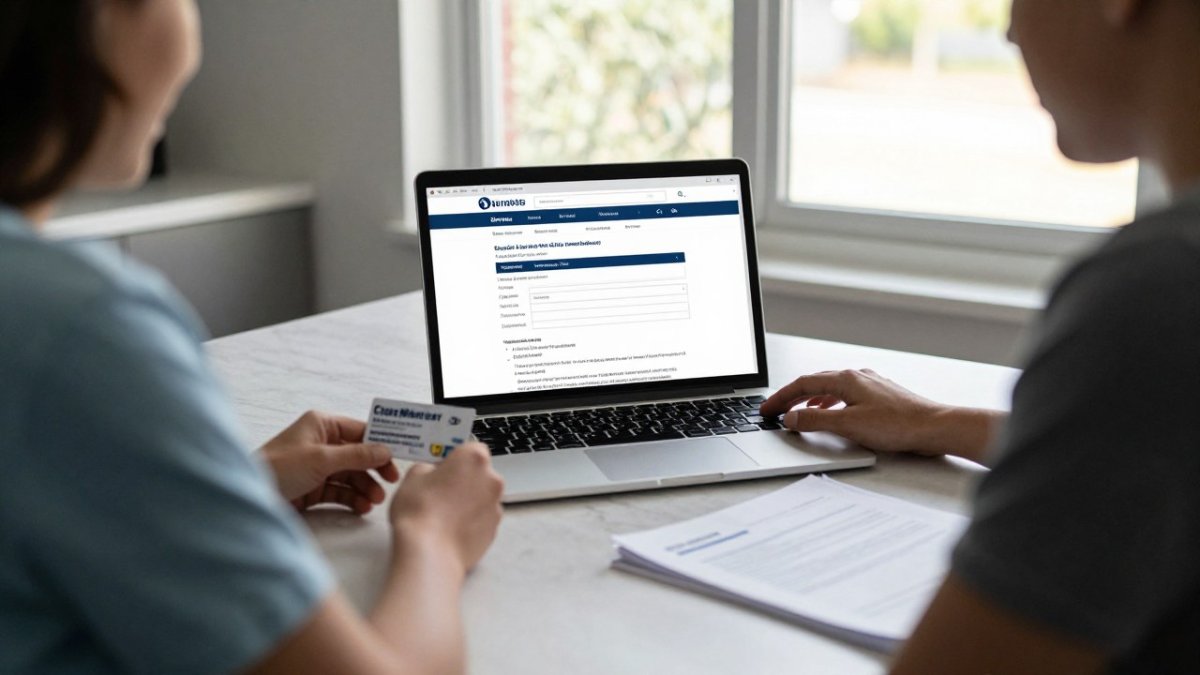
The lookup itself is a short sequence, but each step depends on searching the right record.
| Step | What to do | What to check |
|---|---|---|
| 1 | Find the correct regulator for your address | State board, then county or city building department |
| 2 | Collect identifiers before searching | Legal business name, license number and type, individual's name |
| 3 | Run the search and read the record | Status, expiration date, scope of work, complaint history |
| 4 | Handle a failed or ambiguous search | Ask installer to reconcile the record in writing |
| 5 | Preserve the evidence | Screenshot the result with the date visible |
Appliance Installer Insurance and Bonding: What to Confirm
A license proves someone is allowed to work. Insurance proves you are not the one paying if something goes wrong. Confirm both.
Ask for a certificate of insurance and check three things:
- General liability coverage is active and current
- The policy dates have not expired
- The business name on the policy matches the legal name on the license
A bond is a separate protection.
Watch out: a certificate of insurance can be faked or expired. Call the insurer's number listed on the certificate and confirm the policy is live.
This is also where liability gets real.
Why a Manufacturer-Authorized Appliance Installer Matters
A manufacturer-authorized appliance installer is a company the appliance brand has approved to install its products. That approval usually comes with training, and it often protects your warranty.
Here is the plain version: many manufacturers require professional installation for warranty coverage on certain products. A gas range or a built-in dishwasher is a common example.
So how do you verify appliance installer credentials for a specific brand? Two steps:
- Check the manufacturer's own website for an authorized installer locator.
- Ask the installer for their authorization details and confirm them with the brand.
If you are worried about what happens when a claim is denied, it helps to understand the process in advance. Our guide on how to file an appliance warranty claim walks through the paperwork and the timelines.
How to Verify Appliance Installer Credentials for Whirlpool and Other Brands
Brand-specific checks follow the same pattern, but the details live with each manufacturer.
The same approach works for any brand:
- Find the brand's authorized installer tool on its official site
- Search by ZIP code to see approved providers near you
- Confirm the company name matches what your installer gave you
A common mistake is trusting a logo on a website. Anyone can print "Authorized" on a van.
If you are shopping for a Whirlpool appliance and want to see one ready to install, browse our Whirlpool electric range listing to check availability and specs.
Red Flags, Mismatches, and Expired Credentials
Even careful homeowners hit problems. What separates a safe hire from a risky one is knowing what to do when verification does not come back clean. Here is how to handle the three most common failures, plus the fraud and privacy issues most guides skip.
When the Record Does Not Match the Installer
A mismatch is the most common failure. The name on the license does not match the name on the quote, or the license belongs to a different entity than the one billing you. Ask for the legal entity name in writing and compare it to the registry record. Legitimate explanations exist, a parent company, a recent name change, or an individual license held by the owner of an unlicensed business entity.
When a Credential Is Expired or Suspended
A license that lapsed last month is not valid today, and a suspended license is worse than no license. Check the expiration date and status on the registry record, not the card in the truck. If the status is anything other than active, ask the installer to produce a current record before any work begins.
When the Issuer Cannot Confirm the Credential
"Our license is on file at the office" is not proof. A legitimate installer will hand over the number and let you check it. If the issuing organization cannot confirm a certification, treat the credential as unverified until the issuer provides a written confirmation. This applies to manufacturer authorizations as well as trade certifications.
Credential Fraud and Privacy-Safe Verification
Fraud in this space usually takes two forms: fabricated documents and stolen credentials. A screenshot of a license, a logo on a van, or a PDF certificate proves nothing on its own. Verify documents directly with the issuer or regulator, call the number published on the regulator's own website, not the number printed on the installer's paperwork.
Other Red Flags to Watch For
- Pressure to skip the permit
- No written quote or contract
- Cash-only payment with no receipt
Unverified installers also tend to spring surprise charges. Our checklist on avoiding hidden appliance installation fees helps you spot those before you sign.
Book Your Installation With Credentials Already Checked
The easiest way to avoid all of this is to work with a company whose credentials you can check in minutes.
Here is what to do next:
- Ask for the license number and legal business name before you book
- Run the lookup in your state or local registry
- Confirm insurance with a quick call
Want to see exactly what is involved before you commit? Read our breakdown of dishwasher and over-the-range microwave installation to see what our $100 installation includes and what you need in place first.
If you would rather start with vetted options, our list of the 5 best appliance installation companies in my area shows companies whose credentials you can verify yourself.
Verifying credentials takes about fifteen minutes. Skipping it can cost you a flooded floor, a denied warranty claim, or worse.
Frequently Asked Questions
Do you need a license to install appliances?
It depends on the work. Licensing requirements for hardwired, gas, and water-line connections vary by state and locality, so confirm the requirement with your state or local building department. Simple plug-in or slide-in replacements with existing connections often fall outside licensing rules. Always ask the installer which license type applies to your specific job, then confirm it with the state or local regulatory agency before booking.
What credentials should an appliance installer have?
Look for four things: a state or local license where the work requires one, general liability insurance with a current certificate, a surety bond if your area mandates it, and manufacturer authorization for the brand you bought. Ask for the legal business name, license number, expiration date, and certificate of insurance. Then verify each one independently through the issuing body rather than trusting a photo of a card.
How do I verify an appliance installer's insurance?
Request a certificate of insurance directly from the installer and check that the legal business name matches the one on the license. Call the insurer using the number on the certificate, not one the installer gives you, and confirm the policy is active with no lapse. Ask whether general liability and workers' compensation are both in force. If a worker is injured in your home without coverage, the liability can land on you.
Should an appliance installer be certified by the manufacturer?
Manufacturer authorization is not legally required, but it matters for warranty protection. Many brands require installation by an authorized provider for the warranty to stay valid on connected appliances like refrigerators with water lines or gas ranges. Ask the installer for their authorization status and confirm it through the brand's own support line or dealer locator. Keep the installation receipt as part of your paper trail.