 how-to
Avoid Hidden Appliance Installation Fees: A Complete Checklist
Table of Contents
- Understanding Appliance Installation Costs: What's Included and What Isn't
- Appliance Installation Cost Breakdown: Fees You'll Actually Pay
- Appliance Installation Exclusions: Know What You're Not Getting
- Questions to Ask Appliance Installers Before You Book
- Your Appliance Installation Checklist: Step-by-Step Protection
- Avoiding Hidden Appliance Installation Fees: Real Scenarios and Solutions
- Evaluating In-Home Estimates and Price Comparisons
- Your Rights and Dispute Resolution
- Frequently Asked Questions
Last Updated: October 9, 2026
Understanding Appliance Installation Costs: What's Included and What Isn't
When you buy a new appliance, the sticker price is rarely the final cost. Hidden appliance installation fees can add hundreds of dollars to your purchase. The difference between standard installation and nonstandard installation often determines whether you face surprise charges at delivery. Proactive planning for these initial setup costs helps prevent the long-term financial strain often associated with unexpected appliance repair fees.
Standard installation versus nonstandard installation
Standard installation covers the basics: delivery, unboxing, and placement in your home. The installer removes packaging and positions the appliance where you want it. They may check that it's level and operational. That's where standard stops.
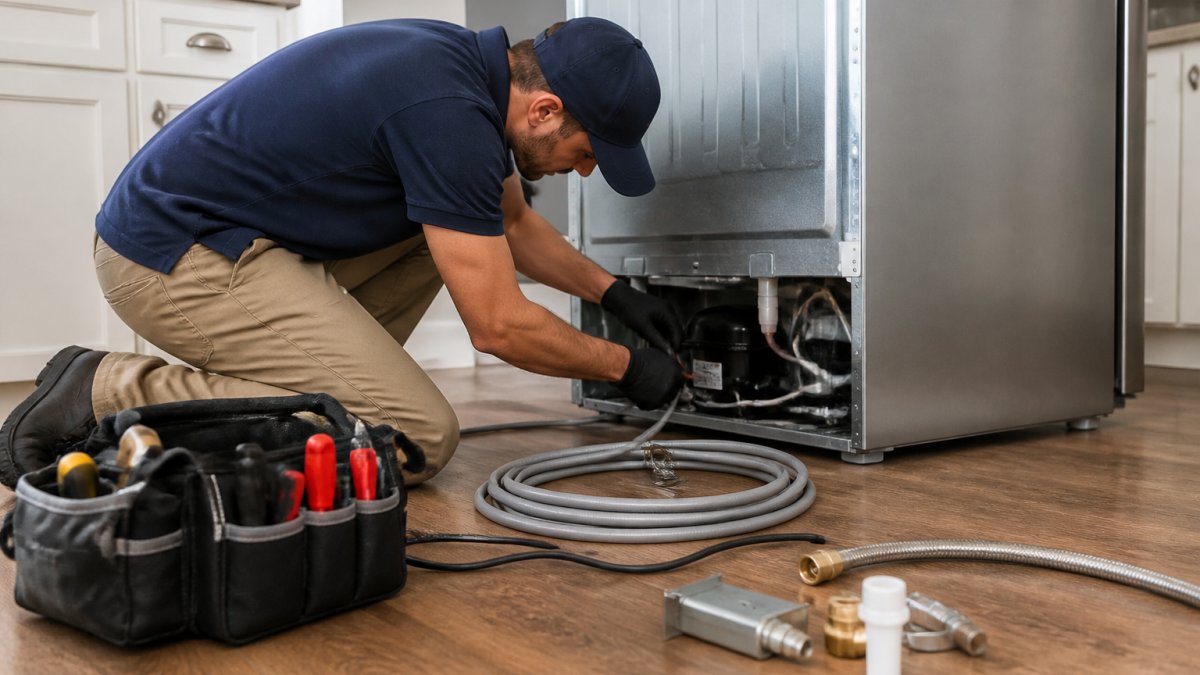
Nonstandard installation is anything beyond that. It includes:
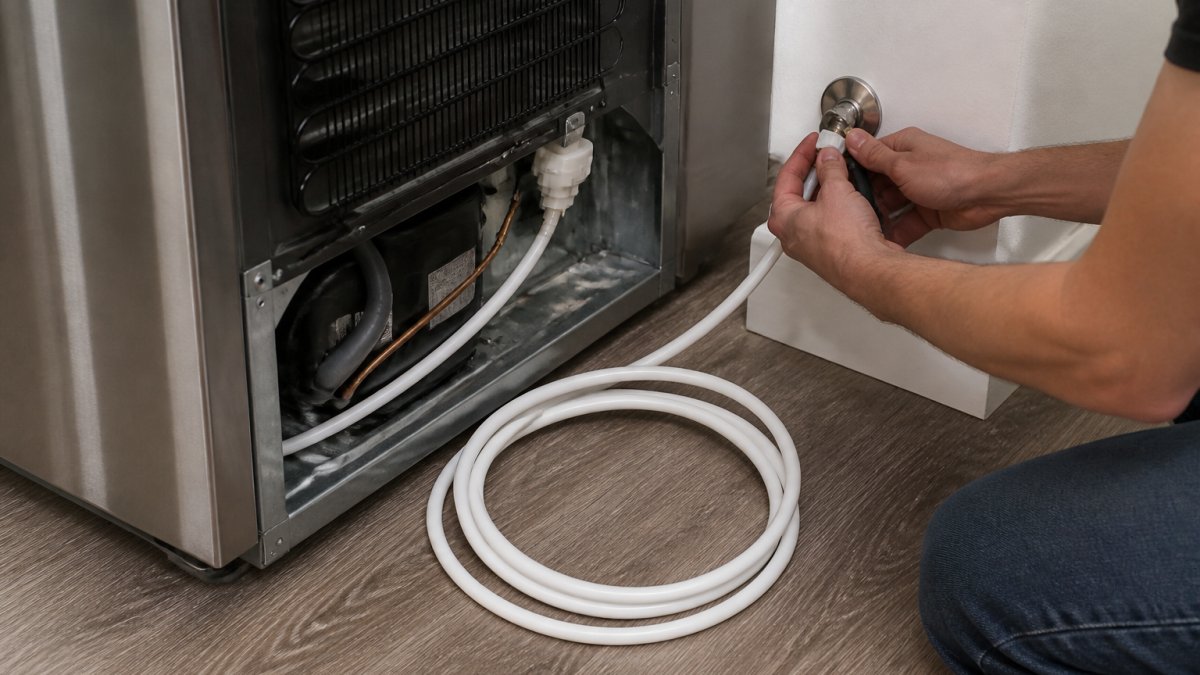
- Water-line connections for refrigerators or dishwashers
- Gas connections for stoves or dryers
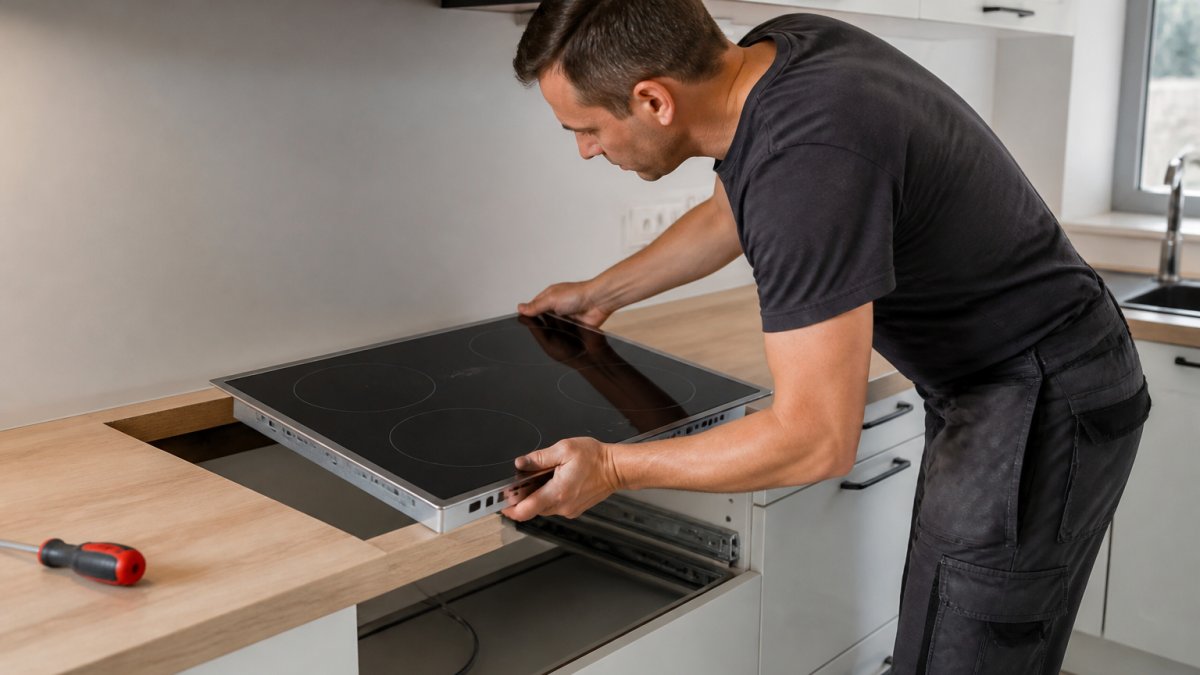
- Electrical work beyond plugging into an existing outlet
- Vent connections for dryers
- Removing and disposing of your old appliance
- Moving the appliance to a location requiring special handling
Ask your retailer upfront: "Is this standard or nonstandard installation?" The answer changes your total cost dramatically.
Common items excluded from delivery
Most retailers exclude these from their base delivery fee:
- Removing old appliances (haul-away service)
- Installing water lines or gas lines
- Running new electrical circuits
- Venting dryer exhaust to the outside
- Adapters, brackets, or installation kits
- Return trips if the first visit reveals unexpected problems
- Site preparation (moving cabinets, adjusting doorways)
These exclusions are where hidden fees hide. A dishwasher that costs $599 can cost $800 once you add water-line installation, removal of your old unit, and a return trip because your cabinet opening is too narrow.
Appliance Installation Cost Breakdown: Fees You'll Actually Pay
Understanding each fee category helps you spot surprises before they happen. Ask for an itemized quote that lists every charge separately.
Delivery and haul-away charges
Delivery fees typically range based on distance and appliance size. A refrigerator costs more to deliver than a microwave because of weight and dimensions.
Haul-away (old-appliance removal) is often optional. Many retailers charge separately for this service.
Key questions:
- Is delivery included in the advertised price?
- Does haul-away cost extra?
- What's the fee if your old appliance is too large or damaged to remove?
- Are there surcharges for difficult access (stairs, narrow hallways, basements)?
Labor, parts, and connection fees
Labor charges vary widely. A basic installation might cost $50-$150. Complex installations (water lines, gas, venting) can run $200-$500 or more per connection type.
Parts and adapters are separate from labor.
Connection fees break down this way:
- Water-line connection: often $100-$200
- Gas connection: often $100-$200
- Electrical work: varies by complexity
- Vent installation: often $75-$150
Installers may charge per connection or per appliance. Ask for the total installed cost, not just the per-item rate.
Return-trip and site-readiness fees
Site-readiness fees apply when you haven't prepared the space. Some retailers charge if they must move furniture, clear pathways, or wait for you to make space.
Appliance Installation Exclusions: Know What You're Not Getting
Standard installation does NOT include site preparation. If your kitchen cabinets block the refrigerator opening, the installer won't modify them. You pay extra or do the work yourself.
Standard installation does NOT include modifications to your home. If your dryer vent is blocked or your dishwasher requires a new water line, those are add-ons.
Standard installation does NOT cover disposal of hazardous materials. Old refrigerants in your refrigerator may require certified disposal (the EPA). Ask whether this is included or extra.
Standard installation does NOT include cosmetic adjustments. If the appliance arrives with minor scratches or dents, the installer typically won't replace it. Damage claims go through the retailer's return process.
Standard installation does NOT guarantee perfect fit. If your new refrigerator is slightly wider than expected, the installer won't modify your cabinet opening. You accept the appliance as-is or return it.
Questions to Ask Appliance Installers Before You Book
Asking the right questions prevents surprises. Write down the answers and request an itemized quote in writing.
Pre-installation measurement and site inspection
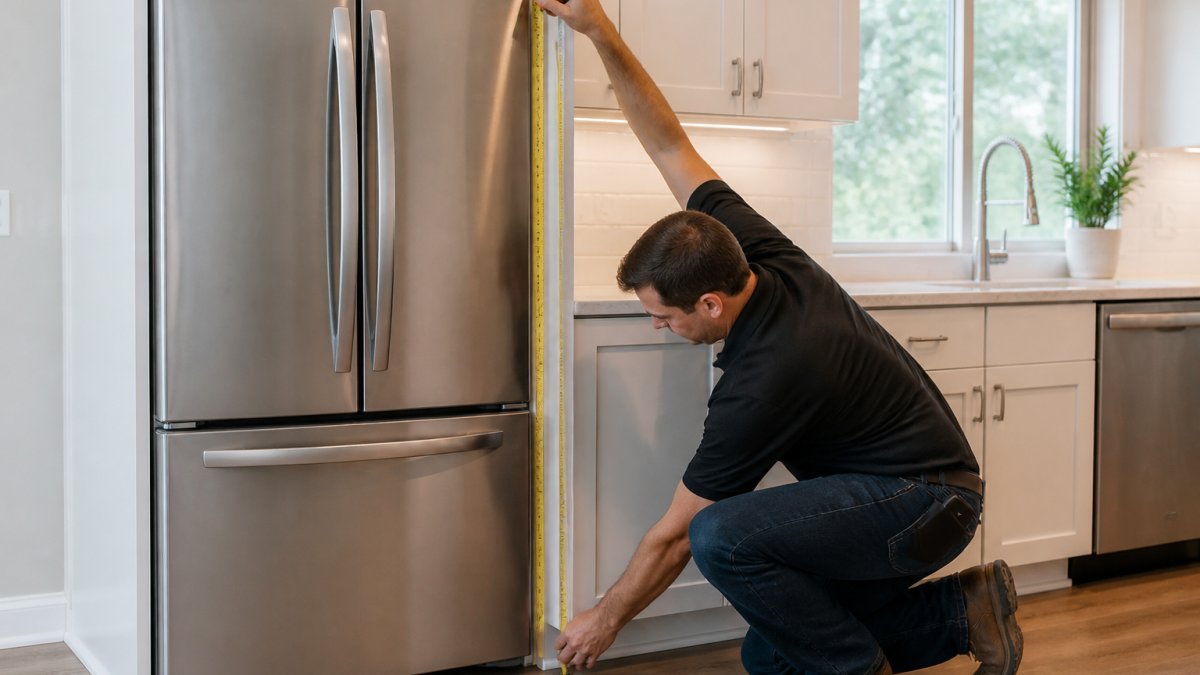
Many retailers offer free in-home measurements before you buy. This step is worth requesting. A technician visits your home, measures doorways, checks existing hookups, and identifies potential problems.
Ask these questions during the site inspection:
- Can the appliance fit through my doorway and into my kitchen?
- Do I have existing water, gas, or electrical connections for this appliance?
- Will the installer need to make any modifications to my home?
- Are there any obstacles (cabinets, flooring, trim) that might delay installation?
- What's the total installed cost including all fees?
Write down the inspector's answers. Use this information to negotiate the final price.
Itemized quote and hidden-fee verification
Never accept a verbal quote. Request a written itemized estimate that lists:
- Delivery fee
- Haul-away fee (if applicable)
- Labor charge
- Parts and adapters
- Connection fees (water, gas, electrical, vent)
- Return-trip fee policy
- Site-readiness charges (if any)
- Total installed cost
Compare itemized quotes from multiple retailers. Look for retailers that break down fees clearly rather than bundling everything into a vague "installation charge."
Ask: "Are there any other fees not listed here?" Get the answer in writing.
Your Appliance Installation Checklist: Step-by-Step Protection
Follow this checklist before, during, and after installation to avoid hidden appliance installation fees and surprises.

Before you order
- Measure your doorways, hallways, and kitchen openings
- Confirm existing hookups (water, gas, electrical, vents)
- Request a free in-home site inspection
- Get an itemized quote in writing
- Compare quotes from at least two retailers
- Ask about haul-away fees for your old appliance
- Confirm delivery and installation dates in writing
- Take photos of your current setup for reference
Before the installer arrives
- Clear a path from your front door to the kitchen
- Remove obstacles (furniture, rugs, pets)
- Turn off water and gas if replacing those appliances
- Have your itemized quote ready to show the installer
- Confirm the installer has all parts and adapters needed
- Ask the installer to walk you through the installation scope
- Request a final cost estimate if anything changes
During and after installation
- Watch the installation process (don't leave the house)
- Test the appliance with the installer present
- Ask the installer to explain any additional charges
- Get a receipt showing all fees paid
- Request the installer sign off that installation is complete
- Keep all paperwork and receipts for warranty purposes
- Note any damage or concerns immediately
- Schedule a follow-up if issues arise within 24 hours
Avoiding Hidden Appliance Installation Fees: Real Scenarios and Solutions
Real situations reveal where hidden fees appear. Knowing these scenarios helps you prepare.
Water-line and gas-connection surprises
A customer buys a refrigerator with an ice maker. The retailer quotes $599 plus $100 delivery.
The fix: Ask during site inspection whether water lines exist for your refrigerator.
A gas stove installation triggers a similar scenario.
The fix: Have a plumber or gas technician inspect your gas line before buying.
Nonstandard hookup and access problems
Your new dishwasher requires a connection under the sink.
The fix: Measure your cabinet opening before ordering. Confirm it fits the dishwasher's connection requirements.
A dryer installation hits a snag when the installer discovers your vent is blocked by lint buildup.
The fix: Inspect your dryer vent before the installer arrives.
Dishwasher, dryer, and refrigerator installation pitfalls
Dishwashers need water inlet, drain, and electrical connections.
Dryers need a vent connection to the outside.
Refrigerators with ice makers and water dispensers need water lines. Homes built before 2000 often lack these lines.
The fix: Ask your retailer which connections each appliance requires.
Evaluating In-Home Estimates and Price Comparisons
An in-home estimate is your best defense against hidden appliance installation fees. Use it to compare retailers fairly.
A good estimate includes:
- Appliance model and serial number
- Exact measurements of your space
- List of all connections needed (water, gas, electrical, vent)
- Labor charge
- Parts and adapter costs
- Haul-away fee
- Return-trip policy
- Total installed cost
- Warranty coverage for installation work
Compare estimates side by side. Look for differences in labor rates, parts costs, and haul-away fees. The cheapest estimate isn't always best if it excludes necessary work.
Ask each retailer: "Will you honor this estimate if I place the order today?" Get the answer in writing. Some retailers increase prices if you delay.
Compare total installed cost, not just the appliance price. A $499 refrigerator plus $300 in hidden fees costs more than a $599 unit with $50 in installation charges.
Your Rights and Dispute Resolution
If you're charged a fee not listed on your estimate, you have options. Know your rights before installation day.
Most retailers allow disputes within 30 days of purchase. Document everything:
- Your written estimate
- Receipt showing fees charged
- Photos of your kitchen (before and after)
- Notes on what the installer told you
- Communication with the retailer (emails, texts, call logs)
Contact the retailer's customer service. Explain the discrepancy. Request a credit or refund. Many retailers will adjust charges if you provide evidence the fee wasn't disclosed upfront.
If the retailer refuses, escalate to their manager or corporate office. File a complaint with your state's consumer protection agency if the retailer violates disclosure laws.
For installation quality issues, contact the installer directly. If work was incomplete or unsafe, request repairs at no charge. Most installers warranty their work for 30-90 days.
Frequently Asked Questions
How can I avoid unexpected appliance installation charges?
Request an itemized quote that breaks down all fees before booking. Ask the installer whether your space requires nonstandard installation, water-line connections, or gas connections, as these add costs. Confirm what's included in delivery and what requires separate charges. Get the quote in writing and verify that old-appliance removal and haul-away are clearly priced. Many hidden appliance installation fees appear because customers assume standard installation covers everything, it rarely does.
What should I ask before booking appliance installation?
Ask whether the installer will perform a pre-installation measurement or site inspection at no charge. Request confirmation of existing hookups and whether your space meets standard installation requirements. Ask if water-line, gas, or electrical connections are included or cost extra. Clarify return-trip fees if the space isn't ready or the appliance doesn't fit. Ask about installation warranty and what happens if something goes wrong. Get answers in writing so you have proof if disputes arise later.
Are delivery, haul-away, and installation charged separately?
Yes, in most cases. Delivery, old-appliance removal and haul-away, and installation labor are typically separate line items on your invoice. Some retailers bundle delivery and standard installation, but haul-away usually costs extra. Water-line connections, gas hookups, and electrical work often carry additional charges beyond standard installation. Always ask for an itemized quote that shows each fee separately so you understand the total installed cost before you commit.
Does appliance installation include connecting water or gas lines?
Standard installation typically includes basic electrical connection, but water-line and gas connections are often extra or excluded entirely. Dishwasher and refrigerator water-line connections may cost $50-$200 depending on existing hookups and complexity. Gas-stove and dryer-vent connections vary widely in price. Always confirm in writing whether these connections are included in the quoted price or billed separately. Some installers subcontract this work, which can add unexpected costs and delays.
Hidden appliance installation fees catch most buyers off guard. The solution is simple: ask for an itemized quote, request a site inspection, and compare total installed costs before you buy. Fast Appliances LLC removes the guesswork by providing transparent pricing upfront. You see every charge, delivery, labor, parts, connections, and haul-away, before checkout. Get started with Fast Appliances LLC and order with confidence, knowing your final cost matches the quote you received.