 How-to
How to Run Eco Friendly Laundry on Modern Machines
Last Updated: November 8, 2026
Quick Summary
Eco friendly laundry on a modern machine comes down to using its settings well: wash full loads, choose cold water, and pick a cycle that matches how dirty the clothes are. Newer washers sense the load and adjust water and time, so the choices you make matter more than they used to.
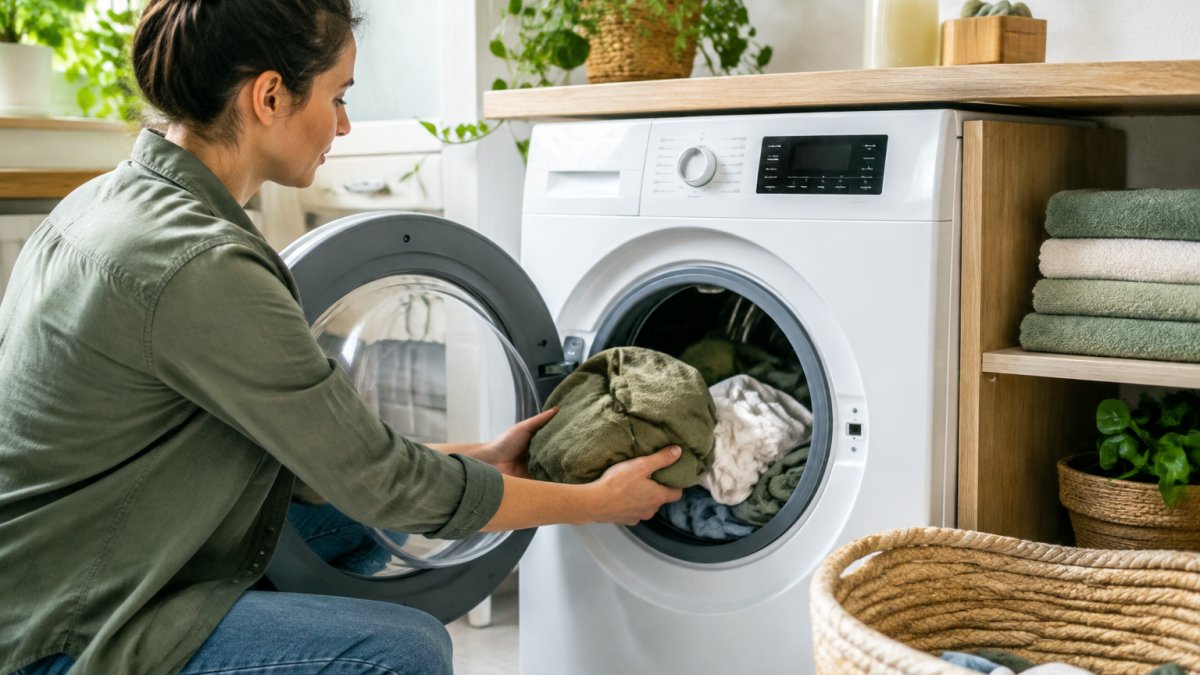
- Load the drum to about three-quarters full and let the clothes move freely.
- Wash in cold water unless a stain or the label calls for warm.
- Use HE detergent and dose it by load size, soil level and water hardness.
- Eco mode can clean lightly soiled clothes well but may not handle heavy stains.
- Clean the lint filter every dryer load and air-dry when you can.
Table of Contents
- What You Need Before You Start
- How to Choose High Efficiency Washer Settings
- Why Cold Water Laundry Benefits Your Clothes and Your Bill
- Picking a Sustainable Laundry Detergent and Dosing It Right
- Drying, Maintenance and Microfiber Habits That Cut Waste
- Your Next Step: Set Up a Greener Laundry Routine This Week
- Frequently Asked Questions
Fast Appliances LLC sells washers and dryers, and this guide covers how to get eco friendly laundry right. Most people assume a washer runs the same way no matter what they press. Modern machines don't work that way. Newer models use sensors, load detection and water-level control, so the settings you choose now have a much bigger effect on water and energy use.
Older top-loaders often filled to a fixed level and ran long cycles whatever you put in. Many newer front-loaders and high-efficiency top-loaders adjust water and time to the load. That means a small load on the wrong setting can waste more than it saves.
Here is what to check before you change a single setting.
What You Need Before You Start
Before you wash, gather a few basics. You will get better results with less water and energy.
- Your machine's manual or the label inside the door. It lists the eco or energy-saving cycle and the right detergent type.
- A high-efficiency (HE) detergent. Standard detergent can foam too much in HE machines.
- A way to check load size. A full drum, with clothes loose and not packed, is the target.
- A clean lint filter and gasket. Dirty parts make even a good cycle work harder.
Check the machine's manual before you assume an eco mode uses less water. Some eco cycles run longer, so they save water but use more time and sometimes more energy. Knowing which one your machine has is the first step.
If you are shopping for a new washer, our ENERGY STAR clothes washer criteria page is a good place to check efficiency ratings.
[page:1]
How to Choose High Efficiency Washer Settings
Start with the right load size and cycle, then adjust the temperature. Most people never touch the rest of the panel, and that is usually fine, but on a modern machine the panel is doing more than it looks like it is.
Use these basic steps every time:
- Sort clothes by color and fabric weight.
- Load the drum to about three-quarters full.
- Add the correct amount of HE detergent.
- Pick the cycle that matches the fabric and soil level.
- Choose cold water unless the label or a stain needs warm.

How Modern Machines Actually Sense a Load
High-efficiency washers do not fill to a fixed level the way older top-loaders did. A front-loader typically uses a pressure sensor or flow meter to add only the water the clothes will absorb, then tumbles them through a shallow pool instead of submerging them.
That sensing is why the load-size setting matters less on some machines than on others. If your washer has automatic load sensing, you can leave the water-level selector on auto and let the machine decide. If it has a manual water-level knob, match the level to the drum: a few towels on a large setting wastes water the machine will not recover. Either way, the sensor can only work with what you give it.
Front-Load vs. High-Efficiency Top-Load vs. Smart: What to Change
- Front-load washers clean by tumbling clothes through a small amount of water, so they use less water per load but rely on detergent that rinses freely. Use HE detergent, leave the door ajar between loads so the gasket dries, and run a cleaning cycle monthly, the sealed drum holds moisture that top-loaders drain away.
- High-efficiency top-loaders use a low-profile impeller or a short agitator and a load-sensing fill. They are gentler on water use than older agitator machines but need clothes to move freely; overloading is the most common reason a load comes out still dirty.
- Smart washers with app control and automatic dispensing can dose detergent for you, but the dispenser still needs to be filled with the right product and calibrated for your water. Check the app's load-size and soil-level defaults against what you actually put in; a smart machine set to "normal" for a lightly worn load will still run a longer cycle than needed.
Eco Mode and Cleaning Performance Trade-offs
Eco mode is useful, but it is not magic. It usually runs cooler and slower to save energy, and on many machines it also stretches the cycle time so the same mechanical action does the cleaning with less heat. That works well for lightly soiled clothes.
The trade-off is simple: if clothes come out still smelly or stained, you have pushed the eco setting too far. Switch to a normal cycle for that load and keep eco mode for everyday wear.
Rewashing a load that did not clean the first time can use more water and energy than the original cycle, so match the cycle to the soil level.
Why Cold Water Laundry Benefits Your Clothes and Your Bill
Cold water is the easiest eco friendly change you can make. Heating water is one of the biggest energy costs of washing, so cold cycles cut that use right away.
Cold water also protects clothes. Hot water can shrink cotton, fade dark colors and wear out elastic faster. Many modern detergents are made to clean well in cold water, so you usually do not lose cleaning power.
Cold water does not work for every stain. Blood, sweat and some food stains can set in cold water, so pretreat them and use the right setting.
For more background on energy use in the home, the U.S. Department of Energy home water heating guide explains where the energy in a load of laundry comes from.
Picking a Sustainable Laundry Detergent and Dosing It Right
A good eco detergent is one you use in the right amount. Using too much is one of the most common mistakes, and it causes foam, leftover residue and extra rinse cycles, which means more water, more energy and more product going down the drain than the load needed.
Look for these details on the label:
- Labeled for HE machines if your washer is high-efficiency.
- Works in cold water if you plan to wash cold most of the time.
- Concentrated formula, which uses less packaging and less product per load.
Dose for Load Size, Soil Level and Water Hardness
Detergent dose is not one number. The cap line is a starting point, and three things move it up or down:
- Load size. A small load needs less than a full drum. If your machine has automatic dispensing, set it to the load size you actually washed, not the drum's maximum.
- Soil level. Heavily soiled work clothes or gym gear need the full dose; lightly worn shirts can take half. Pretreating a stain with a dab of detergent lets you keep the rest of the load at a lower dose.
- Water hardness. Hard water, high in dissolved calcium and magnesium, ties up detergent so less of it reaches the soil. Soft water does the opposite and can leave a slick residue if you use a full dose. Your local water utility publishes a hardness report, usually in grains per gallon or milligrams per liter as calcium carbonate; ask for it or check the utility's water quality page. As a rule of thumb, very hard water calls for the full cap and soft water for less, but the label on your detergent is the authority for your product.
Measure rather than pour freely. A simple scoop or cap line is enough, and a kitchen scale is more consistent than eyeballing a cap.
Residue, Rewashing and What Goes Down the Drain
Overdosing shows up in ways people do not always connect to detergent. Clothes feel stiff or scratchy, towels lose absorbency, dark fabrics pick up a white haze, and the washer's door gasket or dispenser drawer collects a sticky film.
Residue also feeds odor. Detergent and fabric softener left in a front-loader's gasket or dispenser become a food source for the biofilm that causes musty smells, which then drives people to rewash loads or buy stronger products.
The article points to a few details that determine how much detergent a load actually needs.
| Factor | Effect on dose | What to do |
|---|---|---|
| Load size | Small loads need less | Set dispenser to the load actually washed |
| Soil level | Heavy soil needs full dose | Use half dose for lightly worn items |
| Water hardness | Hard water ties up detergent | Use full cap for hard, less for soft water |
| Overdosing | Causes foam and residue | Use a smaller dose, not an extra rinse |
Drying, Maintenance and Microfiber Habits That Cut Waste
The dryer often uses more energy than the washer, so air-drying when you can makes a real difference. Line-drying or a drying rack works well for many everyday items.
When you do use the dryer, keep it efficient:
- Clean the lint filter every load.
- Dry full loads of similar fabrics together.
- Use a moisture-sensor setting if your dryer has one.
Microfiber clothing sheds tiny plastic fibers in the wash. A microfiber filter or a laundry bag can catch many of them. Wash synthetic items on a gentle cycle and avoid overloading the drum, since friction releases more fibers.
Clean the machine too. Wipe the door gasket and run an occasional empty cleaning cycle to clear buildup. A clean machine rinses better and works harder for less.
Your Next Step: Set Up a Greener Laundry Routine This Week
Start with one change. Wash full loads in cold water on the right setting, and dose your detergent by the cap. Then add one more habit each week, such as air-drying or cleaning the lint filter.
If your current washer is aging or no longer cleans well, a newer high-efficiency model can cut water and energy use. Our guide to signs your washing machine needs replacement explains when repairs stop making sense. Fast Appliances LLC offers a selection of washers and dryers online with home delivery. Browse our washer and dryer selection to find a machine that fits your home and your eco goals.
Frequently Asked Questions
What is the most eco-friendly way to wash clothes in a modern machine?
Run full loads on a cold-water cycle with a high-efficiency detergent measured for your water hardness. Choose the shortest cycle that suits the soil level, skip pre-wash unless items are heavily soiled, and use the machine's eco or load-sensing setting where available. Air-drying or using the dryer's moisture sensor setting further reduces energy use. Check your model's manual for the recommended dose, since many modern washers need far less detergent than older machines did.
Do modern high-efficiency washers use less water and energy?
Yes. High-efficiency washers are designed to clean with less water, and most use a fraction of the water of older top-loading machines. Many models also heat less water because they rely on cold or warm settings and efficient spin speeds that remove more moisture before drying. Savings depend on your load size, cycle and temperature choices, so the biggest gains come from running full loads on cold. Look for ENERGY STAR certification when shopping for a new machine.
Are eco-friendly laundry detergents safe for high-efficiency washers?
Most are, provided they are labeled high-efficiency or HE. Standard detergents can over-sud in HE machines, leaving residue and reducing rinse performance. Look for plant-based or low-foam formulas that are concentrated, and always measure the dose rather than pouring by habit. Hard water can reduce cleaning power, so pairing a concentrated detergent with a water softener or the correct dose improves results.
How can I reduce my carbon footprint while doing laundry?
Wash in cold water, run only full loads, and choose an efficient machine when it is time to replace yours. Dry less by line-drying or using a dryer with a moisture sensor, and clean the lint filter after every load so the dryer runs efficiently. Using a concentrated, low-impact detergent and avoiding unnecessary pre-wash cycles also lowers the energy and water your laundry uses over time.