 listicle
Signs Your Washing Machine Needs Replacement
Table of Contents
- Signs Your Washing Machine Needs Replacement
- Average Lifespan of a Washing Machine
- Repair vs. Replace Washing Machine Cost
- Best Front Load Washer Dryer Sets for Your Home
- Energy Efficiency and Smart Features to Consider
- Frequently Asked Questions
Last Updated: October 3, 2026
Signs Your Washing Machine Needs Replacement
Your washing machine is one of the hardest-working appliances in your home. When it starts to fail, the signs are usually unmistakable. We help homeowners recognize when repair costs outweigh replacement value, so you can make the right financial decision before a breakdown leaves you without clean clothes.
A washing machine nearing the end of its lifespan shows multiple warning signs simultaneously. Understanding these indicators helps you avoid emergency replacements and plan your budget accordingly.
Excessive Vibration and Walking
Excessive vibration during the spin cycle is one of the clearest signals that your washing machine needs replacement. A machine that shakes violently or actually moves across the floor has a serious mechanical problem, usually in the drum bearing or suspension system.
Excessive vibration indicates the drum bearing or suspension system has degraded. If the machine shakes hard enough to "walk" across the floor, the internal support system has failed.
When vibration becomes severe enough to require stabilization, replacement is usually more practical than repair, especially if multiple parts are failing.
Unusual Noises: Banging, Grinding, and Squealing
Strange noises indicate mechanical wear that suggests your washing machine needs replacement rather than repair.
Grinding indicates a failed drum bearing, banging suggests loose components or a worn belt, and squealing signals a worn pulley or motor bearing. These sounds worsen with each cycle.
These noises indicate the machine has passed simple maintenance and reached the end of its functional life.
Noise during the spin cycle indicates drum bearing failure; noise during the wash cycle suggests agitator or drive mechanism wear. Either way, these are expensive repairs on aging machines.
Water Leaks and Puddles
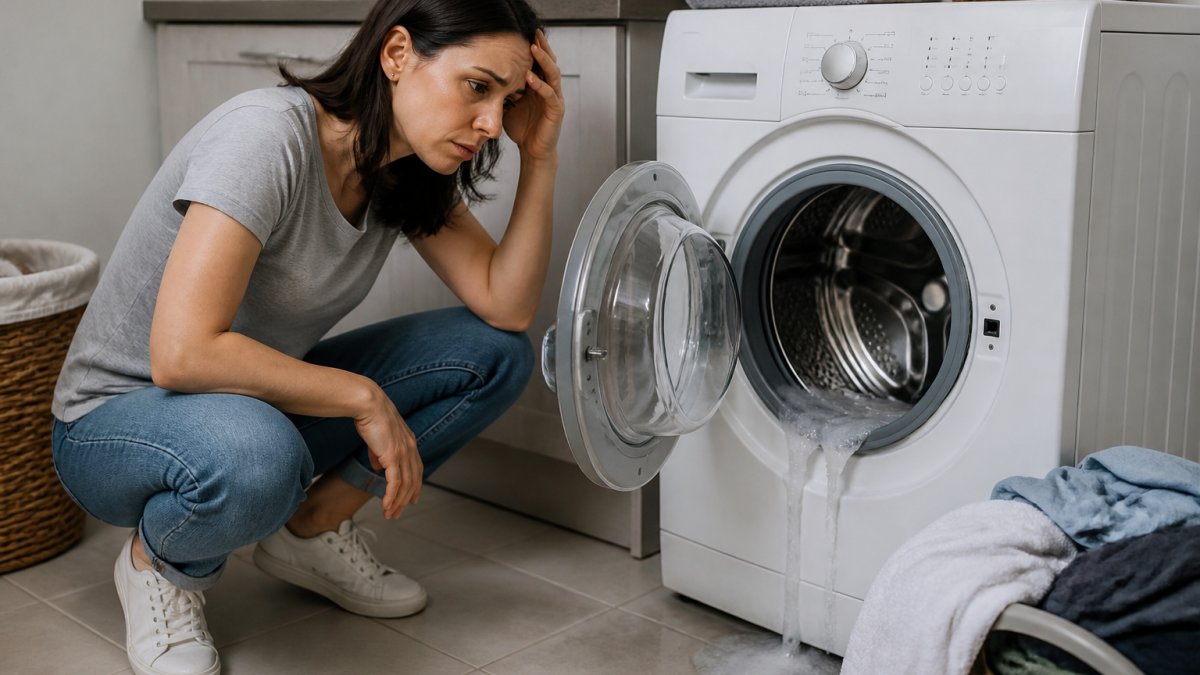
Water pooling around your machine indicates deteriorated seals, hoses, or drum and can cause structural water damage.
On an aging machine, the cost of fixing a leak combined with other wear issues typically makes replacement the smarter choice.
Internal leaks indicate a cracked drum or failed seal and are expensive to repair. On aging machines showing other wear signs, this typically signals replacement is more cost-effective.
Drum Not Spinning or Agitating
A non-spinning drum or stuck agitator indicates motor failure, a broken belt, or a failed control board, fundamental failures that prevent cleaning.
Repair costs for motor or control board replacement on older machines often approach the cost of a new one, making replacement the logical choice.
A stuck agitator prevents proper cleaning and indicates mechanical failure in the shaft or drive mechanism.
If the drum won't turn when powered on, the drive system has failed. If it spins freely but not during a cycle, the motor or belt is failing.
Water Not Filling or Draining Properly
Slow or no water filling indicates a failing inlet valve. Water that won't drain indicates a clogged or broken drain pump or hose.
On older machines showing multiple problems, addressing a single filling issue means you're treating symptoms of broader wear.
Drain problems are more serious. If water sits in the drum after a cycle, clothes stay wet and the machine becomes a breeding ground for mold and odors. A clogged drain hose can sometimes be cleared, but if the drain pump has failed, repair costs escalate quickly. On a machine past its prime, this is often the final straw that pushes owners toward replacement.
Average Lifespan of a Washing Machine
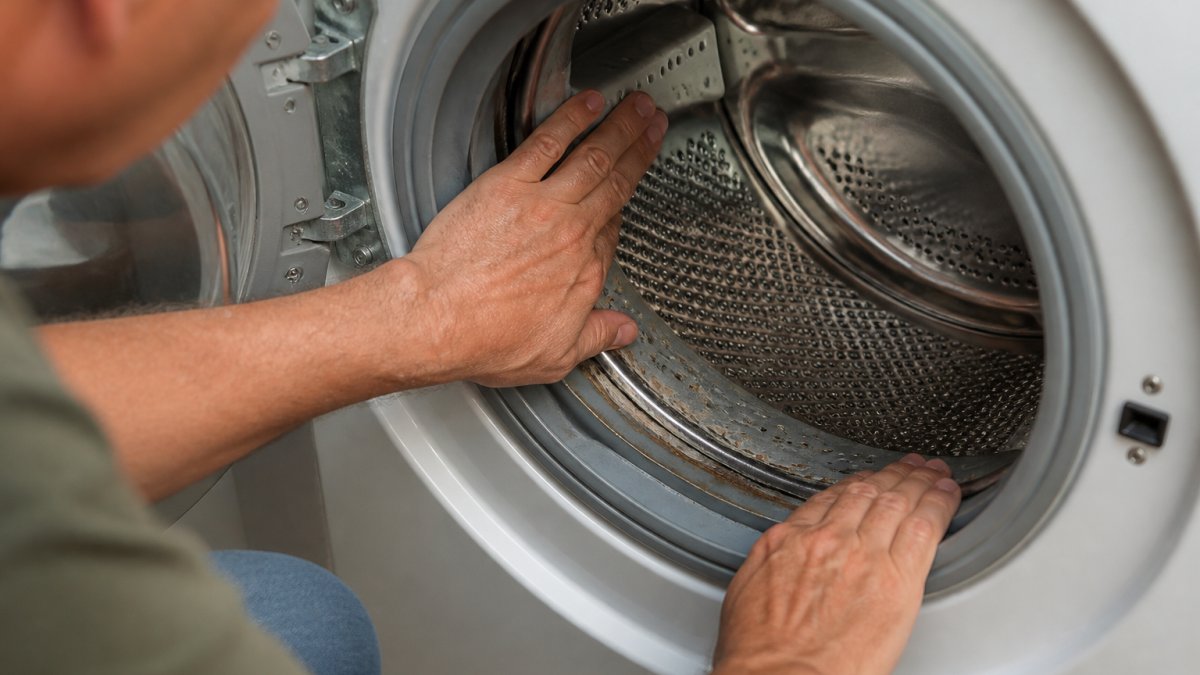
Most washing machines are designed to last between 8 and 12 years with regular use and maintenance. The exact lifespan depends on the machine's quality, how often you use it, and how well you maintain it. A machine that runs multiple loads daily will wear out faster than one used a few times per week.
As your washing machine approaches the 10-year mark, expect to see the first signs of age. Repairs become more frequent, parts become harder to find, and the cost of fixing problems increases. By year 12 or 13, most machines are on borrowed time.
The age of the appliance matters significantly when deciding between repair and replacement. A machine that's 3 years old and needs a repair is worth fixing. A machine that's 11 years old and needs the same repair is probably worth replacing. Replacement models offer better efficiency and reliability than aging machines, making the upgrade worthwhile.
Keep track of your machine's purchase date. If you can't remember when you bought it, check your home's purchase documents or appliance registration paperwork. Knowing the age helps you make informed decisions about whether to invest in repairs or move toward replacement.
Repair vs. Replace Washing Machine Cost
The decision between repairing and replacing your washing machine comes down to economics. When repair costs start approaching the price of a new machine, replacement becomes the smarter choice. This is especially true if your machine is already showing multiple signs of wear.
When Repair Costs Exceed Replacement Value
A good rule of thumb is the "50% rule", if the cost of repair exceeds 50% of the price of a new machine, replacement is usually the better investment. However, the age of your machine matters more than this calculation alone suggests.
If your machine is 8 years old or older and needs a major repair, replacement makes sense even if the repair costs less than half the price of a new one. You're likely to face additional repairs within the next year or two. We offer a wide variety of replacement options at different price points, so you can find a machine that fits your budget without sacrificing quality.
Consider the cumulative cost of repairs. If you've already spent money on multiple repairs in the past year, the next repair might be the one that tips the balance toward replacement. Keep records of all repairs and their costs. When you add them up, you'll often find that replacement would have been cheaper.
DIY Troubleshooting vs. Professional Repair
Before you call a repair technician, try some basic troubleshooting. Many common problems can be diagnosed without professional help, and some can be fixed with simple steps.
Start with the simplest checks. Is the machine plugged in? Is the water supply turned on? Are the inlet hoses kinked or clogged? Is the drain hose positioned correctly? These basic issues cause more service calls than actual mechanical failures.
For water-filling problems, check the inlet valve screens. Turn off the water supply, disconnect the inlet hoses, and look for debris or sediment blocking the screens. Clean them and reconnect. This takes 10 minutes and costs nothing.
For drain problems, check the drain hose for clogs. A clogged drain hose is the most common cause of drainage issues. Remove the hose and run water through it to clear any blockages.
For noise problems, check the drum for foreign objects. Coins, buttons, or small items can get trapped between the drum and the tub, causing grinding or banging sounds. Remove the pump filter access panel and check for debris. This varies by machine model, so consult your manual.
If basic troubleshooting doesn't solve the problem, professional repair is your next step. A technician can diagnose the exact issue and give you an estimate.
Best Front Load Washer Dryer Sets for Your Home
When you've decided that replacement is the right choice, Fast Appliances LLC offers a comprehensive selection of front load washer and dryer sets designed for different household needs and budgets. Front load machines are more energy-efficient than top loaders and deliver superior cleaning performance, making them the preferred choice for most modern homes.
Our selection includes machines with varying capacities, cycle options, and smart features. Whether you need a basic, reliable set or advanced models with Wi-Fi connectivity and specialized cycles, we have options that match your requirements. We make it simple to compare features and find the right fit for your laundry room space and budget.
The advantage of purchasing a matching washer and dryer set is consistency in performance and aesthetics. Sets are designed to work together optimally, and you get the convenience of matching finishes and control layouts. We deliver these sets directly to your home, and our team can help you understand capacity, features, and energy efficiency ratings to make the best choice for your situation.
Energy Efficiency and Smart Features to Consider
Modern washing machines are dramatically more energy-efficient than machines from even 5 years ago (Clothes Washers). If your current machine is 10 or 12 years old, upgrading to a new model will reduce your water and energy consumption significantly, lowering your utility bills over time.
Energy efficiency matters because it directly impacts your operating costs. A newer machine uses less water per load, heats water more efficiently, and spins clothes more effectively to reduce drying time. Over the lifespan of the machine, these savings add up.
Smart features in modern machines include Wi-Fi connectivity that lets you start or monitor cycles from your phone, automatic detergent dispensing that measures the right amount for each load, and specialized cycles for different fabric types. These features improve convenience and cleaning performance, though they're not essential for basic laundry function.
When evaluating a new machine, check the Energy Guide label to understand water usage, energy consumption, and estimated annual operating costs. Compare machines in the same capacity range to get accurate comparisons.
The decision to upgrade to a machine with smart features depends on your lifestyle. If you want the convenience of remote monitoring or automatic detergent dispensing, these features are available. If you prefer simpler operation, plenty of efficient machines without smart features are available as well.
When your washing machine shows multiple signs of failure, replacement is usually the right choice. The combination of age, repair history, and current problems determines whether you're looking at a temporary fix or a permanent solution.
Frequently Asked Questions
What is the life expectancy of a new washing machine?
Most modern washing machines last between 8 and 12 years with proper maintenance. Front-load models often reach the higher end of this range, while top-load machines may wear out sooner due to agitator stress. The actual lifespan depends on usage frequency, water quality, and how well you maintain the machine. Regular cleaning of the drum, drain pump, and door seal can extend your washing machine's life significantly.
Is it cost-effective to repair a 7-year-old washing machine?
At 7 years old, your washing machine is in the later stage of its typical lifespan. If repair costs exceed 50% of a new machine's price, replacement is usually more economical. Consider the machine's repair history too: if it has needed multiple repairs in the past 12 months, replacement often makes better financial sense. Factor in energy efficiency gains from newer models, which can save you money on utility bills over time.
What are the most common warning signs of a failing washing machine?
The most frequent indicators include excessive vibration, unusual noises like grinding or banging, water leaks, and failure of the drum to spin or agitate properly. You may also notice water not filling the tub or draining slowly, clothes coming out stained or damp, or error codes appearing on the control board. These symptoms often point to worn bearings, a failing drive belt, a faulty water inlet valve, or a damaged door seal or gasket.
How do I know if my washing machine is worth fixing or replacing?
Use the 50% rule: if repair costs exceed half the price of a comparable new machine, replace it. Also consider the appliance's age and repair frequency. If your machine is over 8 years old and has had multiple repairs, replacement is typically smarter. Evaluate whether you need upgraded features like energy efficiency or smart capabilities. We offer a wide selection of replacement options.