 ultimate-guide
How to Find Reliable Appliance Brands: A 2026 Guide
Table of Contents
- What Defines a Reliable Appliance Brand
- Average Lifespan of Home Appliances by Type
- How to Read Appliance Consumer Reports and Ratings
- Best Appliance Brands for Longevity
- Key Factors That Predict Appliance Reliability
- Common Failure Points to Watch For
- The Right to Repair Movement and Used vs. Refurbished Options
- Conclusion
Last Updated: August 26, 2026
What Defines a Reliable Appliance Brand
A reliable appliance brand consistently delivers products that perform their intended function without failure over an extended period, backed by strong customer service and accessible replacement parts. Reliability isn't just about a single unit lasting longer, it's about the brand's entire ecosystem: design philosophy, manufacturing quality, warranty responsiveness, and the availability of technicians when something goes wrong.
The brands that stand out in this space share common traits. They prioritize mechanical simplicity over unnecessary smart features that add failure points. They maintain strong service networks across regions. They publish transparent data about mean time between failures and warranty claim frequency. They stand behind their products with genuine warranties that cover actual problems, not just theoretical defects.
When you're evaluating how to find reliable appliance brands, you're really assessing three layers: the engineering approach (how the product is designed), the support infrastructure (what happens when it breaks), and the track record (what consumers and field technicians actually report). Fast Appliances LLC offers a comprehensive online selection of essential home appliances, providing convenient access to everything from washers, dryers, and refrigerators to stoves, microwaves, dishwashers, cooktops, and ovens, making the selection process straightforward for homeowners who need appliances they can trust.
Average Lifespan of Home Appliances by Type
Different appliance categories have vastly different expected lifespans, and understanding these baselines helps you identify when a brand is genuinely outperforming expectations versus simply meeting industry standards.
Refrigeration Units
Refrigerators typically operate for 10-15 years before major component failure becomes likely (energy.gov). This extended lifespan reflects the relatively simple mechanical design of traditional cooling systems. The compressor, condenser coils, and evaporator fan are proven technologies with decades of refinement.
Modern refrigerators with smart features, Wi-Fi connectivity, and touch-screen displays often fail sooner, sometimes within 7-10 years, because these electronics introduce additional failure points. The control board sensitivity increases, diagnostic codes become harder to interpret without proprietary software, and replacement parts for the smart components cost significantly more.
Freezer units and ice makers are common failure points. If a refrigerator survives 12 years without ice maker problems, that's a strong reliability signal. Many models fail at the 6-8 year mark specifically because the ice maker's water inlet valve or the defrost cycle sensor fails, making the entire unit less useful even if the core cooling function still works.
Laundry Equipment
Washing machines typically last 8-12 years, with front-loaders generally outlasting top-loaders by 2-3 years due to less mechanical stress on the drum and motor (consumerreports.org). Top-load washers with agitators are mechanically simpler but endure more wear because the agitator creates friction with each cycle.
Dryers are more durable than washers, many last 12-15 years, because the heating element and airflow mechanism are straightforward. The thermal fuse, which protects against overheating, is the most common failure point, and it's inexpensive to replace if technicians can access it easily.
High-end laundry pairs with sensors that detect fabric type, moisture levels, and load size often fail earlier than their mechanical counterparts. The moisture sensor itself frequently fails after 6-8 years, and replacement costs can exceed the value of the appliance. This is where mechanical simplicity becomes a reliability advantage.
Cooking Appliances
Gas ranges typically last 15-20 years because the burner assembly and oven heating elements are mechanically straightforward (energy.gov). Electric coil ranges are similarly durable. Convection ovens and self-cleaning models introduce complexity that can shorten lifespan to 12-15 years.
Dishwashers have a shorter expected life: 7-10 years on average. The spray arm, door latch, and pump assembly experience constant mechanical stress. Models with soil sensors and smart cycles tend to fail sooner than basic mechanical models.
Microwaves are surprisingly durable, many last 10-15 years, but when they fail, repair is often uneconomical because the magnetron tube (which generates heat) is expensive to replace relative to the appliance's cost.
How to Read Appliance Consumer Reports and Ratings
Understanding how to interpret reliability data separates informed buyers from those making guesses based on brand reputation alone.
Understanding Warranty Coverage and Claims Data
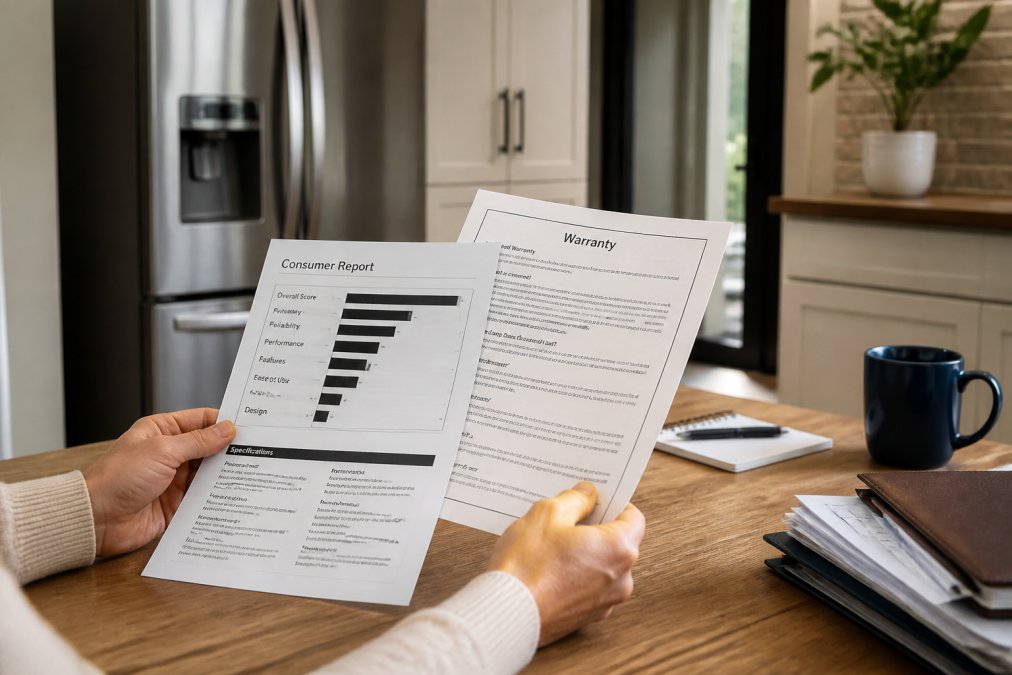
Warranty length is a signal, but only if you understand what the warranty actually covers. Most appliances come with a standard 1-year parts and labor warranty. Extended warranties to 3-5 years are becoming common, but they often exclude specific components like motors, compressors, and sealed systems.
What matters more than warranty length is warranty claim frequency data. If a brand offers a 5-year warranty but claims are denied 20% of the time due to "normal wear and tear" clauses, that warranty is less valuable than a 1-year warranty that covers almost everything. Some manufacturers publish this data; others don't.
Look for brands that clearly define what's covered. "All parts and labor" is better than "parts only." "No exclusions except misuse" is better than a list of 15 excluded components. Field performance data from authorized service centers reveals which brands actually honor their warranties without fighting claims.
Interpreting Mean Time Between Failures and Field Performance
Mean time between failures (MTBF) is a metric that indicates the average operating time before a failure occurs. A refrigerator with an MTBF of 50,000 hours means that, on average, the unit will run for about 5.7 years before a significant failure. This is more useful than marketing claims about "durability."
Field performance data comes from repair technician feedback and warranty claim analysis. When technicians consistently report that a specific component fails early, that's real data. When multiple independent repair networks report the same failure pattern, that's a reliability red flag.
Consumer satisfaction indices from independent testing organizations provide another layer. These measure not just whether appliances work, but whether they continue working as expected over time. A brand with high initial satisfaction scores but declining scores after 5 years has a reliability problem that marketing won't fix.
Best Appliance Brands for Longevity
Finding reliable appliance brands requires looking beyond marketing claims to actual design philosophy and support infrastructure.
Brands Known for Mechanical Simplicity
Brands that prioritize mechanical simplicity consistently outlast competitors. They use proven component designs, minimize electronic controls, and make replacement parts accessible. These brands typically cost slightly more upfront because they invest in better materials and engineering, not in unnecessary features.
The most reliable brands avoid the trap of adding smart technology to every function. A refrigerator doesn't need Wi-Fi to keep food cold. A washing machine doesn't need an app to know when it's done. Brands that resist this pressure tend to have longer product lifespans because they're not introducing failure points that don't improve core functionality.
When evaluating brands, check whether they publish technical specifications for key components: compressor type and manufacturer, motor horsepower, bearing quality, and material grades for seals and gaskets. Brands that are transparent about these details are usually confident in their engineering. Brands that bury this information or focus instead on aesthetics and features are often prioritizing short-term appeal over long-term reliability.
Brands with Strong Service Networks
A reliable appliance brand is only as good as the support you can access when something breaks. Brands with authorized service centers in most regions, reasonable appointment availability, and technicians who carry common replacement parts in their vans are fundamentally more reliable from a practical standpoint.
Regional service variability is real. Some brands have excellent coverage in urban areas but sparse networks in rural regions. Before committing to a brand, verify that authorized service is available where you live. If you're in an area with limited technician availability, choose brands that make parts available to independent repair shops rather than locking repairs behind proprietary networks.
Fast Appliances LLC offers a wide variety of home appliances, including washers, dryers, refrigerators, stoves, microwaves, dishwashers, cooktops, and ovens, providing convenient access to essential household appliances.
Key Factors That Predict Appliance Reliability
Several specific factors consistently predict whether an appliance will remain functional and useful over time.
Replacement Parts Availability
An appliance is only as reliable as its weakest component, and the weakest components eventually fail. The question is whether you can replace them affordably and quickly. Brands that maintain strong parts inventories, publish parts lists online, and allow independent technicians to order directly have an enormous reliability advantage.
Some manufacturers deliberately make parts difficult to obtain to force customers toward replacement rather than repair. This is a reliability red flag. If a brand makes it difficult to replace a $50 part, they're betting you'll buy a new appliance instead. This strategy maximizes their revenue but minimizes actual appliance longevity.
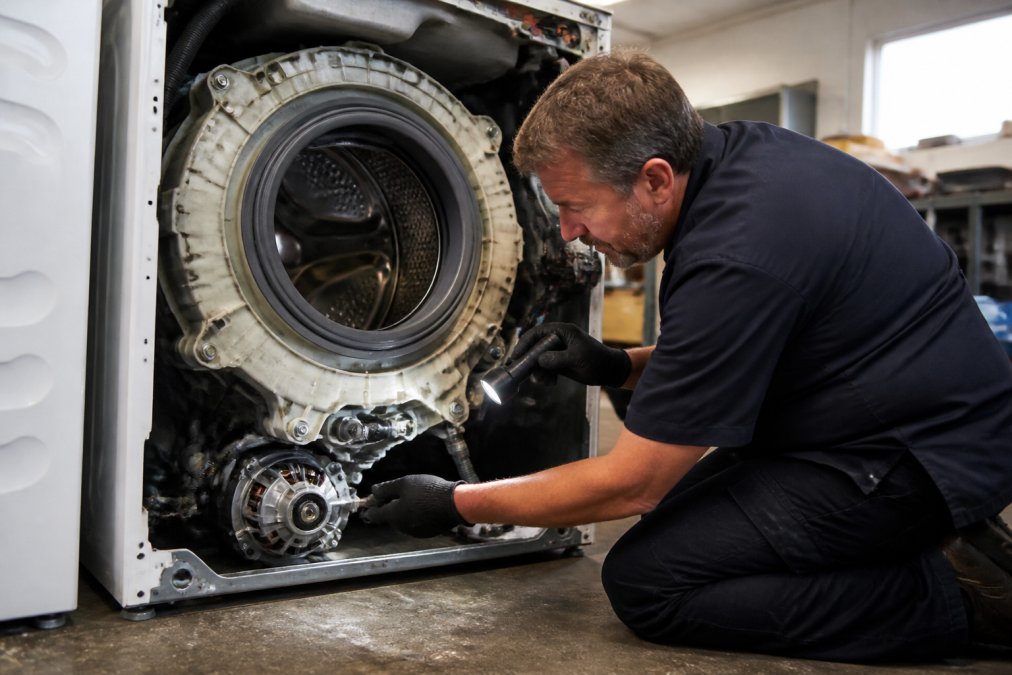
Smart Technology vs. Mechanical Durability
Smart features, Wi-Fi connectivity, touchscreen controls, app-based diagnostics, add complexity that reduces mean time between failures. A smart refrigerator has 3-5 circuit boards managing temperature, humidity, ice making, and connectivity. A mechanical refrigerator has one thermostat.
The control board in a smart appliance is often the first component to fail, typically within 5-8 years. When it fails, the entire appliance becomes unreliable or unusable, even if the compressor and cooling system still function perfectly. Replacement control boards cost $300-800, which approaches the cost of a new budget appliance.
Mechanical durability and smart features are often inversely correlated. Brands that focus on simplicity tend to have longer lifespans. Brands that compete on features tend to have shorter lifespans. This is a genuine trade-off, not a marketing claim.
Installation Quality and Regional Service Variability
How an appliance is installed significantly affects its lifespan. A refrigerator installed on an uneven floor will have uneven cooling and accelerated compressor wear. A washing machine installed without proper leveling will vibrate excessively, damaging seals and bearings. A dishwasher installed without proper water pressure regulation will have spray arm failure.
Regional service variability affects this directly. In regions with experienced installation networks, appliances last longer because they're installed correctly. In regions where installation is rushed or handled by inexperienced crews, the same appliance model fails sooner due to improper setup.
This is often invisible to consumers. You order an appliance, it arrives, someone installs it, and you assume it's working correctly. Installation errors don't show up until 2-3 years later when the appliance fails prematurely. Brands with strong regional support networks tend to have better installation quality because their authorized installers are trained and accountable.
Common Failure Points to Watch For
Knowing where appliances typically fail helps you evaluate whether a specific brand has engineered around these problems.
Compressors in refrigerators and freezers fail when they're forced to work too hard, usually from restricted airflow around the condenser coils or from overheating in kitchens without adequate ventilation. Brands that design larger condenser surfaces and better airflow paths have lower failure rates.
Water inlet valves in washing machines and dishwashers fail from mineral buildup and pressure fluctuations. Brands that use larger valve openings and include sediment filters have lower failure rates. This is a mechanical design choice that costs almost nothing but dramatically improves reliability.
Door seals in front-load washers fail from mold and mildew, which corrode the seal material. Brands that use better seal materials and design the door to drain completely have longer seal lifespans. This is a $15 component that can cost $200-300 to replace.
Thermal fuses in dryers fail from restricted lint flow, which causes overheating. Brands that make lint traps easy to clean and design ducts to resist lint accumulation have lower failure rates. This is entirely preventable with good design.
The Right to Repair Movement and Used vs. Refurbished Options
The Right to Repair movement is gaining momentum, forcing manufacturers to make parts available and allow independent repair. This directly impacts appliance reliability because it extends the practical lifespan of appliances that can be economically repaired.
Brands that support Right to Repair principles, publishing service manuals, making parts available to independent technicians, and not using software locks to prevent repairs, are becoming more reliable options. As this movement gains legal support, brands that fought repair access may face pressure to change.
Used and refurbished appliances present a reliability consideration. A used appliance from a reliable brand may have significant remaining lifespan if it's been well-maintained. Refurbished appliances from reputable manufacturers often come with warranties and have been tested, making them more reliable than used units sold as-is.
The key distinction: refurbished appliances have been professionally restored and tested. Used appliances have not. Both can be reliable, but refurbished carries less risk because you have recourse if it fails within the warranty period.
Fast Appliances LLC carries new appliances with full manufacturer warranties, which eliminates the uncertainty of buying used or refurbished units. For homeowners who need reliability guarantees, new appliances from trusted brands provide the most predictable outcome.
Finding reliable appliance brands means moving beyond marketing claims to evaluate actual design philosophy, support infrastructure, and field performance. The brands that prioritize mechanical simplicity, maintain accessible service networks, and publish transparent warranty and failure data are the ones you can trust to deliver appliances that work reliably for years.
When you're ready to upgrade your kitchen or laundry room, Fast Appliances LLC makes the selection process straightforward. We offer a comprehensive online selection of essential home appliances, providing convenient access to everything from washers, dryers, and refrigerators to stoves, microwaves, dishwashers, cooktops, and ovens. Our wide variety and direct approach make it simple to find exactly what you need, delivering efficiency and convenience right to your door.
Frequently Asked Questions
Q: What appliance brand has the best reliability?
A: Reliability varies by appliance type and category. Brands known for mechanical simplicity and strong service networks tend to perform better over time. Check mean time between failures data, warranty claim frequency, and authorized service center availability in your region. Brands that minimize smart-feature complexity often show longer lifespans than those with advanced diagnostic codes and sensor-based technology.
Q: How do I check the repair history and reliability of an appliance brand?
A: Review consumer satisfaction indices, field performance data from independent testing organizations, and warranty claim frequency reports. Look for appliance longevity metrics specific to your model year. Check if the brand offers factory-certified technicians and authorized service centers near you. Read repair technician feedback on forums and review sites, technicians often identify which brands have recurring component failures and which have strong after-sales support.
Q: What is the average lifespan of home appliances?
A: Most refrigerators last 10-13 years, washing machines 8-12 years, dryers 10-13 years, and ovens 15-20 years. Dishwashers typically operate 7-10 years. These estimates depend heavily on build quality, maintenance, and whether the appliance uses mechanical design or complex smart features. Preventative maintenance can extend lifespan significantly, while poor installation standards or regional service variability may shorten it.
Q: Does a longer warranty indicate that an appliance will be more reliable?
A: Extended warranties can signal manufacturer confidence in build quality, but they don't guarantee reliability. Some brands offer long warranties because their appliances have higher failure rates and manufacturers expect to cover repairs. Compare warranty coverage terms alongside independent field performance data and repair cost estimates. A brand with strong mechanical simplicity and good technician feedback is often more reliable than one relying on warranty length alone.
This article was written using GrandRanker