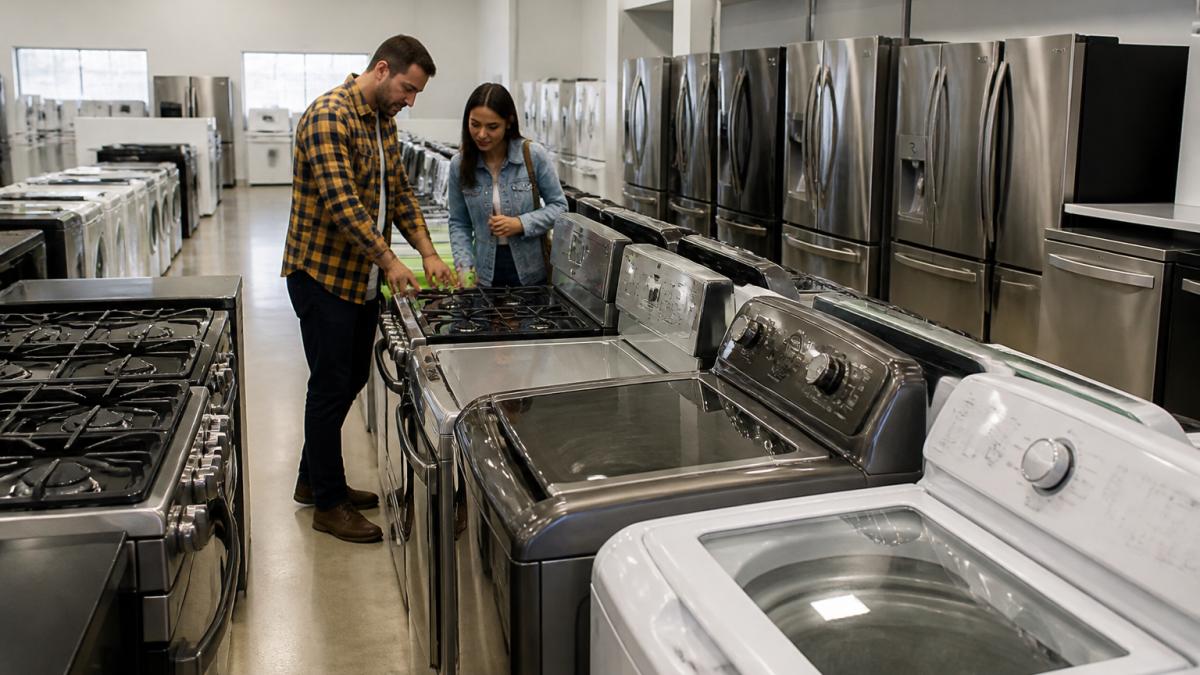
 ultimate-guide
Appliance Stores: A Buyer's Guide to Local Options
Table of Contents
- Why Choosing the Right Appliance Store Matters
- How to Measure for New Appliances Before You Buy
- What to Check Before Buying Appliances Online
- Appliance Delivery and Installation Services
- Appliance Warranty and Protection Plans
- Energy Efficiency and Rebates for New Appliances
- In-Stock Inventory and Scratch-and-Dent Options
- Frequently Asked Questions
Last Updated: October 2, 2026
Why Choosing the Right Appliance Store Matters
When your refrigerator dies on a Saturday or your washing machine stops mid-cycle, you need replacements fast. The appliance store you choose determines whether you get what you need in days or weeks, whether installation goes smoothly or turns into a headache, and whether you're protected if something goes wrong.
At Fast Appliances LLC, we understand that buying appliances online requires confidence. You're making a significant investment in products you can't touch or test before purchase. The difference between a good appliance store and a great one comes down to inventory availability, transparent policies, professional installation, and genuine warranty protection. This guide walks you through exactly what to evaluate before you commit.
How to Measure for New Appliances Before You Buy
Measure twice, order once. The most common mistake homeowners make is underestimating the space requirements for major appliances. A refrigerator that's an inch too wide won't fit your niche. A dishwasher that's too tall won't slide under your countertop.
Start with the exact dimensions of your space. For refrigerators, measure the width, depth, and height of the opening where it will sit. Include measurements of doorways and hallways the appliance must pass through during delivery. For washers and dryers, measure the width of your laundry room doorway, the space between walls, and the height of any overhead pipes or shelving. For ranges and cooktops, measure the width of your cooking space, the depth from the front of your cabinets to the back wall, and note the height of your backsplash.
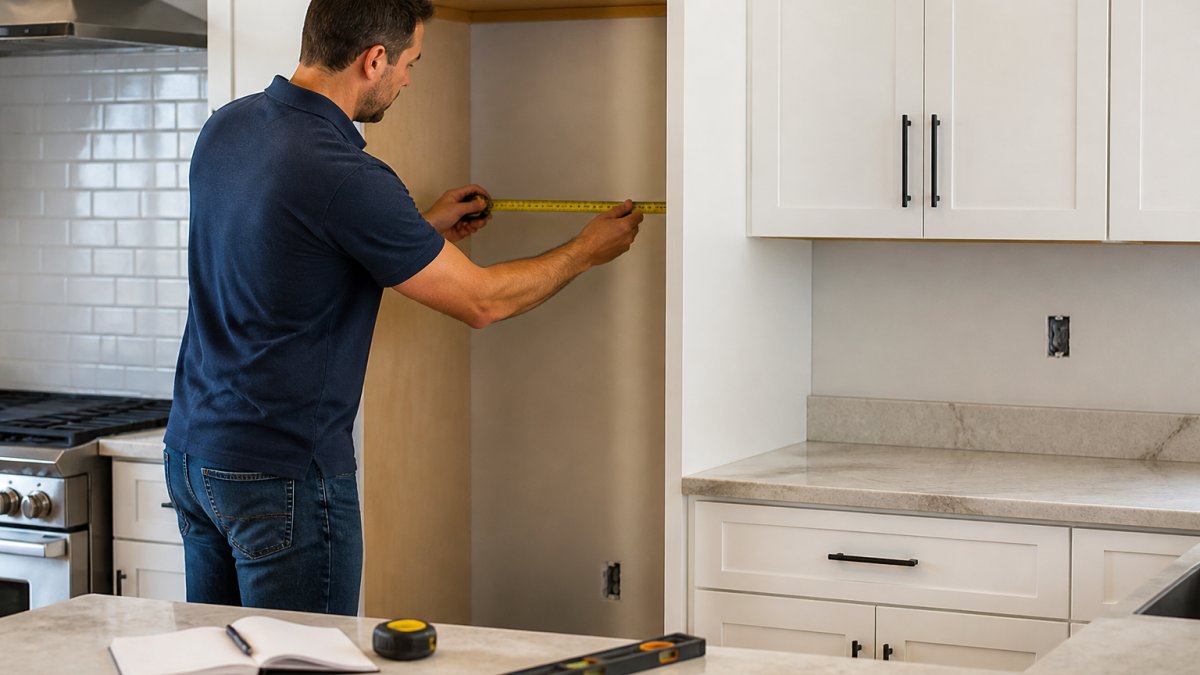
Write down every measurement and compare it against the product specifications on the appliance store's listing. Don't rely on memory or rough estimates. Most appliance stores publish detailed dimension sheets for each model, download them and verify clearances. If you're uncertain about fit, contact the appliance store directly before ordering.
What to Check Before Buying Appliances Online
Ordering appliances online carries real risk. You're committing to a major purchase without seeing the product in person. The appliance store you choose should make this process transparent and protective.
Verify Brand Authenticity and Product Condition
Not all appliance stores are equal when it comes to inventory sourcing. Some sell new, factory-sealed units. Others sell open-box items that were returned by previous customers. Still others carry refurbished or reconditioned appliances.
Before you buy from any appliance store, confirm whether the unit is new, open-box, refurbished, or used. New appliances come with manufacturer warranties. Open-box items typically carry limited warranties or none at all.
Check the product listing carefully. Legitimate appliance stores clearly label the condition of each unit. If the listing doesn't specify, ask before ordering.
Verify that the brand name matches what you expect. Counterfeit appliances exist in online marketplaces. Fast Appliances LLC carries authentic major brands with full manufacturer support.
Confirm Return Policies and Damage Protection
Your protection against defective or damaged appliances depends entirely on the appliance store's return policy. Read it completely before checkout. Many stores offer limited return windows, 14 days, 30 days, or sometimes longer. Some charge restocking fees.
Damage during delivery is common. Appliances travel on trucks, get unloaded by delivery crews, and move through your home. Even careful handling can result in dents, scratches, or internal damage.
Reputable appliance stores include damage protection as part of their standard service. They inspect units upon delivery and replace damaged items at no cost.
Before ordering, confirm the appliance store's damage claim process. How long do you have to report damage? What documentation do they require? Will they replace the unit or offer a refund?
Appliance Delivery and Installation Services
The appliance store you choose should handle delivery and installation professionally. This isn't a commodity service, poor delivery can damage your home, and improper installation can void manufacturer warranties.
Quality appliance stores offer white-glove delivery, which means the delivery crew brings the appliance into your home, positions it where you want it, removes packaging, and hauls away the old unit if needed.
Installation complexity varies by appliance type. Refrigerators simply need to be positioned and plugged in, though some models require water line connections for ice makers. Dishwashers need plumbing connections and electrical integration. Ranges and cooktops require proper gas or electrical hookups. Washers and dryers need water supply lines and drain connections.
An appliance store offering professional installation ensures these connections are made correctly. Improper installation can damage the appliance, create safety hazards, or void your warranty. Many manufacturer warranties explicitly require professional installation.
Ask your appliance store whether installation is included in the purchase price or charged separately. Many stores bundle installation with delivery for a single fee. Others charge per appliance.
Appliance Warranty and Protection Plans
Warranty coverage determines what happens when your appliance breaks. Manufacturer warranties typically cover parts and labor for one year from the purchase date. This covers defects in materials or workmanship.
Extended warranty plans, sometimes called protection plans, extend coverage beyond the manufacturer's warranty. They typically run 2-5 years and cover repairs or replacement for a broader range of failures.
The value of an extended warranty depends on the appliance and your risk tolerance. Refrigerators and dishwashers are generally reliable and rarely need repairs within 5-7 years. Washing machines and dryers fail more frequently, especially in households with heavy use. Ranges and cooktops fall somewhere in between.
Before purchasing an extended warranty, review what the manufacturer's warranty already covers. Some appliance stores bundle extended protection with the purchase at a reasonable cost. Others charge premium prices for plans that offer limited value.
Ask your appliance store whether the protection plan covers in-home service or requires you to arrange repairs independently.
Energy Efficiency and Rebates for New Appliances
Modern appliances use significantly less energy than older models. A refrigerator from 2006 uses roughly twice the electricity of a current Energy Star model.
Energy Star certification indicates that an appliance meets strict efficiency standards set by the U.S. Environmental Protection Agency. Energy Star appliances use 10-50% less energy than standard models, depending on the type.
Many utility companies and government programs offer rebates for purchasing Energy Star certified appliances. These rebates can range from $50 to several hundred dollars, depending on your location and the appliance type.
Before you buy, check whether your utility company or local government offers appliance rebates. Search the Database of State Incentives for Renewables and Efficiency to find programs in your area. Many appliance stores are familiar with local rebate programs and can help you understand what you qualify for.
The energy savings from an efficient appliance typically exceed the initial cost difference within 5-7 years. Over a 10-15 year lifespan, the savings become substantial. Choosing an Energy Star appliance isn't just environmentally responsible, it's financially smart.
In-Stock Inventory and Scratch-and-Dent Options
Appliance availability varies dramatically by season and model. Popular models sell quickly.
Some appliance stores maintain large warehouses with hundreds of units in stock. Others operate on a just-in-time model, ordering appliances as customers purchase them.
When you're shopping for appliances, confirm current stock availability before committing. Many appliance stores list stock status online.
Scratch-and-dent appliances offer another option worth considering. These are units with cosmetic damage, dents, scratches, or minor cosmetic flaws, but fully functional internals.
Verify that scratch-and-dent units carry the same warranty as new appliances. Some retailers exclude them from warranty coverage.
Fast Appliances LLC maintains diverse inventory. Understanding what's available helps you make the right choice.
Choosing an appliance store requires evaluating inventory, delivery, installation, warranty protection, and customer support.
| Evaluation Factor | What to Check | Why It Matters |
|---|---|---|
| Inventory Status | In-stock vs. special order | Determines delivery timeline |
| Product Condition | New vs. open-box vs. refurbished | Affects warranty and price |
| Delivery Service | White-glove vs. basic | Determines setup quality |
| Installation Included | Bundled or separate charge | Impacts total cost and safety |
| Warranty Coverage | Manufacturer vs. extended plans | Protects your investment |
| Energy Efficiency | Energy Star certification | Reduces operating costs |
| Return Policy | Window and conditions | Protects against damage or defects |
Frequently Asked Questions
What should I look for when choosing an appliance store?
Prioritize stores that offer in-stock inventory, transparent delivery and installation services, and clear warranty information. Verify they sell authentic major appliances from recognized brands, provide detailed product specifications, and have accessible customer support. Check if they offer haul-away services for old appliances and whether extended protection plans are available. Read customer reviews focusing on delivery reliability and product quality.
Is it better to buy appliances online or in person?
Online appliance stores offer convenience, wider selection, and often competitive pricing, but require careful measurement and verification of specifications beforehand. In-person shopping lets you see dimensions and finishes, but limits your selection to local inventory. Many buyers benefit from measuring at home, researching online, then purchasing from retailers offering both online ordering and local delivery with professional installation services.
How do I verify the reliability of an online appliance retailer?
Check for established business registration, customer satisfaction ratings, and transparent return policies. Verify that the retailer clearly lists warranty terms, delivery timeframes, and installation options before purchase. Look for contact information and responsive customer service channels. Confirm they offer protection against damaged shipments and have straightforward processes for replacements or refunds. Avoid retailers that use vague product descriptions or hide pricing details.
What is the best time of year to purchase new appliances?
Major appliance sales typically occur during holiday weekends (Memorial Day, Labor Day, Black Friday) and at the start of the year when retailers clear inventory. End-of-month and end-of-quarter periods sometimes feature promotions as retailers meet sales targets. However, availability and urgency matter more than timing, if your appliance has failed, purchasing immediately from an in-stock retailer with reliable delivery is more practical than waiting for a seasonal sale.