 Ultimate guide
7 Factors That Decide How Long Your Electric Dryer Lasts
Last Updated: November 18, 2026
Quick Summary
A modern electric dryer is designed to run for many years, but the electric dryer lifespan depends on how it is built, how often it runs, and how well it is maintained. Clearing the lint filter after every load and cleaning the vent at least once a year helps a dryer reach the upper end of its expected life.
- Clean the lint filter after every load to reduce strain on the heating element.
- Clear the vent duct and exterior hood at least once a year, more often for heavy use.
- Avoid overloading the drum, which strains the belt and bearings.
- Heat-pump dryers have a compressor and closed loop, so their long-term lifespan is still provisional.
- A burning smell or repeated overheating means stop using the dryer and have it inspected.
Table of Contents
- Electric vs. Gas Dryers: Does Fuel Type Change Lifespan?
- Factors That Shorten or Extend Dryer Life
- Lifespan by Brand and Model Tier
- The Most Common Dryer Failures and Their Warning Signs
- Do Dryers Last Longer Than Washers?
- Repair or Replace: A Cost Calculation and Maintenance Plan to Make Your Dryer Last
- Frequently Asked Questions
A common question is how long an electric dryer should last before it needs replacing. A modern electric dryer is designed to run for many years, but the answer depends on how it is built, how often it runs, and how well it is cared for. Expected service life varies with how the machine is built, used, and cared for, and a well-maintained machine can exceed typical estimates while a neglected one can fail sooner. Knowing what shapes that window helps you plan your next purchase and spot trouble before it strands your laundry.
Lifespan estimates for dryers vary across consumer sources, so treat any single range as a general expectation rather than a guarantee. A household doing one or two loads a week will generally see far less wear than a family running daily cycles.
Electric vs. Gas Dryers: Does Fuel Type Change Lifespan?
Electric and gas dryers share most of their mechanical parts, including the drum, belt, motor, and drum bearings. The main difference is the heat source. An electric model relies on a heating element, while a gas model uses a burner. Neither fuel type automatically outlasts the other, so the more useful question is how each machine handles heat over time. A heating element that cycles on and off constantly, or a dryer that overheats because of a clogged U.S. Consumer Product Safety Commission dryer fire safety guidance vent, will wear out faster regardless of fuel type.
Modern electric dryers differ from the older designs that broad lifespan estimates were based on. That estimate grew out of decades of conventional electric dryers with a simple heating element, a mechanical timer, and a belt-driven drum. Current electric models still use that basic architecture, but they add sensor drying, electronic control boards, and in some cases heat-pump technology. The practical effect is mixed rather than automatic. Sensor drying can reduce run time by shutting off the heat once clothes reach the target dryness, which cuts heat cycles and drum revolutions over the machine's life. Electronic boards, however, add failure points that a mechanical timer never had, and board-level repairs are often the decision point that retires an otherwise sound dryer.
Heat-pump electric dryers deserve separate treatment because they are mechanically different. Instead of a high-wattage heating element, they move heat with a refrigerant loop and a compressor, similar to a refrigerator running in reverse. That design dries at lower temperatures, which is easier on fabrics and on the drum and seals, but it introduces a compressor and a closed-loop system that conventional dryers do not have. Heat-pump units are generally described as efficient and gentle on fabrics, but their long-term service profile in household use is still developing, so treat any single lifespan figure for them as provisional.
A useful way to read the data is to separate the parts that determine mechanical life from the parts that determine electronic life. The drum, belt, rollers, and bearings wear with cycles and load weight, and those are largely the same on electric and gas machines. The heating element, thermal fuse, and control board are where electric models differ, and those are the components most likely to end a modern electric dryer's service life early. When you compare models, ask how accessible the element and board are, whether those parts are stocked, and what the warranty covers, because those answers predict practical lifespan better than the fuel type alone.
Watch out: a dryer that trips a thermal fuse repeatedly is often signaling restricted airflow, so clearing the vent should come before replacing the fuse.
Factors That Shorten or Extend Dryer Life
Several factors determine where a given dryer lands in its expected range. Usage frequency is the most obvious. Heavy use multiplies wear on the drum, belt, and motor. Airflow matters just as much. A restricted lint filter or a long, crimped vent forces the dryer to run hotter and longer, stressing the heating element.
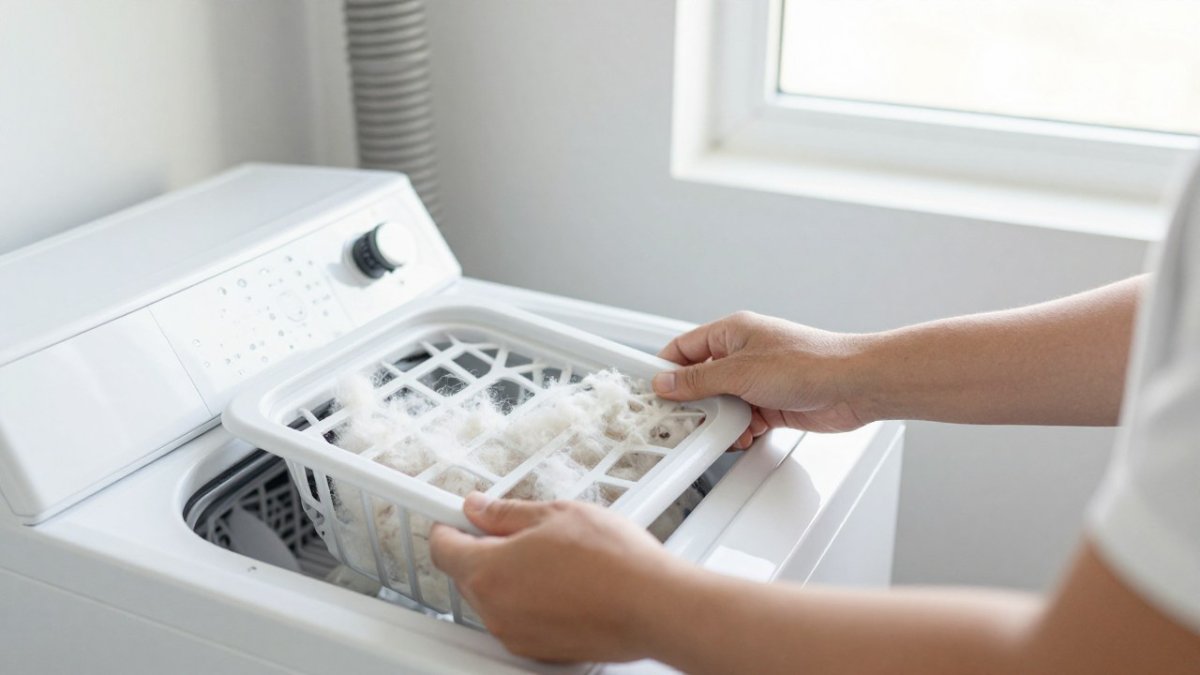
Simple maintenance has an outsized effect:
- Clean the lint filter after every load.
- Clear the vent duct and exterior hood at least once a year, more often for heavy use.
- Avoid overloading the drum, which strains the belt and bearings.
- Level the machine so the drum does not wobble.
Installation counts too. A dryer that sits in a cramped closet with poor ventilation tends to run hotter. Household workload also shifts the picture: a family of five generates far more laundry than a single person, so the same model may wear out sooner in the larger home. Finally, check the manufacturer warranty and parts availability when you buy, because repairability determines how long a unit stays useful.
Lifespan by Brand and Model Tier
Brand reputation and price tier both influence durability, though neither guarantees a particular service life. Model tiers can differ in component design, so compare the specifications of the specific models you are considering.
When comparing models, consider warranty length, the availability of replacement parts, and user reports for a specific model rather than relying on a brand's general reputation.
The Most Common Dryer Failures and Their Warning Signs
Most dryer breakdowns come from a small set of parts. A heating element can burn out, leaving the drum tumbling but cold. A faulty thermal fuse or door switch can stop the machine from starting. The drive belt can snap or stretch, producing a thumping noise or a drum that will not turn. Worn drum rollers and bearings cause squealing or rumbling.
Watch for early warning signs: clothes taking noticeably longer to dry, a burning smell, unusually hot exterior surfaces, or a drum that stops mid-cycle. Any burning odor or sign of overheating calls for immediate shutdown and inspection, since overheating is a fire risk.
Do Dryers Last Longer Than Washers?
Dryers and washers face different stresses. A washer handles water, detergent, and constant spinning, while a dryer works with heat and lint. The comparison depends heavily on the models and usage involved. A dryer that receives poor airflow maintenance can fail well before a washer in the same home, so the more reliable approach is to judge each appliance on its own condition and care.
Repair or Replace: A Cost Calculation and Maintenance Plan to Make Your Dryer Last
When a dryer breaks, the half-the-price rule is a starting point, not a decision. A more transparent method compares four numbers: the repair quote, the machine's age against its expected remaining life, the cost of a comparable new unit, and the change in operating cost. Run the calculation in that order and the answer usually becomes obvious.
Start with remaining life. If a modern electric dryer is expected to run about 10 to 13 years and yours is 7 years old, you are buying roughly 3 to 6 more years with a repair. Divide the repair quote by those remaining years to get a cost per added year of service. For example, a repair cost spread over the remaining years of service gives a cost per added year, which makes older machines harder to justify repairing. This reframes the half-the-price rule into a per-year figure that accounts for age.
Next, weigh the repair against replacement cost and disruption. A new electric dryer typically runs several hundred to well over a thousand dollars depending on capacity and features, and installation, haul-away, and any vent or electrical work add to that. If the repair quote is a meaningful fraction of the installed price of a new unit and the machine is past the midpoint of its expected life, replacement often makes more sense. If the machine is young and the failure is a single wear part such as a belt, roller, or thermal fuse, repair is almost always the better call.
Then factor in what the repair does not fix. A heating element replacement does not renew the drum bearings, the belt, or the control board. On an older machine, price the next likely failure into the decision. A common pattern is one repair followed by another within a year or two, and that sequence is the real signal to replace.
Energy use belongs in the comparison too. An older electric dryer that takes two cycles to dry a load, or that has a failing element running longer than it should, costs more per load than its age suggests. If a new unit's efficiency and shorter cycle times would recover part of the replacement price over the remaining years, that narrows the gap. Do not assume a new dryer pays for itself quickly, though; the savings are real but usually modest unless the old unit is clearly underperforming.
Watch out: a burning smell, scorched wiring, or a dryer that repeatedly overheats is not a repair-versus-replace calculation at all. Stop using it and have the vent and machine inspected, because those symptoms point to a fire risk that no cost comparison should delay.
For the maintenance side, put the plan on a calendar rather than a memory. Clean the lint filter after every load. Inspect the vent duct and exterior hood monthly for lint buildup and crimps, and schedule a full vent cleaning at least once a year, more often in a large household or with a long vent run. Check the drum belt, door switch, and leveling annually, and listen for new squeals or thumps that signal worn rollers or bearings. A dryer that reaches the upper end of its expected life usually got there through airflow maintenance, not luck.
| Situation | Likely Choice |
|---|---|
| Under about 6 years old, single wear part such as belt, roller, or fuse | Repair |
| Repair quote high relative to remaining years of service | Consider replacing |
| Over about 10 years old with a second failure in two years | Replace |
| Repeated overheating, burning smell, or scorched wiring | Stop use, inspect, and likely replace |
Choosing the right dryer comes down to matching the machine to your household's workload and maintenance habits. Fast Appliances LLC carries a broad range of electric dryers so you can compare options by capacity, features, and price. Get started with Fast Appliances LLC today and find a dryer built to handle your laundry for years to come.
Frequently Asked Questions
How long does an electric dryer usually last?
Electric dryer service life varies with use and maintenance. Households that run a dryer daily, or that skip lint filter and vent cleaning, often see shorter service life. Lighter use in a smaller household can stretch it further. Because estimates vary by source and workload, treat 10 to 13 years as a planning range rather than a guarantee, and watch for the warning signs covered in this guide.
Is it worth fixing a 7-year-old dryer?
Often yes, if the repair is a single inexpensive part such as a thermostat, belt, or door switch and the rest of the machine runs well. A common rule of thumb is the 50% rule: if the repair costs more than half the price of a comparable new dryer, replacement usually makes more sense. Repair costs depend on the part, the model, and local labor rates, so get a written estimate before deciding.
Which brand of dryer has the longest lifespan?
Brand alone does not settle lifespan. Model tier, build quality, and how the machine is maintained matter as much as the manufacturer name. Entry-level, mid-range, and premium models from the same brand can differ in component quality. Check the manufacturer warranty and parts availability for the specific model you are considering, and read owner reviews for long-term reliability reports.
What maintenance can help an electric dryer last longer?
Helpful habits include cleaning the lint filter before every load and clearing the exhaust vent at least once a year. Restricted venting forces the heating element to work harder and can cause overheating. Keeping the dryer level and avoiding overloading also reduce wear on the drum, belt, and motor. Check the website for current availability of parts and models.