 ultimate-guide
How to Choose First Home Appliances: A 2026 Guide
Table of Contents
- Assess Your Lifestyle and Household Needs
- How to Measure for a New Refrigerator and Other Appliances
- Set a Realistic Appliance Budget
- Essential Kitchen Appliances Checklist for First-Time Buyers
- Energy Efficiency and Utility Costs
- Best Time of Year to Buy Appliances
- Smart Features, Maintenance, and Long-Term Value
- Mistakes to Avoid When Buying Appliances
- Frequently Asked Questions
Last Updated: September 1, 2026
Assess Your Lifestyle and Household Needs
Before choosing first home appliances, understand what your household actually requires. Ask yourself: How many people live here? Do you cook frequently or rely on takeout? How often do you do laundry? Do you entertain guests regularly? Your answers determine which appliances matter most and which features justify the cost.
First-time homebuyers often buy what looks good in a showroom rather than what matches their daily reality. A massive refrigerator with ice and water dispensers sounds appealing until you live alone and half the space stays empty. Fast Appliances LLC helps customers match selections to actual usage patterns, not aspirational ones.
A family with young children prioritizes different features than a retired couple. Parents might want a refrigerator with a water dispenser for convenience, while empty nesters care more about energy efficiency and compact sizing. If you work long hours, a dishwasher becomes essential rather than optional. Write down your lifestyle factors, this becomes your filtering system when browsing appliances and prevents impulse purchases.
How to Measure for a New Refrigerator and Other Appliances
Ordering appliances online without accurate measurements leads to expensive mistakes. A refrigerator that doesn't fit through your kitchen doorway is a disaster. Measuring correctly takes 15 minutes and saves thousands in returns.
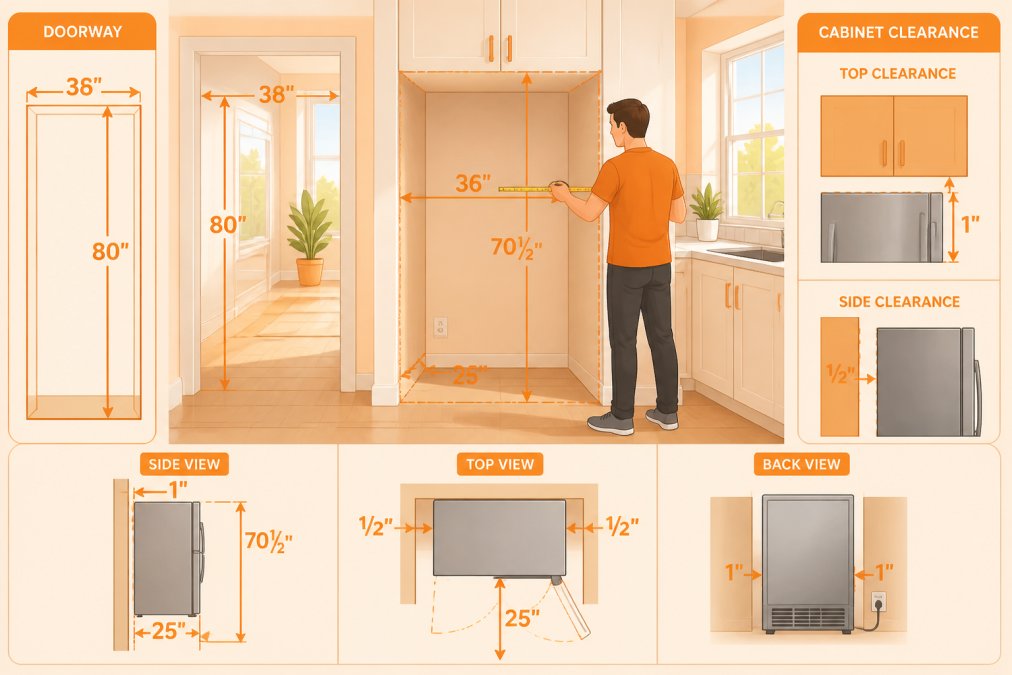
Start with your kitchen footprint. Measure the width, depth, and height of the space where each appliance will go. For refrigerators, measure the opening width, the distance from the back wall to any obstructions, and the height from floor to any cabinets above. Note whether the space is a standard 36-inch opening or something custom. Measure twice.
Check doorways and hallways. Measure the width and height of every doorway the appliance must pass through to reach the kitchen. Refrigerators and ovens often get stuck because they're wider than expected when tilted at an angle. Measure diagonally through doorways to confirm the appliance can fit. Take photos and send them to Fast Appliances LLC if you're unsure whether a specific model will work.
For stoves and cooktops, measure the width of your current opening and confirm the depth. Dishwashers fit into standard 24-inch openings in most kitchens, but measure to be certain. Washers and dryers require floor space and consideration of door swing.
Write down electrical and gas connections. Where are your current outlets? Do you have gas lines for a gas stove, or will you need electric? These infrastructure questions affect which appliances you can use. A high-powered range may require an electrician to upgrade your panel, a cost that changes your budget significantly.
Set a Realistic Appliance Budget
Budget determines your choices more than any other factor. Knowing your total spending limit and how to allocate it prevents regret purchases and financial strain.
Calculate your total available funds. Are you replacing one appliance or furnishing an entire kitchen and laundry room? First-time homebuyers often underestimate the cost of outfitting a kitchen with all essential appliances. The total adds up quickly.
Allocate your budget strategically. The refrigerator typically deserves the largest share because it runs constantly and affects your daily experience most. A quality refrigerator lasts 10-15 years (peer-reviewed research). The stove comes second, used multiple times daily and affecting cooking results. The dishwasher, washer, and dryer are secondary but still important for convenience.
A common mistake is spending too much on features you won't use. Smart home integration sounds appealing until you realize you'll never use the app to start your dishwasher from work. Stainless steel finishes look premium but require constant fingerprint wiping. Extra cooking modes go unused if you mostly bake at standard temperatures. Identify which features genuinely improve your life.
Research typical appliance lifespan to understand long-term value. A refrigerator lasting 13 years costs less per year than one lasting 8 years, even if the upfront price is higher. This perspective shifts the conversation from "what's cheapest" to "what costs least over time." Fast Appliances LLC carries products at multiple price points, allowing you to balance upfront cost with expected durability.
Consider financing options if purchasing everything at once strains your budget. Some retailers offer payment plans, though you'll pay interest. Others have seasonal sales where specific appliances drop in price.
Essential Kitchen Appliances Checklist for First-Time Buyers
Not every homeowner needs every appliance, but certain items are nearly universal.
Refrigerator: Essential. Non-negotiable. Choose between French door, side-by-side, top-freezer, and bottom-freezer designs based on your kitchen layout. Standard-depth models fit flush with counters, while counter-depth models offer a built-in look. Size typically ranges from 20 to 28 cubic feet for most households.
Stove or Range: Essential. You need either a gas or electric stove for cooking. A range combines the cooktop and oven in one unit. Choose gas if you prefer responsive heat control, electric if you want even heating and easier cleaning.
Dishwasher: Highly recommended. A dishwasher saves time and uses less water than hand-washing. Standard sizes are 24 inches wide.
Microwave: Essential for most households. Counter-top models sit on counters, while over-the-range models mount above your stove and provide ventilation.
Range Hood or Ventilation: Necessary for safety and air quality. Hoods remove cooking odors and steam. Ducted hoods vent outside and are more effective than recirculating models.
Washer and Dryer: Essential if you have laundry in your home. Top-load washers are traditional and less expensive. Front-load washers use less water and energy but cost more upfront. Stackable units save space in small homes.
Garbage Disposal: Optional but convenient. It grinds food waste for easier cleanup.
Icemaker and Water Dispenser: Optional. Built-in models in refrigerators offer convenience but add cost and require water line connection.
Energy Efficiency and Utility Costs
Energy-efficient appliances cost more upfront but save money monthly on electricity and water bills. Over the appliance's lifetime, efficiency often justifies the higher initial price.
Look for the Energy Star rating on major appliances. Energy Star products meet strict efficiency standards set by the U.S. Environmental Protection Agency. A refrigerator with Energy Star certification uses about 15% less energy than a non-certified model (energystar.gov). Over 13 years, that difference adds up substantially in reduced utility bills.
Understand the EnergyGuide label. Every major appliance displays this yellow label showing estimated annual operating costs and how the model compares to similar products. This lets you compare energy costs between models directly.
Calculate the payback period for energy-efficient models. If an efficient refrigerator costs $200 more but saves $50 per year in electricity, it pays for itself in four years. Since most refrigerators last 10-15 years, you save money for the remaining years.
Water usage matters for dishwashers and washing machines. An Energy Star dishwasher uses about 3 gallons per cycle, while older models use 27 gallons (energystar.gov). For households running the dishwasher frequently, the savings are significant.
Gas versus electric stoves affects utility costs differently. Gas stoves are cheaper to operate if you have natural gas service, but electric induction cooktops offer better energy transfer to cookware and heat food faster and more efficiently.
Best Time of Year to Buy Appliances
Timing your appliance purchase strategically can reduce costs by 10-20%. Retailers follow predictable seasonal patterns that savvy shoppers exploit.
Black Friday and Cyber Monday in November offer substantial discounts on appliances. January and February also bring sales as retailers clear holiday inventory and introduce new models. Labor Day weekend in September offers another sales window.
Avoid buying during peak renovation season in May and June. Demand is highest, prices are highest, and delivery times are longest. New model releases happen in late August and January. Previous year's models get discounted to clear inventory. If you're flexible on color and features, buying last year's model can save money.
Smart Features, Maintenance, and Long-Term Value
Modern appliances increasingly include smart home connectivity and automated features. Understanding which smart features add genuine value versus which are gimmicks affects your purchasing decision.
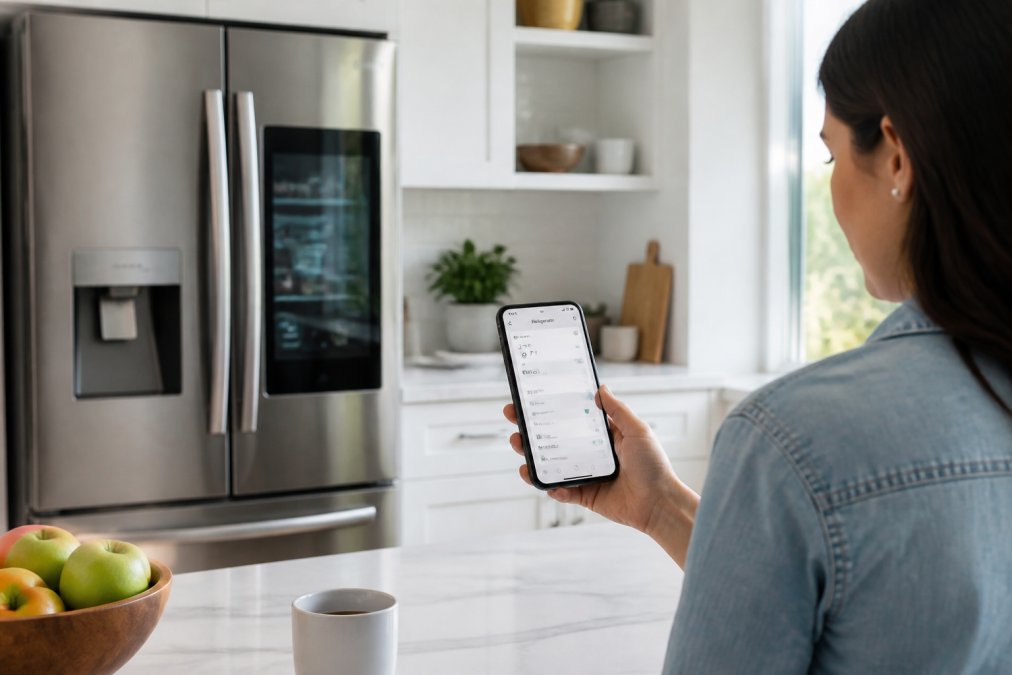
Smart refrigerators can send alerts if the door stays open or notify you when food is running low. These features appeal to tech-forward homeowners, but basic refrigerators keep food cold just as effectively. The added cost ranges from $500 to $2,000. Ask yourself honestly whether you'll use these features regularly.
Smart washing machines and dryers let you start cycles remotely and receive notifications when laundry is done. For busy professionals, this convenience justifies the cost. For households where someone is home during laundry day, the benefit is minimal.
Maintenance affects long-term value more than smart features. Appliances that are easy to clean and repair last longer and cost less to maintain. Sealed cooktops are easier to clean than coil burners. Refrigerators with accessible filters cost less to maintain than models requiring service calls.
Warranty coverage determines repair costs if something breaks. Most appliances come with one-year manufacturer warranties covering defects. Extended warranties add 2-5 years of coverage but cost $100-$400 depending on the appliance.
Parts availability and repair accessibility affect long-term ownership. Common brands have service centers nationwide and replacement parts readily available. This reality makes brand reputation matter more than specifications alone.
Resale value influences your true cost of ownership. If you sell your home in five years, appliances in good condition may add value. Standard sizes and configurations are easier to sell than custom or specialty models.
Mistakes to Avoid When Buying Appliances
Learning from others' mistakes prevents costly errors.
Ignoring measurements: An appliance that doesn't fit forces returns and restocking fees. Measure before you shop.
Choosing style over function: A beautiful but unreliable appliance frustrates you daily. Function matters more than aesthetics.
Overbuying capacity: A massive refrigerator costs more, uses more energy, and wastes space if you don't fill it. Match capacity to your household size.
Neglecting installation requirements: Some appliances require professional installation. Gas stoves need certified technicians. Factor these costs into your budget.
Buying everything at once: If budget allows, spread purchases over time. This lets you learn what you actually need.
Ignoring warranty details: Read warranty terms carefully. Some warranties cover parts only, not labor.
Choosing based on price alone: The cheapest option often has the shortest lifespan. A slightly more expensive appliance with better reliability costs less over its lifetime.
Overlooking delivery and installation: Confirm delivery windows, installation options, and whether old appliances are removed. Some retailers charge extra for these services. Fast Appliances LLC includes delivery details upfront.
Forgetting about future needs: If you're planning to move or expand your family, consider how your appliance choices support future flexibility.
Buying features you won't use: Smart home connectivity and specialty cooking modes sound appealing in a showroom. Be honest about whether you'll actually use them.
Choosing first home appliances feels overwhelming, but breaking it into steps makes it manageable. Start with your lifestyle needs, measure your space accurately, set a realistic budget, and prioritize durability over features you won't use. Energy efficiency saves money over time, timing your purchase strategically reduces costs, and understanding maintenance and warranty coverage protects your investment.
Fast Appliances LLC simplifies this process by offering a comprehensive selection of reliable appliances with transparent pricing and delivery information. Our team helps first-time buyers match their household needs to the right products, ensuring your new appliances work for your life, not against it. Browse our selection today and find the appliances that fit your home and budget.
Frequently Asked Questions
What is the 50/50 rule for appliances?
The 50/50 rule suggests that if an appliance repair costs more than half the price of a new replacement, it's time to buy new. This helps you decide whether to fix or replace a broken unit. However, consider the appliance's age, remaining lifespan, and warranty coverage. A newer unit with years of expected life remaining may be worth repairing, while an older appliance near the end of its lifespan is better replaced.
What is the best month to buy new appliances?
The best time of year to buy appliances is typically late fall and winter, particularly November through January. Retailers clear inventory before spring deliveries, and manufacturers release new models. September and early October also offer good deals as back-to-school sales transition to holiday promotions. Avoid peak spring and summer months when demand drives prices up. Check for holiday sales and seasonal promotions to maximize savings.
How do I determine the right size for my kitchen appliances?
Measure your kitchen space carefully before purchasing. For refrigerators, note the width, depth (including door swing), and height of your designated space. Check counter-depth versus standard-depth options. For ranges and cooktops, measure the opening and verify electrical or gas line locations. For dishwashers, confirm the cabinet space dimensions. Use these measurements when comparing product specifications to ensure proper fit and installation. Many retailers offer free measurement consultation services.
Should I prioritize energy efficiency when buying my first appliances?
Yes, prioritizing Energy Star-rated appliances reduces long-term utility costs significantly. While efficient models may cost more upfront, they consume less electricity and water, lowering monthly bills. Over a 10-15 year lifespan, energy savings often exceed the price premium. Energy Star ratings help you compare utility consumption across similar products. Calculate the payback period by dividing the price difference by estimated annual savings to determine if efficiency upgrades make financial sense for your household.
What are the most common mistakes first-time buyers make with appliances?
Common mistakes include not measuring kitchen space before ordering, ignoring warranty coverage and service contracts, overlooking installation requirements and delivery logistics, choosing based on appearance alone without checking reliability ratings, and buying oversized appliances that don't fit the space. First-time buyers also neglect to verify electrical and plumbing connections, skip reading customer reviews, and fail to consider maintenance schedules and repair costs. Avoid rushing purchases during emergencies; compare product reliability metrics and long-term value before buying.
How long should I expect my major home appliances to last?
Most major appliances have a typical lifespan of 10-15 years. Refrigerators average 12-18 years, while washing machines and dryers last 10-14 years. Dishwashers typically last 9-12 years, and ranges and ovens average 13-15 years. Lifespan depends on usage frequency, maintenance schedules, and product quality. Regular maintenance extends appliance life; neglect shortens it significantly. Warranty coverage varies by manufacturer and product type, so check warranty terms when comparing options. Plan replacement timelines based on these averages.
What appliances do first-time homeowners actually need?
Essential kitchen appliances include a refrigerator, range or cooktop with oven, microwave, and dishwasher. Laundry essentials are a washer and dryer. Additional useful appliances are a garbage disposal, range hood for ventilation, and a countertop microwave or toaster oven. Your specific needs depend on household size, cooking habits, and lifestyle. Create an essential kitchen appliances checklist based on your daily routines. Start with core items and add specialty appliances later as your needs evolve and budget allows.
This article was written using GrandRanker