 how-to
How Long Does a Built-in Refrigerator Last
Table of Contents
- How Long Does a Built-in Refrigerator Last
- Built-in vs. Freestanding Refrigerator Lifespan
- Factors That Affect Built-in Refrigerator Longevity
- Built-in Refrigerator Maintenance to Extend Service Life
- Signs Your Refrigerator Needs Replacing
- Built-in Refrigerator Repair or Replace: Making the Right Decision
- Frequently Asked Questions
Last Updated: October 16, 2026
How Long Does a Built-in Refrigerator Last
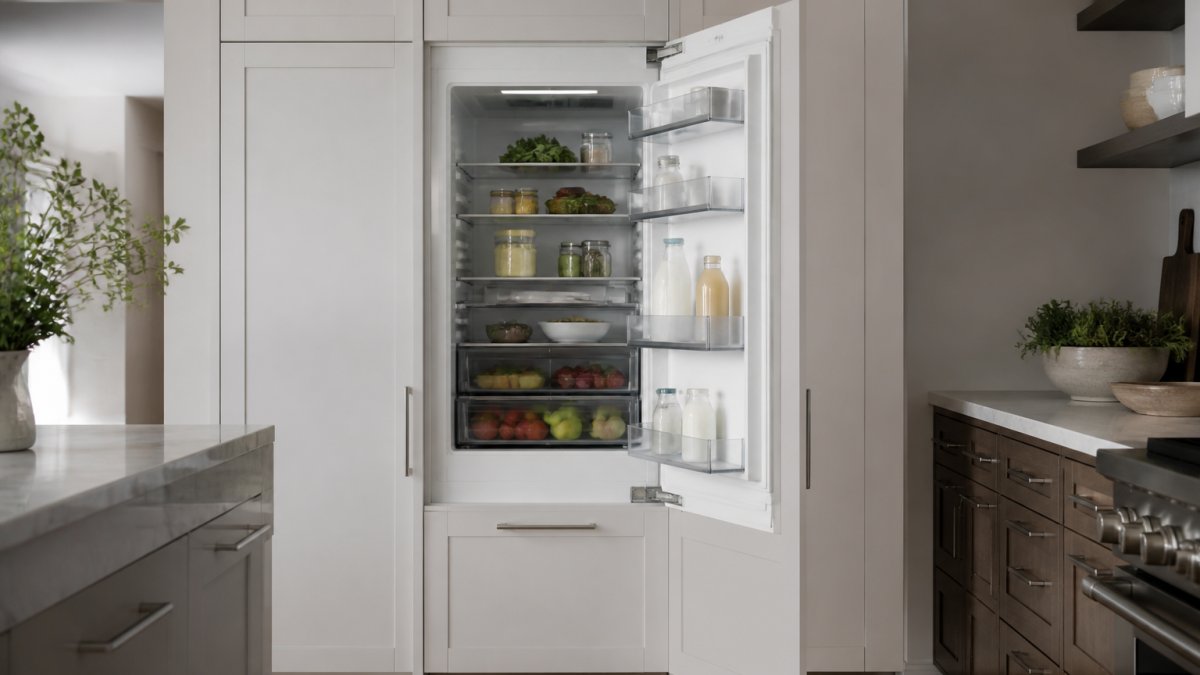
A built-in refrigerator typically lasts between 10 to 20 years, depending on build quality, maintenance, and usage patterns.
We help homeowners understand what to expect from their built-in refrigerators so they can plan replacements and maintenance accordingly.
The good news: you have real control over how long your built-in refrigerator lasts. Simple maintenance steps can add years to its service life.
Built-in vs. Freestanding Refrigerator Lifespan
Built-in refrigerators typically outlast freestanding models by 2 to 5 years on average.
Why the difference? Built-in models are designed for permanent installation. They have:
- Heavy-duty compressors built to run continuously
- Premium insulation and sealing systems
- Better ventilation design integrated into cabinetry
- More durable door gaskets and hinges
- Advanced cooling systems that handle consistent demand
Freestanding refrigerators are built to be portable and flexible. That design trade-off means they experience more stress on components like hinges and seals over time.
One important caveat: a built-in refrigerator's lifespan assumes proper installation and adequate ventilation space. Poor ventilation can cut years off its life because the compressor works harder to maintain temperature.
Factors That Affect Built-in Refrigerator Longevity
A built-in refrigerator is not one lifespan, it is a collection of components with different failure timelines. The unit reaches 15-20 years only when the compressor, fans, seals, ice maker, and control board each last long enough. Understanding which parts fail first, and why, is the most practical way to extend service life and avoid a premature replacement.
Component-Level Failure Timelines
Most practitioners find that built-in refrigerators fail in a predictable order. The compressor is usually the longest-lived part, often running 12-20 years when the condenser coils are kept clean and the unit is properly ventilated. The parts around it wear out sooner:
- Door gaskets and seals: 5-10 years. Gaskets harden, crack, and lose their magnetic grip. A failing seal lets cold air escape, so the compressor runs longer and hotter, which shortens the life of the most expensive component.
- Condenser fan and evaporator fan motors: 8-12 years. These small motors run continuously and collect dust. A failing fan causes temperature swings and frost buildup.
- Ice maker and water inlet valve: 5-10 years. Ice makers are among the most repair-prone parts of any refrigerator, and the inlet valve can clog or leak.
- Control board and thermistors: 8-15 years. Digital controls are more stable than mechanical thermostats, but boards can fail after power surges or years of heat exposure.
- Compressor: 12-20 years. The compressor is built for continuous duty, but it fails early when coils are dirty, ventilation is restricted, or the unit is overworked.
Build Quality and Brand Reliability
Premium brands engineer components to withstand years of heavy use. A built-in refrigerator from a manufacturer known for reliability often outperforms budget models by 5+ years.
Door seals and gaskets matter more than most people realize. Cheap gaskets harden and crack within 5 years. Quality gaskets stay flexible for 15+ years.
The control system also varies. Digital controls in premium models are more stable than mechanical thermostats, which can drift and cause temperature fluctuations that stress the cooling system.
Installation and Ventilation Requirements
Proper installation is non-negotiable for built-in refrigerator longevity. A unit installed without adequate ventilation space will fail years earlier than expected. Built-in refrigerators need:
- At least 1 inch of clearance on sides (some models require 2 inches)
- 1-2 inches of clearance at the top for air circulation
- Proper ventilation behind the unit (usually 4-6 inches minimum)
- Level installation to ensure doors close properly
When ventilation is restricted, the compressor runs constantly trying to maintain temperature. This accelerates wear on the cooling system and can cause premature failure. Many built-in units installed in tight cabinetry fail at 8-10 years simply because they are suffocating. Temperature control also depends on proper airflow. If warm air cannot escape from behind the unit, the thermostat senses higher temperatures and keeps the compressor running longer than necessary.
Usage Patterns and Household Demands
How much you use your refrigerator affects its lifespan. Frequent door openings, storing hot food, or overstocking reduce service life. Heavy usage patterns include:
- Opening the door 10+ times per day
- Storing warm food regularly without cooling first
- Keeping the unit packed beyond 80% capacity
- Running the ice maker and water dispenser constantly
- Storing items against interior vents
Light to moderate usage, opening the door 3-5 times daily, storing room-temperature food, and maintaining good airflow inside, extends lifespan significantly. The compressor runs less, components experience less stress, and the cooling system stays in better condition. Household size matters too. A family of 6 puts far more demand on a built-in refrigerator than a couple. The appliance works harder and ages faster under heavy use.
How These Factors Interact
The factors above are not independent. A poorly ventilated unit with a failing gasket forces the compressor to run almost continuously, which shortens compressor life and raises energy use. A well-installed unit with clean coils and intact seals lets the compressor cycle normally, which is why the same model can last 10 years in one kitchen and 18 in another.
Built-in Refrigerator Maintenance to Extend Service Life
Maintenance is where you gain the most control over lifespan. Neglect maintenance, and a quality unit might fail at 12 years. Maintain it properly, and you'll likely reach 18-20 years.
Regular Cleaning and Preventive Care
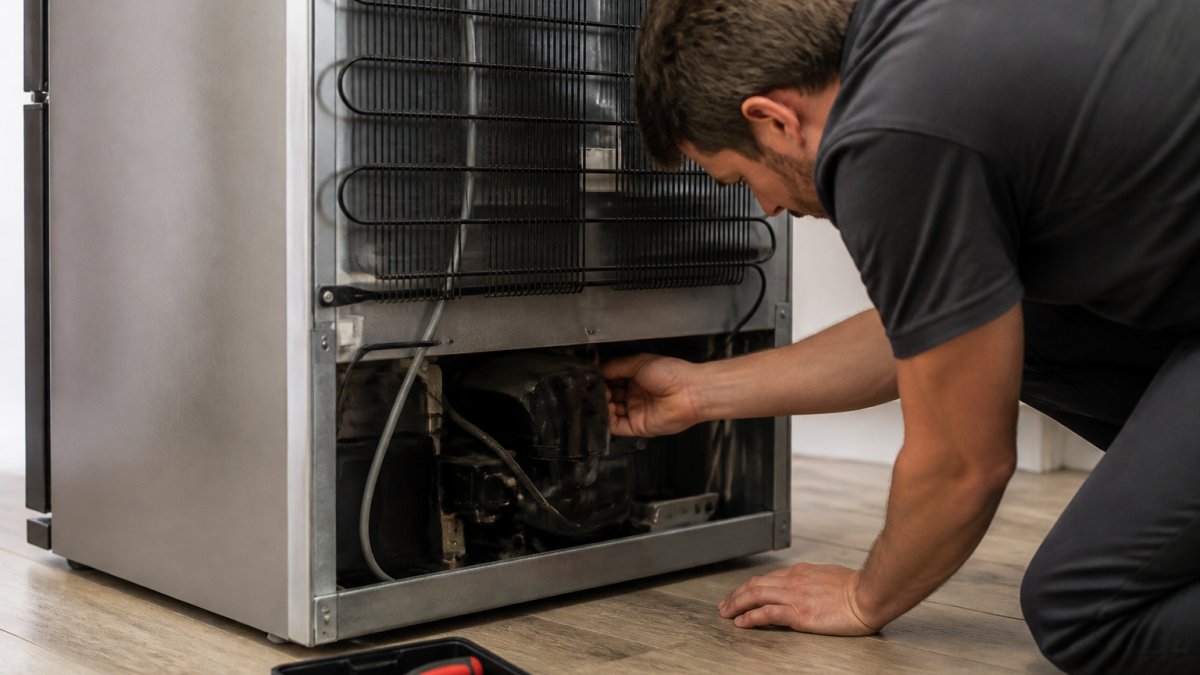
Condenser coils are the single most important maintenance task. These coils release heat from the refrigerant.
Clean condenser coils every 6 months:
- Unplug the refrigerator
- Locate coils (usually behind or underneath the unit)
- Use a coil brush or soft brush to remove dust
- Vacuum debris thoroughly
- Plug the unit back in
Door seals should be checked quarterly. Run your hand around the gasket to feel for cracks or hardening. Clean the seal with mild soap and water.
Interior vents need to stay clear. Don't block vents with food or containers. Air needs to flow freely to maintain even temperature throughout the unit.
Monitoring Temperature Control and Cooling System
Check your refrigerator temperature weekly. The fridge should stay between 35-38°F, and the freezer at 0°F or below. Use a simple thermometer to verify.
Temperature fluctuations signal a cooling system problem. If temperatures swing more than 3-5 degrees, the thermostat or compressor may be failing.
Listen for unusual sounds. A clicking or humming noise that changes pitch suggests compressor stress. Rattling might indicate loose components.
Signs Your Refrigerator Needs Replacing
Certain warning signs indicate your built-in refrigerator is nearing the end of its service life. Recognizing these helps you plan a replacement before the unit fails completely.
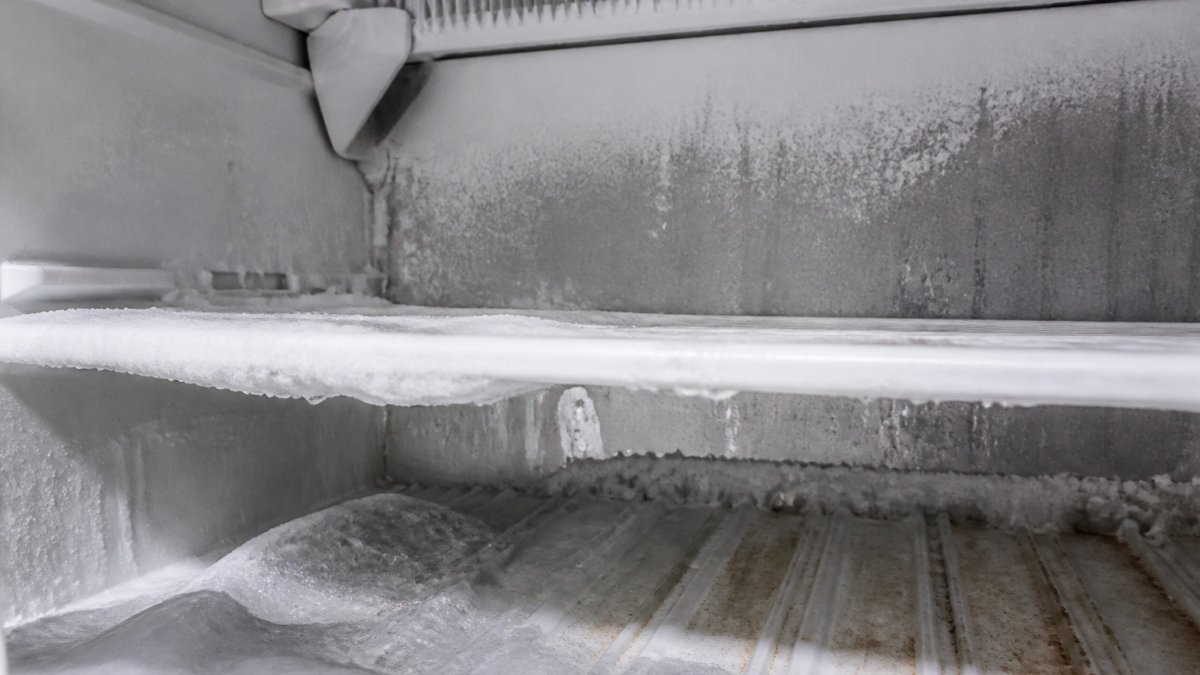
Your refrigerator needs replacing if it shows multiple warning signs simultaneously. A single issue might be repairable.
Common replacement indicators:
- Food spoils quickly despite correct temperature settings
- Ice buildup inside the freezer despite defrost cycles
- Compressor runs constantly but temperature stays warm
- Water pooling inside the fridge or underneath the unit
- Loud grinding, clicking, or unusual compressor noise
- Visible rust or corrosion on coils or interior walls
- Frost on the back wall that won't defrost
- Refrigerant leaks (oily spots under the unit)
- Door seals cracked or no longer sealing properly
- Age exceeds 15 years with multiple repairs in past 2 years
A single repair might make sense. But if your built-in refrigerator is 12+ years old and showing 2-3 of these signs, replacement is often more economical than repair.
Built-in Refrigerator Repair or Replace: Making the Right Decision
The repair-versus-replace decision depends on age, repair cost, failure type, and remaining service life. A simple formula helps: if repair cost exceeds 50% of replacement cost, replacement usually makes more sense. But built-in refrigerators add variables that freestanding units do not, so the decision deserves a closer look.
A Practical Decision Framework
Use these criteria in order. If two or more point toward replacement, replacement is usually the better investment.
- Age versus expected life. A built-in refrigerator typically lasts 10-20 years. If the unit is past 12 years and needs a major repair, remaining service life is short. If it is under 8 years old, repair is usually worth it.
- Repair cost versus replacement cost. The 50% rule is a useful starting point. If the repair costs more than half of a comparable new unit, replacement is usually smarter.
- Failure type. Gaskets, fans, ice makers, and thermistors are relatively inexpensive and worth repairing at almost any age. Compressor, sealed-system, or control-board failures are expensive and often signal the unit is near the end.
- Parts availability. Older or discontinued models may have long lead times or no parts at all. If the part is unavailable or backordered for weeks, replacement may be the only practical option.
- Repair history. Two or more major repairs in the past two years suggest the unit is entering a failure cycle. One repair in 15 years is a different story.
- Energy efficiency. Older units use 30-40% more energy than modern models. Over 10 years, the energy savings of a new unit can offset much of the replacement cost.
Built-in Repair and Replacement Costs
Built-in refrigerator repairs range widely depending on the problem. A door seal replacement might cost $150-300. A condenser fan motor replacement can run $250-500.
Replacement is more involved for built-in models than for freestanding units. A new built-in refrigerator from a quality manufacturer typically costs $2,500-5,000 depending on features and size, but the appliance is only part of the total.
Age and Remaining Warranty Coverage
Manufacturer warranties typically cover 1-3 years. Extended warranties sometimes extend to 5-10 years. Check your warranty before deciding to repair. If your unit is still under warranty, repair is usually free or low-cost. Take advantage of that coverage.
Once warranty expires, repair economics change. You are paying full labor and parts cost. A unit at 12-15 years old with no warranty coverage is a candidate for replacement, especially if repairs are needed.
When to Call an Appliance Repair Professional
Call a professional when you see refrigerant leaks (oily spots under the unit), hear loud grinding or clicking from the compressor, notice the compressor running constantly without cooling, or find water pooling inside or under the unit. These are not do-it-yourself fixes. For built-in models, also call a technician if the unit is not holding temperature after a door-seal or fan check, sealed-system diagnosis requires gauges and training that most homeowners do not have.
Frequently Asked Questions
How long do built-in refrigerators typically last?
Built-in refrigerators generally last 15 to 20 years with proper maintenance and regular care. Premium models with quality build and reliable compressors may exceed 20 years, while those with heavy usage or inadequate ventilation may fail sooner. The actual service life depends on brand reliability, installation quality, and how consistently you maintain cooling system components like condenser coils and door seals.
Do built-in refrigerators last longer than freestanding models?
Built-in refrigerators often have a longer lifespan than freestanding models, typically lasting 15 to 20 years. This is often due to their design for permanent installation and the assumption of proper ventilation and regular maintenance. Freestanding units are easier to access for cleaning and repairs, which can also extend their service life. The difference comes down to installation quality and preventive maintenance rather than the appliance type itself.
What maintenance helps a built-in refrigerator last longer?
Regular preventive maintenance significantly extends refrigerator service life. Clean condenser coils every 6-12 months, inspect door seals and gaskets quarterly for cracks or deterioration, and ensure proper ventilation around the unit. Check temperature control settings monthly to confirm the cooling system is working efficiently. Consider having a technician inspect the compressor and refrigeration components every few years. These basic maintenance practices prevent breakdowns and keep your built-in refrigerator running reliably for its full expected lifespan.
When should I repair my built-in refrigerator instead of replacing it?
Repair your built-in refrigerator if it's under 10 years old, the repair cost is less than 50% of a replacement unit's price, and the failure is isolated to one component like a compressor or gasket. If your unit is 15+ years old, has multiple failing parts, or repair costs exceed half the replacement price, replacement is usually more economical. Consider whether parts are still available for your model and whether your manufacturer warranty covers the repair, as this can influence the decision significantly.