 ultimate-guide
Do I Need a Dishwasher? A 2026 Buying Guide
Table of Contents
- How Much Time and Water Does a Dishwasher Actually Save?
- Dishwasher vs Hand Washing Water Usage: The Real Numbers
- Does a Dishwasher Get Dishes Cleaner Than Hand Washing?
- Is a Dishwasher Necessary for Resale Value?
- When a Dishwasher Is Not Worth It
- Choosing the Right Dishwasher for Your Kitchen
- Conclusion: Making the Call on a Dishwasher
- Frequently Asked Questions
Last Updated: September 9, 2026
The average American household spends roughly eight hours per week on dishes, a chore that ranks among the least favorite in the home (bls.gov). If you have asked yourself "do I need a dishwasher," the answer depends less on tradition and more on how you value time, water, and the layout of your kitchen. Below, we will show you exactly how to evaluate your situation with clear, practical criteria rather than guesswork.
How Much Time and Water Does a Dishwasher Actually Save?
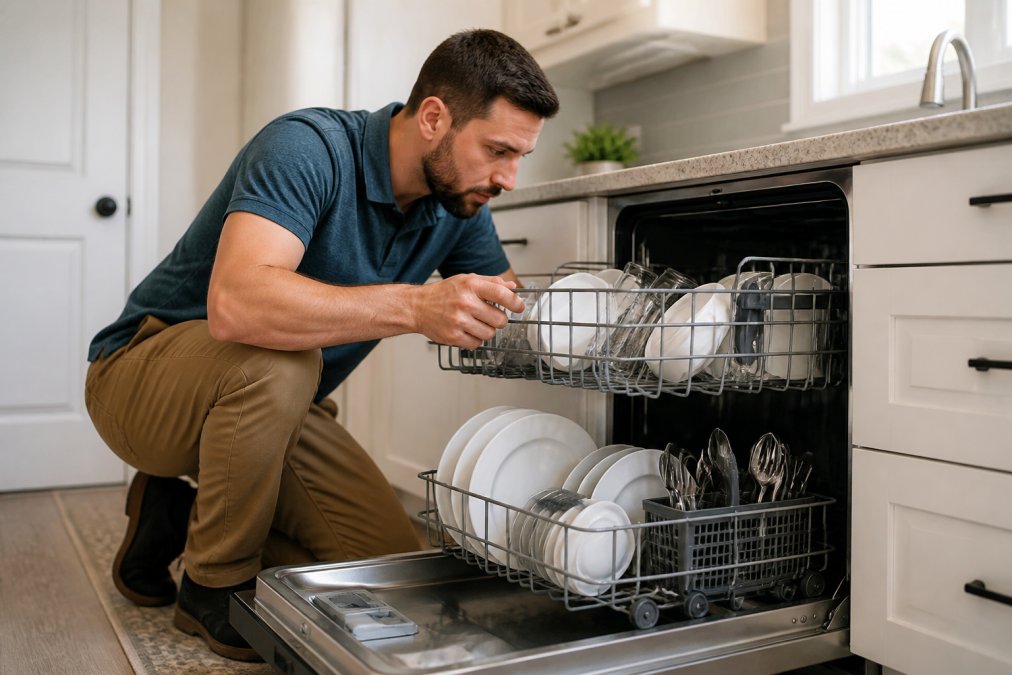
The most immediate benefit of a dishwasher is reclaiming time. Loading a machine takes about 10 to 15 minutes of active effort, while hand washing a full day's dishes typically consumes 30 to 45 minutes at the sink.
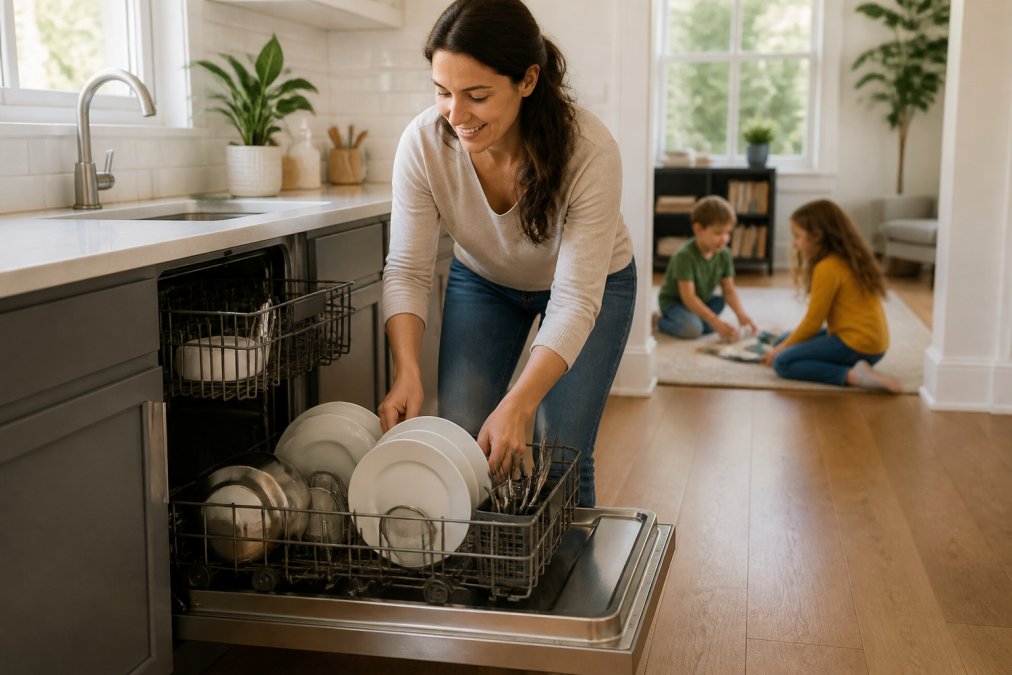
Modern dishwashers are also engineered for efficiency. A standard full-size model holds roughly eight to twelve place settings.
The real time savings multiply for households that cook frequently. Families that prepare most meals at home generate more dish volume, and each additional meal washed by machine instead of by hand frees meaningful minutes from the daily routine.
Dishwasher vs Hand Washing Water Usage: The Real Numbers
When comparing dishwasher vs hand washing water usage, the machine almost always wins on efficiency. A modern, Energy Star certified dishwasher uses far less water per load than washing the same dishes by hand, primarily because it recirculates water through the spray arms rather than running a continuous stream down the drain.
Hand washing typically requires running the tap continuously for rinsing, which is where most water goes. Even a conscientious washer who fills the sink rather than letting the tap run uses more water than an efficient machine cycle. The gap widens further when you consider that dishwashers heat water to higher temperatures than most people can tolerate by hand, improving both cleaning and sanitization.
Energy consumption tells a similar story. The Department of Energy recognizes dishwashers as one of the most efficient appliances in the home, particularly newer models with soil sensors that adjust cycle length and water usage to the actual load.
Does a Dishwasher Get Dishes Cleaner Than Hand Washing?
Yes, and the reasons go beyond simple heat. The cleaning power of a dishwasher comes from a combination of four factors that hand washing cannot replicate: temperature, chemical action, mechanical force, and duration.
The Four Factors of Machine Cleaning
-
Temperature: A dishwasher's internal heater raises water to 140°F to 150°F during the main wash and final rinse (energy.gov). This is significantly hotter than the 110°F to 120°F that is safe for bare hands. This sustained high heat is critical for melting fats and killing common bacteria like E. coli and Salmonella.
-
Chemical Action: Dishwasher detergents are formulated differently from hand dish soap. They contain enzymes that break down starches and proteins, and they are designed to work in a high-pH, low-foaming environment. Hand soaps, by contrast, create suds that would interfere with the machine's spray action.
-
Mechanical Force: The machine delivers a targeted, high-pressure spray of water from multiple angles, bottom, top, and often a third rack. This water pressure, typically 40 to 60 PSI, physically blasts away residue. Hand washing relies on friction from a sponge or brush, which can miss the crevices of forks, the bottoms of cups, and the inside of narrow-necked bottles.
-
Duration: A standard cycle runs for 1.5 to 2.5 hours. This extended exposure to heat and chemicals ensures that even baked-on food is softened and removed. Hand washing is a quick pass that rarely matches this sustained action.
The Sanitization Standard
Many dishwashers offer a "Sanitize" cycle that meets the NSF/ANSI Standard 184 certification. This certification requires the final rinse to reach a minimum of 150°F, which kills 99.99% of bacteria (nsf.org). For households with infants, elderly members, or anyone immunocompromised, this certification provides a level of safety.
The Unseen Benefit: Protecting Your Dishware
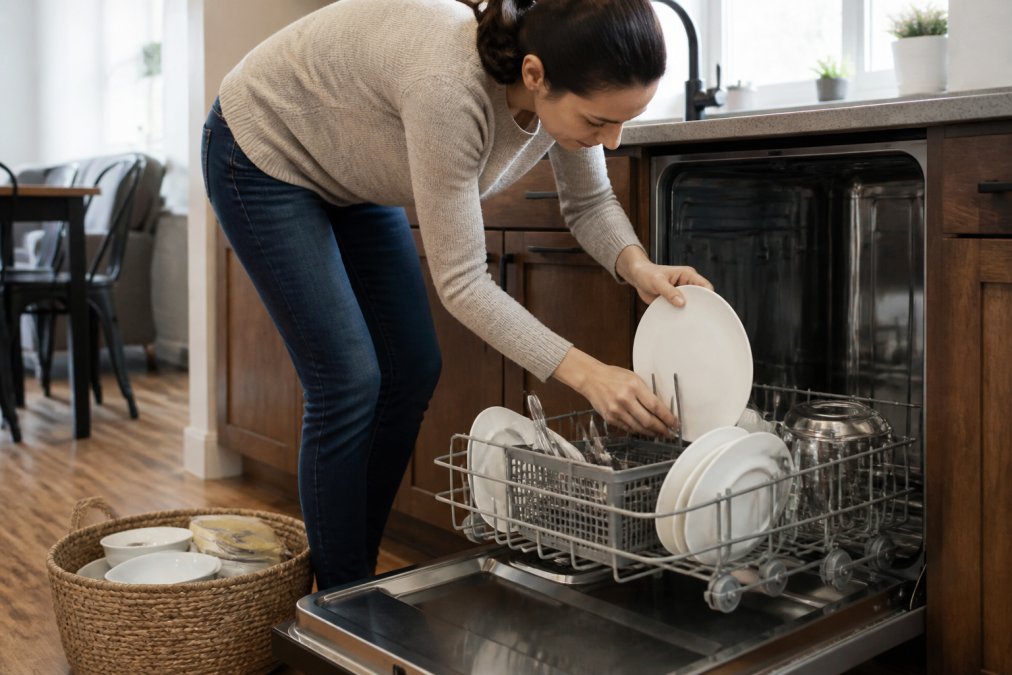
Beyond hygiene, the dishwasher protects your investment in your dishware. When you hand wash, dishes knock against each other in the sink and drain rack, leading to chipped rims and scratched surfaces. The dishwasher holds each item in a fixed, padded slot, preventing this physical trauma.
The One Exception: Cast Iron and Wood
There is a critical caveat. The heat and detergents that make a dishwasher so effective will destroy certain items. Cast iron skillets will lose their seasoning and rust. Wooden cutting boards will warp and crack. Fine, hand-painted china with metallic trim (like gold or platinum) can be damaged by the high heat. For these items, hand washing is not just acceptable, it is required. The best approach is to scrape these items and wash them by hand while the rest of your load goes in the machine.
Is a Dishwasher Necessary for Resale Value?
When considering is a dishwasher necessary for resale value, the short answer is yes for most markets. Real estate listings almost universally feature dishwashers as a standard kitchen appliance, and their absence stands out to prospective buyers.
Kitchen renovation experts consistently rank dishwashers among the essential built-in appliances alongside the range and refrigerator.
A built-in dishwasher creates a seamless countertop line and hides dirty dishes from view, both of which photograph well in listings and appeal during in-person showings.
When a Dishwasher Is Not Worth It
Singles and Minimalist Couples
If you live alone or with a partner who rarely cooks, you might generate only a few plates, a pan, and some silverware per day. Running a full-size dishwasher for that load is inefficient. While modern machines have half-load or eco modes, they still consume energy and water. For this group, the upfront cost of a new unit (typically between $500 and $1,200 for a quality built-in model) and the loss of roughly 24 inches of cabinet space often outweigh the convenience. A simple dish drainer on the counter or an over-the-sink drying rack is often a practical solution.
The 10-Year Cost of Ownership: A Missed Calculation
Most guides stop at the purchase price, but the real financial question is the long-term cost of ownership versus the value of your time. Consider a 10-year horizon:
- The Machine Owner: You buy a $700 dishwasher. Over 10 years, you run it 5 times a week. Energy and water costs for an efficient model average about $35 per year, totaling $350. Add $150 for basic maintenance (cleaning filters, replacing a hose) and a potential $200 repair in year 8. Your total 10-year cost is approximately $1,400. In return, you save roughly 30 minutes of active hand-washing time per day, or 182 hours per year. Over 10 years, that's 1,820 hours reclaimed.
- The Hand-Washer: You spend 30 minutes a day at the sink. You use more water and energy to heat it, let's say an extra $50 per year compared to the machine owner, totaling $500 over a decade. You also replace a few more glasses and plates due to chipping, adding $100. Your total 10-year cost is $600. However, you've spent 1,820 hours on a chore the machine could have done.
This calculation reveals the true trade-off. If your time is worth $10 per hour, the 1,820 hours you save are worth $18,200, far exceeding the machine's cost. If you are a retiree with ample free time and a tight budget, the $800 difference in out-of-pocket costs might be more significant than the time saved.
The Space-Constrained Kitchen
In a compact kitchen, the trade-off is physical, not just financial. A standard dishwasher requires 24 inches of width, and installation often means sacrificing a base cabinet used for pots and pans. For avid home cooks who need that storage, the loss is a daily frustration. In this scenario, a countertop dishwasher (which holds about six place settings) or a portable model on wheels can offer a middle ground.
The Elderly or Mobility-Impaired Household
For older adults, the calculus changes again. The physical strain of bending over a sink, gripping wet dishes, and standing for long periods can be significant. For this group, a dishwasher is often less about convenience and more about maintaining independence and safety. A dishwasher with a raised tub or a drawer model that slides out at waist height can prevent back strain and reduce the risk of dropping and breaking dishes.
Choosing the Right Dishwasher for Your Kitchen
If you have decided a dishwasher fits your household, the next step is selecting the right model for your space and habits. Standard built-in dishwashers measure 24 inches wide and fit under the countertop, while compact models at 18 inches suit smaller kitchens but hold fewer place settings. Measure your available space before shopping, accounting for the rough opening between cabinets.
Consider the configuration that matches your dishwashing habits. Models with a third rack on top provide dedicated space for utensils and small items, freeing room on the lower racks for plates and bowls.
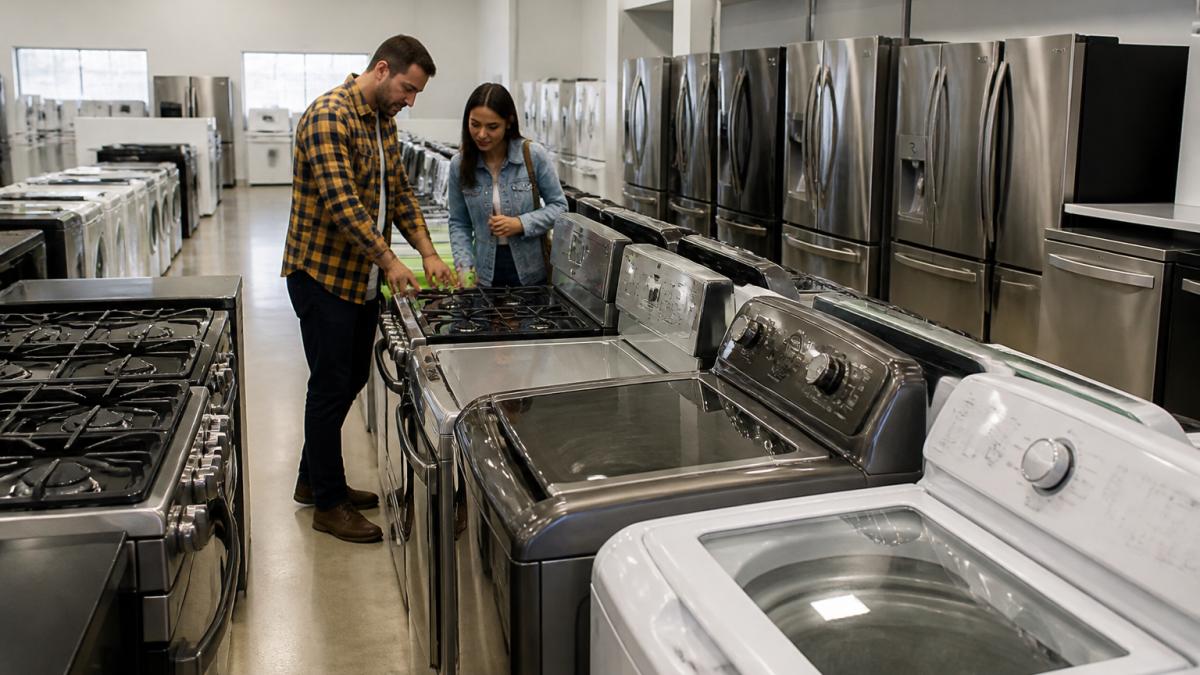
Fast Appliances LLC offers a comprehensive online selection of essential home appliances, providing convenient access to everything from washers, dryers, and refrigerators to stoves, microwaves, dishwashers, cooktops, and ovens. Whether you are equipping a new kitchen or replacing a failing unit, our wide variety and direct approach make it simple to find exactly what you need, delivering efficiency and convenience right to your door.
Conclusion: Making the Call on a Dishwasher
The decision to buy a dishwasher comes down to household size, cooking habits, kitchen space, and your plans for the home. Most families with three or more people will find that the time savings, water efficiency, and improved sanitization can be beneficial.
If you have determined that a dishwasher belongs in your kitchen, browse the selection at Fast Appliances LLC to find a model sized for your household. We offer a wide variety of built-in and portable dishwashers with delivery right to your door, making it simple to upgrade your daily routine. Get started with Fast Appliances LLC and find the dishwasher that fits your kitchen.
Frequently Asked Questions
Is a dishwasher worth it for a single person?
For a single person who cooks rarely, a dishwasher can take years to pay back its purchase price. However, if you cook daily, even for one, a dishwasher uses less water and energy than hand washing a full sink of dishes. It also saves roughly 8 hours per month in time. Consider a slim 18-inch model or a countertop unit to handle smaller loads without taking up full-size cabinet space.
Does a dishwasher increase the resale value of a home?
Yes. A dishwasher is considered a standard, expected appliance in most markets. Homes without one appeal to a smaller pool of buyers and may sell for less or take longer to sell. Real estate agents consistently note that a missing dishwasher is a red flag for buyers who would otherwise make an offer. If you plan to sell within five years, installing a dishwasher is a worthwhile investment.
What are the downsides of having a dishwasher?
The main downsides are upfront cost, installation complexity, and the need to pre-rinse heavily soiled dishes. Dishwashers also take up roughly 24 inches of cabinet space, which matters in a small kitchen. Repairs can be expensive, and the average appliance lasts only 9 to 10 years.
What happens if you don't use a dishwasher?
If you have one installed but hand wash instead, you waste the money you spent on the appliance and its installation. You also use more water: hand washing a full day's dishes for a family of four can use more water than an efficient dishwasher. Over a year, that difference can add to utility bills.