 ultimate-guide
Are Online Appliance Stores Selling Refurbished? A Guide
Table of Contents
- Why Online Refurbished Appliance Sales Are Growing
- What Counts as Refurbished, Scratch and Dent, or Open-Box?
- Where to Find Reliable Refurbished Appliances Online
- Risks of Buying Used Appliances Online and How to Avoid Them
- What a Certified Refurbished Appliance Warranty Should Cover
- How to Judge Scratch and Dent Appliance Deals
- Delivery, Returns, and Red Flags to Watch For
- Making the Call: Is Buying Refurbished Online Right for You?
- Frequently Asked Questions
Last Updated: September 8, 2026
Why Online Refurbished Appliance Sales Are Growing
The question of whether online appliance stores selling refurbished goods are a smart buy is one more homeowners are asking as budgets tighten, but the deeper question many shoppers now face is are online appliance stores selling refurbished units truly reliable. The short answer is yes, but only when you understand the grading systems, warranty protections, and return policies that separate legitimate deals from costly mistakes.
Refurbished inventory extends the useful life of quality appliances and puts brands like Samsung, LG, and Whirlpool within reach. This guide walks through how to evaluate these purchases, what protections to demand, and when paying full price makes more sense.
What Counts as Refurbished, Scratch and Dent, or Open-Box?
Refurbished appliances are units that were returned, repaired, or restored to working order by a manufacturer or authorized technician. Scratch and dent items have cosmetic damage but function perfectly, often because of shipping mishaps or showroom handling. Open-box products were purchased and returned, usually with minimal use, and may lack original packaging.
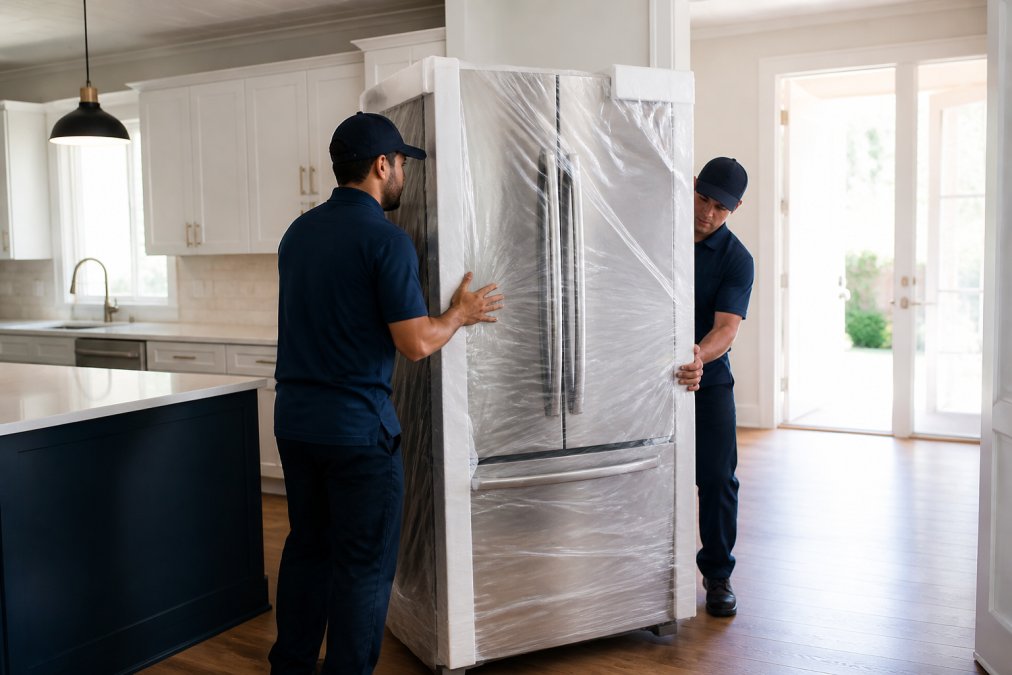
These labels determine pricing and warranty coverage. A certified refurbished unit has undergone testing protocols and typically carries a limited warranty, while a scratch and dent model might only have cosmetic flaws but no mechanical history. When you shop online appliance stores selling refurbished inventory, always confirm which category you're buying and request the specific defect details before checkout.
The key distinction is between factory-authorized refurbishment and third-party repairs. Factory authorized work follows manufacturer standards and uses genuine parts; independent shops vary widely in quality, so verify who performed the restoration.
Where to Find Reliable Refurbished Appliances Online
Your best options are manufacturer outlets, the retailer's own certified pre-owned section, and established e-commerce appliance specialists. Manufacturer outlets offer the strongest warranties because the original brand stands behind the work. Online appliance stores selling refurbished units directly often provide better pricing and faster delivery than third-party marketplaces.
The Federal Trade Commission's guidance on used appliance purchases emphasizes verifying the seller's return policy and warranty terms before committing, since consumer protection laws treat used goods differently than new ones.
When evaluating a seller, look for detailed product photos showing actual condition, clear grading descriptions, and transparent disclosure of any repairs performed. Vague listings that refuse to specify the defect are a warning sign.
Risks of Buying Used Appliances Online and How to Avoid Them
The risks of buying used appliances online center on three areas: hidden damage, shortened lifespan, and warranty gaps. The deeper risk is buying a unit with a known defect history that a seller simply doesn't disclose.
To protect yourself, follow this inspection checklist before any purchase:
- Confirm the unit's age and model year.
- Request the specific reason for return or refurbishment.
- Verify the warranty length and what parts it covers.
- Ask about delivery damage protocols.
- Check that the seller handles installation or provides clear guidance.
A common mistake is assuming all refurbished units are equal. A unit refurbished because the original buyer changed their mind is very different from one repaired after a major component failure. Ask directly what was fixed and whether the repair used OEM parts.
Red Flags That Signal a Bad Refurbished Deal
A checklist alone won't save you from a bad purchase. Watch for these red flags:
- Model recall history. Before you buy, search the model number on the Consumer Product Safety Commission's recall database. A unit that was recalled for a fire risk or electrical fault and then "refurbished" without documented corrective action is a hard pass. This is especially relevant for dehumidifiers, dryers, and space heaters, which have had high-profile recalls in recent years.
- Compressor or sealed system repairs on older units. If a 7-year-old refrigerator needed a compressor replacement, that's a sign the unit may have been through a major failure. Sealed system repairs on older units often don't last because the surrounding components are already worn.
- Vague language about the defect. A seller who says "minor cosmetic wear" but won't specify whether the damage is on the door, the side panel, or the condenser coils is hiding something. Demand unit-specific photos, not stock images.
- No serial number disclosure. A legitimate seller can provide the serial number so you can verify the manufacturing date and check for outstanding recalls. Refusal to share it is a dealbreaker.
- Pressure to buy "as-is." If the listing says "as-is, no returns" or the seller pushes you to complete the purchase before you've had time to verify the warranty terms, walk away. Legitimate refurbished inventory always carries some form of written protection.
How to Verify a Repair Was Done Right
When a seller tells you a unit was repaired, ask for specifics. What failed? What part was replaced? Was it an OEM part or an aftermarket substitute? Who performed the repair, a factory-authorized technician or a third-party shop?
Factory-authorized repairs follow the manufacturer's service manual and use genuine parts. Third-party repairs vary widely in quality; independent shops often replace only the failed component, not the parts that commonly fail next. A thorough refurbisher replaces both.
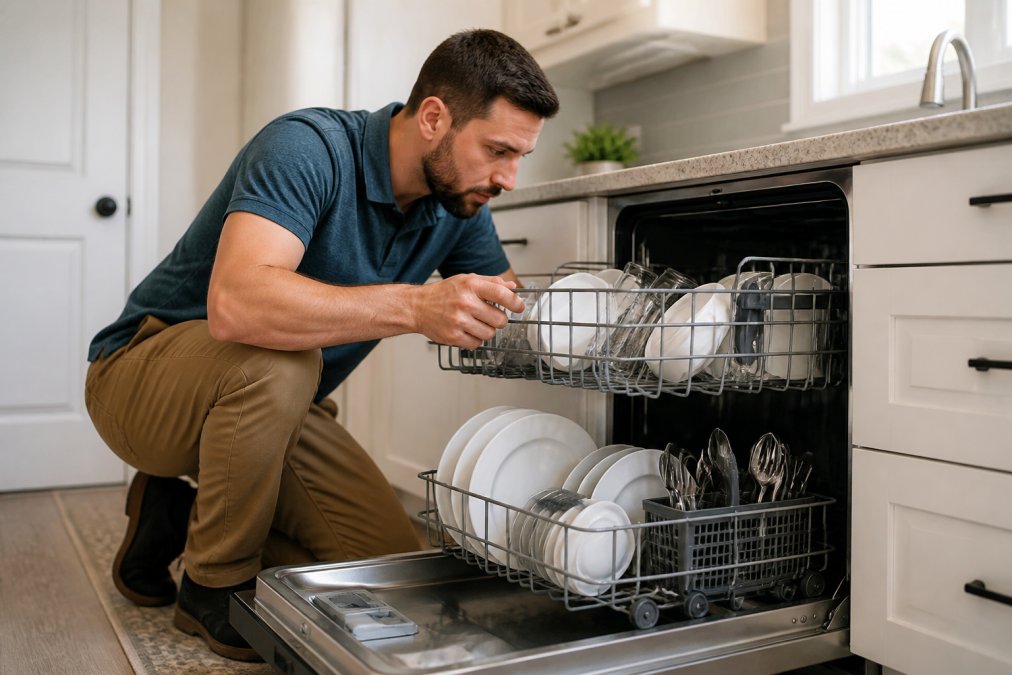
Ask whether the unit was tested after the repair and for how long. A 30-minute bench test is not the same as a full cycle test; for dishwashers and washing machines, a proper refurbishment includes running at least one complete cycle.
The Hidden Cost of an Older Refurbished Unit
A refurbished appliance that's 5 to 7 years old may carry a lower price tag, but it also carries higher energy consumption. An older refrigerator with a failing door seal or a dryer with a worn heating element can cost $50 to $150 more per year in utility bills compared to a current ENERGY STAR model. Factor that annual energy delta over the expected remaining lifespan; in many cases, the newer unit pays for itself within 3 to 4 years.
This is why the cheapest upfront price is rarely the cheapest total cost. A 2-year-old unit with a documented service history and a 1-year warranty is often a better value than a 7-year-old unit with no history and a 90-day warranty, even if the older unit costs $200 less.
The Delivery Damage Trap
Delivery damage is one of the most common failure points in online refurbished appliance purchases. A unit that passed inspection at the warehouse can arrive damaged because of rough handling during transit. Before you order, confirm the seller's delivery damage protocol: do they require you to note damage on the delivery receipt, and do they offer replacement or repair for transit damage? Some sellers cap liability at a partial refund, leaving you with no recourse.
White-glove delivery with installation is a significant advantage: the team can inspect the unit on arrival, confirm it's level, and test that it powers on before they leave. Curbside delivery shifts all that responsibility to you, and proving damage after the driver leaves is difficult.
What a Certified Refurbished Appliance Warranty Should Cover
A certified refurbished appliance warranty should cover parts and labor on major functional components for at least ninety days, with extended coverage available on sealed systems like compressors. The warranty is your primary protection against the risks of buying used appliances online, so read the fine print carefully.
Look for coverage that includes the compressor, motor, control board, and internal wiring. Cosmetic issues are typically excluded, which is acceptable since those don't affect performance. The warranty should also specify who performs repairs and whether you pay for shipping or service calls.
Consumer Reports advice on extended warranties for appliances suggests weighing the warranty cost against the appliance's price, since coverage that adds more than ten percent to your total may not be worth it on an already discounted item.
How to Judge Scratch and Dent Appliance Deals
Scratch and dent appliance deals are the best value in the used market when the damage is purely cosmetic. A dent on the side of a refrigerator that sits against a cabinet is invisible once installed, yet it can reduce the price substantially.
Evaluate the damage location and severity before purchasing. Damage on front, top, or door surfaces will be visible daily; damage on sides, backs, or bottoms rarely matters. Confirm the damage is cosmetic only and hasn't compromised door seals, hinges, or internal components.
| Condition Grade | Typical Damage | Performance Impact | Best For |
|---|---|---|---|
| Certified Refurbished | None visible, restored | Full performance | Buyers wanting warranty protection |
| Scratch and Dent | Cosmetic only | Full performance | Budget-focused shoppers hiding units |
| Open-Box | Light use marks | Full performance | Those wanting near-new condition |
The real question is whether the discount justifies the visible imperfection. If a scratch and dent model costs only marginally less than a pristine unit, the deal isn't worth it; when savings are substantial and damage is hidden, these deals deliver exceptional value.
Delivery, Returns, and Red Flags to Watch For
Delivery logistics often make or break the online refurbished experience. Before ordering, confirm whether the seller offers white-glove delivery with installation and old-unit removal, or curbside drop-off only. Measure your doorways, hallways, and kitchen opening before the unit arrives to avoid an expensive return.
Return policies are the single most important red flag to watch for. When you ask are online appliance stores selling refurbished units trustworthy, the answer often hinges on whether they offer at least a fourteen-day return window with clear restocking fee disclosure. Be wary of sellers who require you to pay return shipping on a defective unit or cap liability at a partial refund.
Other red flags include stock photos instead of unit-specific images, pressure to buy "as-is" without inspection, and reluctance to provide the unit's serial number or service history. A seller who stands behind their inventory will answer these questions directly.
Making the Call: Is Buying Refurbished Online Right for You?
Buying refurbished online makes sense if you're flexible on cosmetic condition, comfortable with a shorter warranty, and willing to do basic measurement and delivery planning. It's the wrong choice if you need a specific model immediately, demand a perfect finish, or want the longest possible lifespan.
The decision framework comes down to three factors: your budget, your timeline, and your tolerance for imperfection. If you need a washer and dryer set this week because yours just failed, paying full price for new units with immediate delivery may be worth the premium. If you're renovating and can wait, the savings can free up hundreds of dollars for other upgrades.
The Energy Efficiency Math Most Buyers Skip
ENERGY STAR guidance on appliance efficiency and lifecycle reminds buyers that older refurbished units may consume more energy than current models, so factor long-term utility costs into your comparison. A slightly higher upfront price for a newer, more efficient unit can pay for itself over the appliance's lifecycle.
Here's how to run the numbers before you buy:
- Find the unit's estimated annual energy cost. Look for the EnergyGuide label on the listing or search the model number on the manufacturer's website. This gives you a dollar figure for annual electricity use.
- Compare against a current ENERGY STAR model. The difference in annual energy cost between a 5-year-old refrigerator and a new ENERGY STAR model is often $40 to $80 per year. For a clothes dryer, the gap can be larger because older dryers lack moisture sensors that automatically shut off when clothes are dry.
- Multiply the annual difference by the expected remaining lifespan. If a refurbished unit has 5 years of useful life left and costs $60 more per year in electricity than a new model, that's $300 in hidden cost. Subtract that from the upfront savings to get the true discount.
A common pattern is that a refurbished unit priced at 40% off retail is actually only 25% to 30% cheaper than new once you account for higher energy use and a shorter remaining lifespan. That's still a meaningful discount, but it changes the calculus when comparing against a 0% financing offer on a new unit.
Financing and Payment Options for Refurbished Inventory
One question buyers rarely ask is whether standard retail financing applies to refurbished and outlet inventory. Some online appliance stores selling refurbished units offer the same 12-month or 24-month financing plans they extend on new appliances; others treat outlet stock as a separate category with stricter terms or no promotional financing.
Before you commit, ask the seller directly:
- Does the store's standard financing apply to this refurbished unit?
- Is there a minimum purchase amount for promotional financing?
- Are there any fees for using a store credit card on outlet items?
If the seller offers 0% APR for 12 months on new units but only 6 months on refurbished, that changes your monthly payment calculation. A $700 refurbished refrigerator financed over 6 months at 0% costs about $117 per month; the same unit over 12 months at 18% APR costs about $64 per month but adds roughly $60 in interest. Factor that into your total cost comparison.
Maintenance and Longevity: How to Protect Your Investment
A refurbished appliance can last as long as a new one if you maintain it properly, but since a refurbished unit may already have some wear, your maintenance routine matters more. Here's what extends its life:
- Clean the condenser coils on refrigerators every 6 months. Dust buildup forces the compressor to work harder, which shortens its life. This is the single most common cause of premature refrigerator failure.
- Run a cleaning cycle on dishwashers monthly. Food debris and hard water scale can clog the spray arms and damage the pump over time. A monthly cycle with a dishwasher cleaner keeps the internals clear.
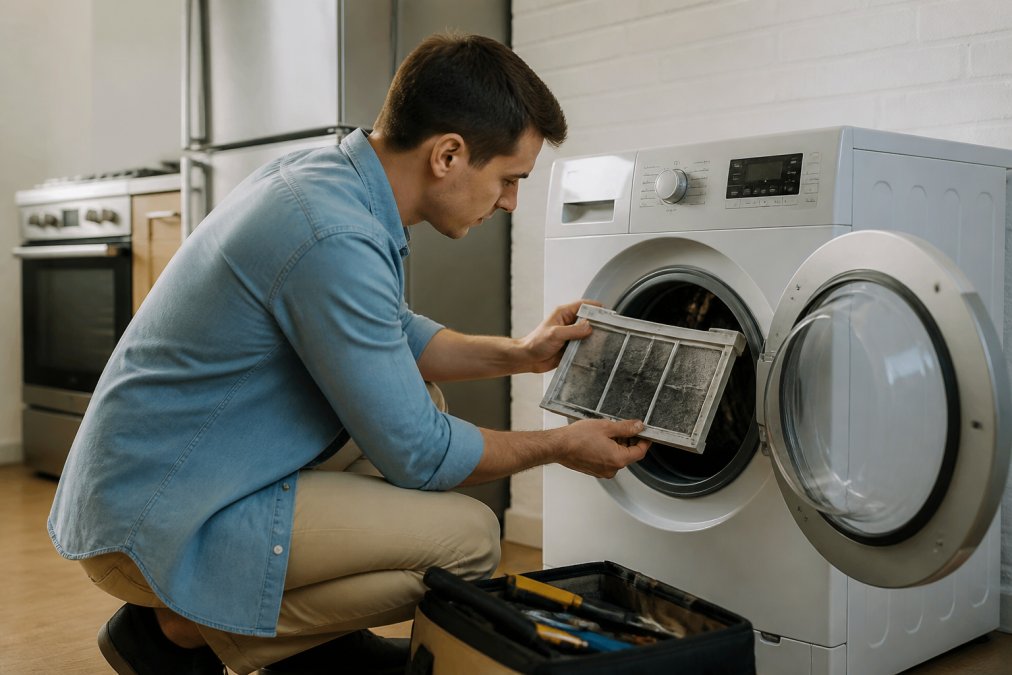
- Check and replace dryer vent hoses annually. Lint buildup restricts airflow, which causes the heating element to overheat and fail. This is both a longevity issue and a fire risk.
- Level your washing machine. An unbalanced washer puts stress on the bearings and suspension, which are common failure points on refurbished units. Check the level monthly and adjust the feet as needed.
- Replace water filters on schedule. A clogged filter on a refrigerator or ice maker forces the water valve to work harder and can lead to leaks.
The Final Decision Framework
Run this quick calculation before you click buy:
- Upfront price of the refurbished unit.
- Plus estimated annual energy cost × expected remaining lifespan.
- Plus any financing interest you'll pay.
- Minus the same energy and financing costs for a comparable new unit.
If the refurbished unit's total cost of ownership is at least 25% to 30% below the new unit, it's a solid deal. If the gap is smaller, the new unit's longer warranty and fresher components make it the better value.
For most households, the sweet spot is a certified refurbished unit from a reputable online appliance store selling refurbished inventory with a solid warranty, transparent return policy, and documented energy usage. You get reliable performance at discounted pricing, backed by protections that make the purchase feel far less risky than a private-party secondhand deal.
Frequently Asked Questions
How can you tell if an appliance is truly refurbished or just used?
A truly refurbished appliance has been inspected, repaired, and tested by a professional, often following factory standards. Look for terms like "factory authorized" or "certified refurbished" and ask about the specific testing protocols performed. A genuine refurbisher will provide a report or clear documentation of what was fixed. If a seller cannot explain what was done to the unit or calls it "as-is," you are likely looking at a used appliance without refurbishment, which carries higher risk.
Do refurbished appliances come with a manufacturer warranty?
Rarely. The original manufacturer warranty usually does not transfer to refurbished units. Instead, the refurbisher or the online store typically provides a certified refurbished appliance warranty. This limited warranty usually covers parts and labor for a set period, often 90 days to one year. Before buying, confirm who backs the warranty, what it covers, and whether you must pay return shipping. A store that hesitates to explain its warranty terms is a red flag.
What is the 50/50 rule for appliances?
The 50/50 rule is a practical guideline suggesting you should not spend more than half the price of a new appliance on a used or refurbished one. If the discounted price is close to what you would pay for a brand-new model with a full manufacturer warranty, the savings may not justify the added risk. For scratch and dent appliance deals, cosmetic damage can make a larger discount acceptable since the mechanics are often new.
Is it better to buy appliances online or in store?
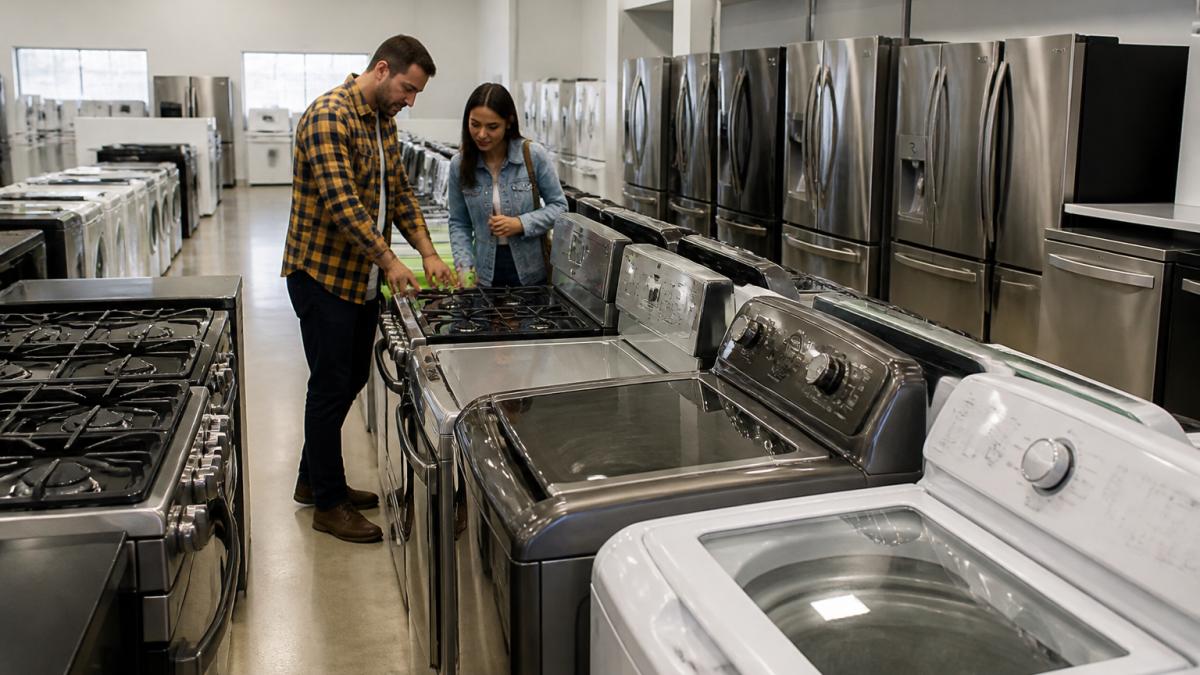
Online stores often offer wider inventory, better discounted pricing, and direct delivery to your door. The trade-off is that you cannot inspect the unit before purchase, so return policies and delivery services matter more. In-store shopping lets you see the appliance, but local showrooms rarely stock deep refurbished inventory. The better choice depends on your comfort with the store's warranty, return policy, and inspection process.
Refurbished appliances reward shoppers who do their homework. The savings are real, but they depend on understanding grading systems, demanding proper warranties, and verifying delivery logistics before you commit. At Fast Appliances LLC, we carry a wide variety of washers, dryers, refrigerators, stoves, and more, with clear product details and helpful support so you can shop with confidence. Get started with Fast Appliances LLC and find the right appliance for your home without the guesswork.