 listicle
Signs Your Refrigerator Needs Replacing in 2026
Table of Contents
- Signs Your Refrigerator Needs Replacing
- Average Refrigerator Lifespan and When to Replace
- Signs of a Failing Refrigerator Compressor
- Refrigerator Repair vs Replace Cost: Making the Right Call
- Environmental Impact of Replacement and Recycling
- Smart Refrigerator Diagnostic Codes Explained
- How to Extend Your Refrigerator's Life
- Frequently Asked Questions
Last Updated: August 16, 2026
Signs Your Refrigerator Needs Replacing
Your refrigerator runs 24/7 to maintain consistent temperatures and protect your food. When it starts to fail, early warning signs, strange noises, puddles, temperature fluctuations, add up quickly. Recognizing these indicators can save you money, prevent food waste, and avoid unexpected breakdowns.
At Fast Appliances LLC, we help homeowners understand when repair makes sense and when replacement is the smarter financial move. The difference often comes down to the unit's age, repair cost, and how long you plan to stay in your home. Below are the most common indicators your refrigerator is reaching the end of its useful life.
Unusual or Loud Noises
A working refrigerator produces a consistent hum from the compressor, evaporator fan, or ice maker. These are normal background sounds.
Unusual noises signal trouble. A loud grinding sound often indicates a failing evaporator or condenser fan motor. Rattling may mean loose components or a struggling compressor. Clicking sounds can suggest thermostat malfunction. Buzzing or unusually loud humming suggests the compressor is overworking.
If the noise is new, getting louder, or accompanied by temperature fluctuations, investigate immediately. Many refrigerator problems announce themselves through sound before causing visible damage.
Food Spoiling Prematurely
When food spoils faster than expected, your refrigerator isn't maintaining proper temperature. Fresh vegetables wilt in days instead of weeks. Milk expires early. Leftovers mold within 48 hours.
This happens because cooling performance is degrading. The compressor may run constantly without reaching the target temperature, or evaporator coils may be frosted over, restricting airflow. Premature spoilage is expensive, you're throwing away food and money simultaneously.
Test this by placing a thermometer in your fridge for a few hours. Your refrigerator should maintain between 35°F and 38°F. If it's consistently warmer despite the compressor running, the system isn't cooling efficiently. This is one of the clearest signs your refrigerator needs replacing, especially combined with other symptoms.
Excessive Frost or Ice Buildup
A thin layer of frost on evaporator coils is normal. Excessive frost on interior walls, shelves, or the evaporator fan means the defrost cycle isn't working properly.
Your refrigerator's defrost cycle periodically melts frost from the evaporator coils. If the defrost heater, thermostat, or timer fails, frost accumulates, restricting airflow and reducing cooling efficiency. The compressor works harder, consuming more energy and declining in performance.
You'll notice ice crystals on food, frost coating interior walls, or ice buildup in the freezer. When the defrost cycle finally engages, water may leak inside or pool at the bottom, a sign multiple components may be failing simultaneously.
Compressor Running Constantly
The compressor cycles on and off throughout the day as temperature fluctuates. If it runs constantly without cycling off, the system is struggling to maintain temperature.
This happens due to low refrigerant from a leak, a failing thermostat, dirty condenser coils, or a compressor nearing the end of its lifespan. Constant cycling means your refrigerator is working at maximum capacity just to maintain basic cooling.
Listen for the compressor sound (rhythmic humming from the back or bottom). If you hear it running continuously for hours without stopping, that's abnormal. A compressor that never rests will fail sooner rather than later. This is one of the most reliable signs your refrigerator needs replacing, especially if the unit is more than 10 years old.
Increased Energy Bills
Your refrigerator accounts for a significant portion of your home's electricity consumption. When cooling performance drops, the compressor compensates by running longer and harder, and your energy bill climbs.
Monitor your utility bills over several months. If consumption is rising steadily and your usage patterns haven't changed, an aging refrigerator is likely the culprit. Compare current usage to your first year of ownership; significantly higher consumption indicates degraded efficiency.
Hot Exterior Cabinet Sides
When the sides of your refrigerator cabinet are warm or hot to the touch, the condenser coils are working overtime. Some warmth is normal, but if the sides are too hot to hold your hand comfortably, the heat dissipation system is failing.
This usually means dirty condenser coils, a failed condenser fan, or a compressor at maximum capacity. The exterior heat indicates internal cooling efficiency is compromised. This symptom often appears alongside constant compressor cycling or temperature fluctuations.
Water Leaks or Puddles
Water pooling inside your refrigerator or underneath it signals a drainage problem. Your refrigerator has a defrost drain that channels condensation and melted frost away from the interior. When this drain clogs or freezes, water backs up.
Common causes include a frozen or blocked drain line, a clogged drain pan, or a malfunctioning water dispenser. Water leaks can cause mold growth, damage to kitchen flooring, and electrical hazards if water reaches the compressor or electrical components.
Damaged Door Seals or Gaskets
The rubber gasket that seals your refrigerator door is critical. When it fails, warm air leaks in, forcing the compressor to work harder. A damaged door seal is one of the most common reasons refrigerators lose efficiency.
Inspect the gasket by closing the door on a dollar bill. If you can pull the bill out easily without resistance, the seal is compromised. Check for visible cracks, brittleness, or areas where the gasket has separated from the door frame.
A failing gasket is sometimes repairable, you can often replace just the gasket without replacing the entire door. But if gasket failure is accompanied by other signs (constant compressor cycling, temperature fluctuations, frost buildup), it's likely one of multiple failing components, making replacement more sensible than repair.
Average Refrigerator Lifespan and When to Replace
Most refrigerators last between 10 and 18 years, depending on brand, model, usage patterns, and maintenance. A well-maintained refrigerator in a climate-controlled home might reach 18 years. One in a garage or rarely cleaned might fail at 10 years.
Energy efficiency standards have improved dramatically. Newer refrigerators use significantly less energy than models from 10+ years ago. If your refrigerator is approaching or past the 12-year mark and showing signs of failure, replacement is almost always more cost-effective than repair.
Your decision should factor in repair cost, unit age, how long you plan to stay in your home, and the energy efficiency of a replacement. A $500 repair on a 15-year-old refrigerator is usually a poor investment. That same repair on a 5-year-old refrigerator might be justified.
Fast Appliances LLC carries a wide variety of refrigerators, making it easy to compare replacement options.
Signs of a Failing Refrigerator Compressor
The compressor is the most expensive component to replace. It's the reason many people choose replacement over repair when the compressor fails.
A failing compressor typically shows these signs: constant cycling without achieving temperature, unusually loud humming or grinding noises, the compressor not starting at all, or starting briefly then stopping. You might also notice the refrigerator is cold but the freezer isn't, or vice versa, a sign the compressor isn't distributing refrigerant properly.
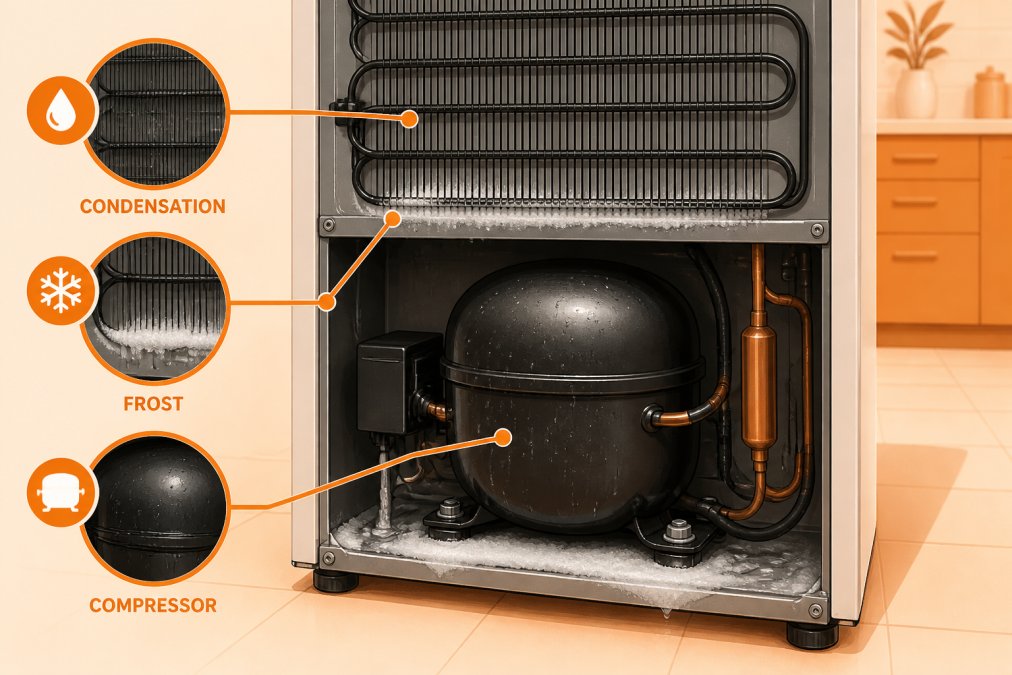
Listen carefully to the back of the refrigerator. A healthy compressor produces steady, rhythmic humming. A failing compressor might hum loudly, click repeatedly, or produce grinding noises. Some fail completely and produce no sound at all.
Compressor replacement typically costs between $300 and $1,000, including parts and labor, though it can sometimes be higher depending on the brand, model, and age of the refrigerator. This is often more than a new budget-friendly refrigerator, making replacement the logical choice for most homeowners.
Refrigerator Repair vs Replace Cost: Making the Right Call
The decision between repair and replacement comes down to three factors: repair cost, refrigerator age, and expected lifespan remaining.
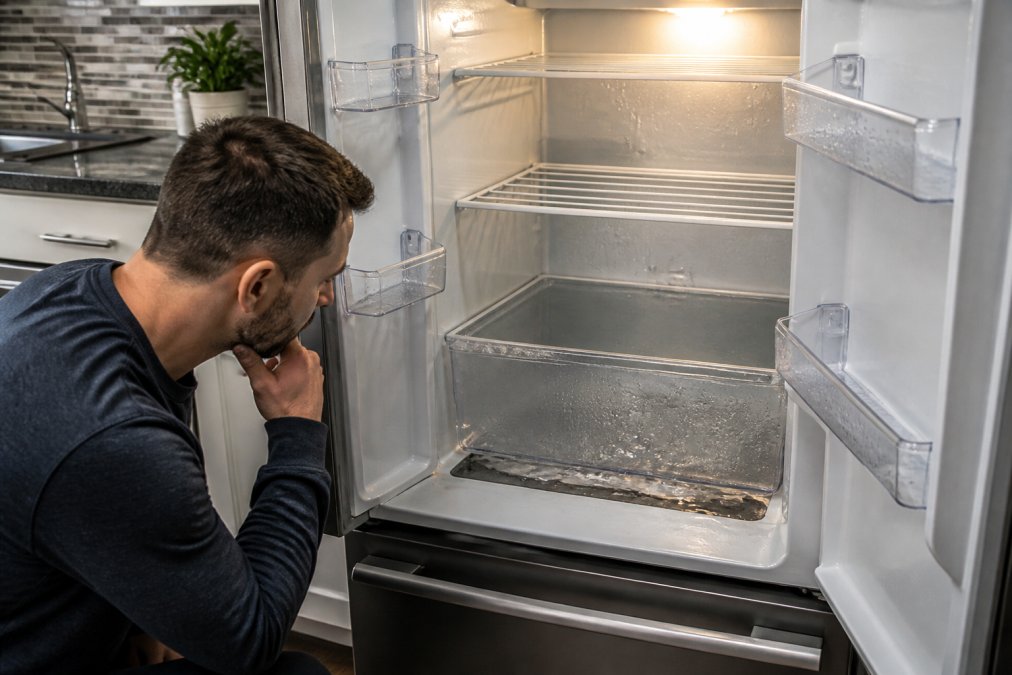
Use this framework to guide your decision:
| Refrigerator Age | Repair Cost Under $300 | Repair Cost $300-$600 | Repair Cost Over $600 |
|---|---|---|---|
| Under 7 years | Repair | Repair | Repair |
| 7-12 years | Repair | Consider replacing | Replace |
| Over 12 years | Consider replacing | Replace | Replace |
A refrigerator under 7 years old is usually worth repairing, even if expensive. A refrigerator over 12 years old is rarely worth major repair; the next failure is likely coming soon.
The middle ground (7-12 years, $300-$600 repair) requires judgment. If your refrigerator has been reliable and well-maintained, repair might make sense. If it's had multiple issues or you're planning to move within a few years, replacement is smarter.
A new refrigerator will be significantly more energy-efficient than an older model. Monthly energy savings might offset the replacement cost over time. Fast Appliances LLC can help you find a replacement that fits your budget and kitchen space.
Environmental Impact of Replacement and Recycling
When you replace a refrigerator, the old unit needs proper disposal. Refrigerators contain refrigerant gases that damage the ozone layer if released into the atmosphere, plus oils and foam insulation requiring proper handling.
The EPA regulates refrigerator disposal and recycling. Federal law requires that all refrigerant be recovered prior to dismantling or disposal. Most retailers offer haul-away and recycling programs when you purchase a replacement.
Recycling your old refrigerator is responsible. Metal, plastic, and glass components are recovered and reused. Refrigerant is safely captured and either reused or destroyed in a controlled process. Many recycling programs are free or low-cost, especially when paired with a new appliance purchase.
A newer refrigerator also reduces your environmental footprint. Modern refrigerators use up to 75% less energy than models from 20 years ago. Over the refrigerator's lifespan, energy savings often outweigh the environmental cost of manufacturing a new unit.
Smart Refrigerator Diagnostic Codes Explained
Many modern refrigerators display diagnostic codes when something goes wrong. These codes help technicians identify problems quickly. If your refrigerator displays a code, you can often look it up in the user manual or search online for the specific model.
Common diagnostic codes include temperature sensor errors (usually "SE" or "SN"), compressor issues ("CE" or "CP"), and door sensor problems ("dE" or "DE"). Some refrigerators display codes like "PF" for power failure or "IF" for ice maker malfunction.
If your refrigerator displays a diagnostic code and you're unsure what it means, consult the manufacturer's documentation or contact a service provider. Smart refrigerators can also send alerts to your phone when they detect problems, helping you address issues before they become catastrophic.
How to Extend Your Refrigerator's Life
Preventative maintenance can add years to your refrigerator's lifespan. Regular cleaning and simple checks keep components functioning properly.
Clean the condenser coils every six months. Dust and pet hair accumulate on these coils, reducing heat dissipation and forcing the compressor to work harder. Most condenser coils are located on the back or bottom. Unplug the unit, vacuum the coils gently, and plug it back in.
Check the door gasket monthly by closing the door on a dollar bill. If the bill pulls out easily, the gasket needs replacement. Keep the interior organized and avoid blocking vents with food. Proper airflow is essential for consistent cooling.
Ensure the refrigerator is level. If it tilts slightly forward, condensation drains properly. If tilted backward, water pools inside. Use a level to check and adjust the front legs if needed.
Vacuum around the refrigerator to keep dust away from the compressor and condenser. Keep the temperature set between 35°F and 38°F. Colder settings don't preserve food better but force the compressor to work harder and fail sooner.
Knowing when your refrigerator needs replacing saves you money, prevents food waste, and eliminates frustration from unexpected breakdowns. If your refrigerator shows multiple signs of failure, constant cycling, temperature fluctuations, unusual noises, or water leaks, replacement is likely the right call. Fast Appliances LLC offers a wide selection of reliable refrigerators designed to keep your food fresh while minimizing energy consumption. When you're ready to replace your aging refrigerator, explore our options and find a model that fits your kitchen and budget perfectly.
Frequently Asked Questions
What is the average lifespan of a refrigerator?
Most refrigerators last between 10 and 15 years with proper maintenance. However, the exact lifespan depends on usage, brand quality, and how well you maintain it. Units reaching 10 years old experience more frequent repairs, and replacement often becomes more cost-effective than continued repair attempts. If your refrigerator is approaching or past the 10-year mark and showing multiple warning signs, replacement is typically the smarter investment.
How do I know if my refrigerator compressor is failing?
A failing compressor typically produces loud humming, buzzing, or clicking sounds that don't stop. You may notice the compressor cycles on and off constantly without maintaining temperature, causing food to spoil or ice to form excessively. The exterior cabinet may feel unusually hot, and your energy bills will spike noticeably. If the compressor won't start at all, the refrigerator won't cool. These are clear signs of a failing compressor that usually warrants replacement rather than repair.
Is a 7-year-old refrigerator worth fixing?
Whether to repair a 7-year-old refrigerator depends on the repair cost and the specific issue. If the repair costs less than 50% of a new unit's price and the refrigerator is otherwise reliable, repair makes sense. However, if multiple systems are failing (compressor, door gasket, water dispenser), replacement is often smarter. At 7 years, you're nearing the midpoint of typical appliance lifespan, so consider how many more years you plan to stay in your home and whether you can afford another major repair soon.
What should I do if my refrigerator shows multiple warning signs?
If your refrigerator displays several warning signs, such as loud noises, temperature fluctuations, visible leaks, and high energy consumption, schedule a professional diagnostic to determine repair costs. Compare that estimate against the price of a new unit with a warranty. If your refrigerator is over 8 years old, replacement typically offers better long-term value. Fast Appliances LLC offers a wide selection of reliable replacement options with convenient delivery and competitive pricing to fit your budget.
This article was written using GrandRanker