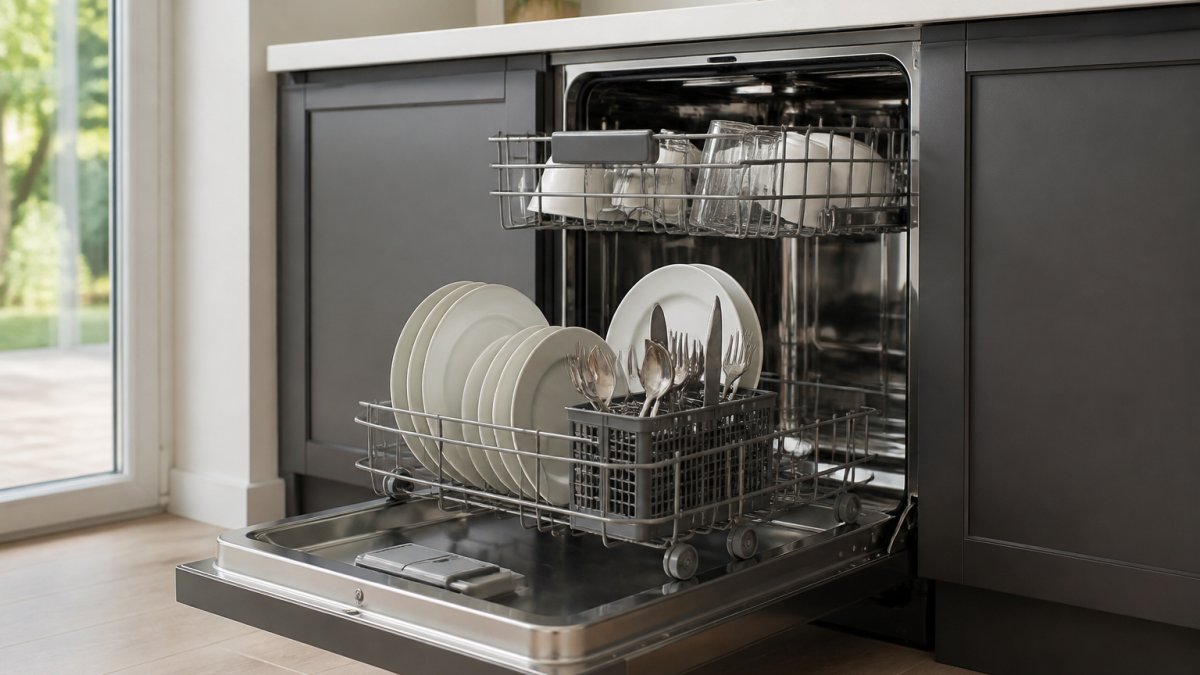
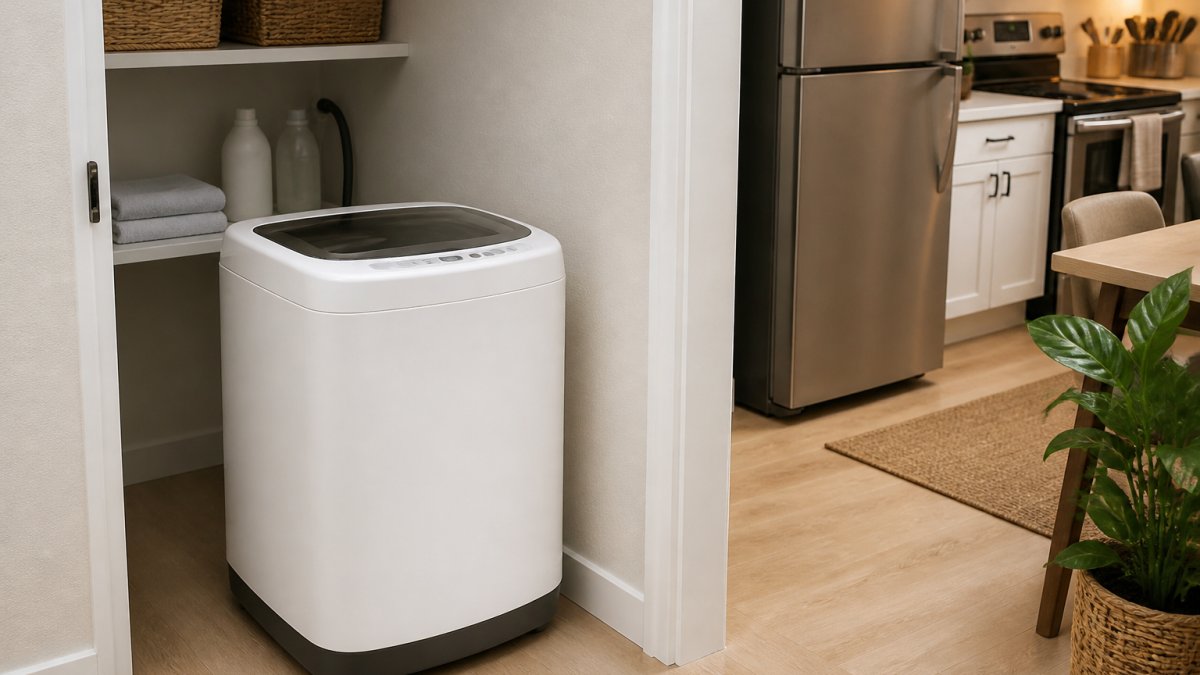
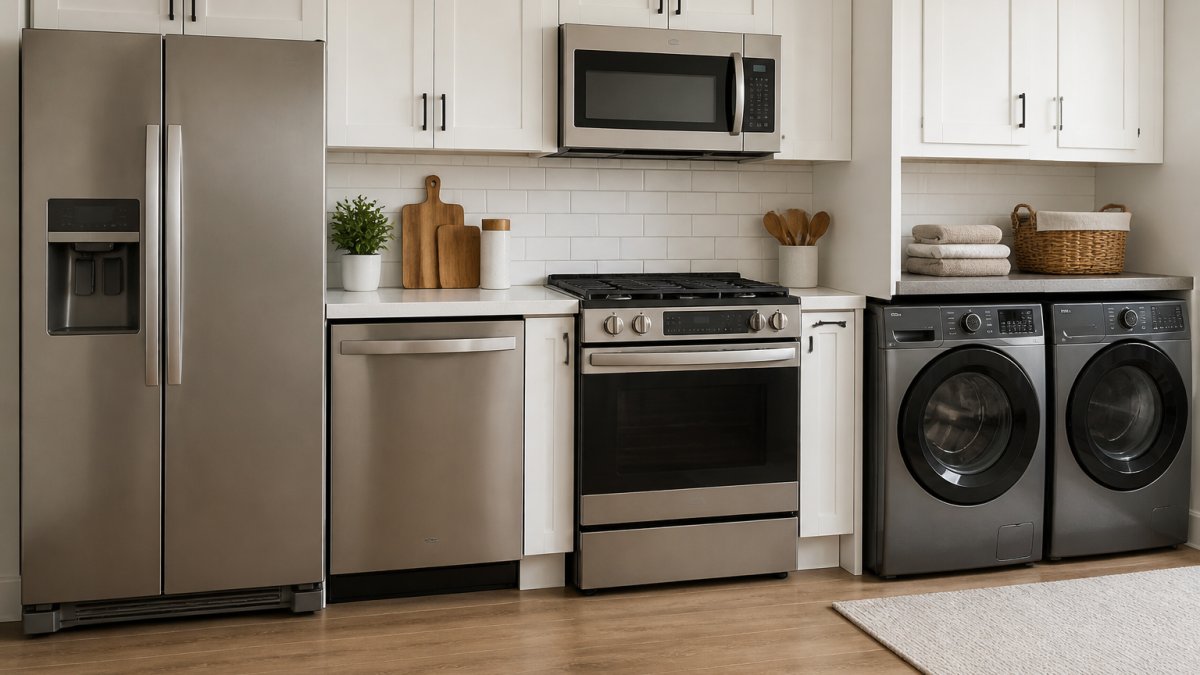
 listicle
Best Budget Friendly Appliance Sets 2026: Top Picks
Table of Contents
- Why Budget Appliance Sets Make Sense in 2026
- What's Included in Affordable Kitchen Appliance Packages
- Best Appliance Bundles for Every Budget and Household
- Kitchen Appliance Package Cost: What Drives the Price
- How to Choose Kitchen Appliances That Fit Your Space
- Bundle vs. Buying Individually: Which Saves More?
- Hidden Costs: Delivery, Installation, and Warranty
- Frequently Asked Questions
Last Updated: October 17, 2026
Why Budget Appliance Sets Make Sense in 2026
A budget-friendly appliance set is a matched group of core home appliances bought together at a lower total cost than purchasing each unit separately.
The trade-off most guides skip: a bundle saves money only if every unit fits your space and habits. A cheap package with a range you never use, or a refrigerator that crowds your walkway, is not a bargain.
What's Included in Affordable Kitchen Appliance Packages
An affordable kitchen appliance package typically includes a refrigerator, a range or oven, and a dishwasher, with a microwave or over-the-range hood added in many bundles. Read the itemized list before you buy.
Most packages fall into a few common layouts:
- Three-piece set: refrigerator, range, dishwasher
- Four-piece set: adds an over-the-range microwave
- Laundry pair: front-load or top-load washer plus matching dryer
A standard budget suite, as described by The Appliance Wizard's 2026 buyer's guide, often pairs a standard refrigerator, a coil or radiant electric range, and a dishwasher with a basic wash cycle.
Best Appliance Bundles for Every Budget and Household
The best appliance bundle matches your household size, cooking habits, and available space, not simply the lowest price tag. Below are three practical set blueprints, each with the itemized pricing you should expect on a 2026 quote.
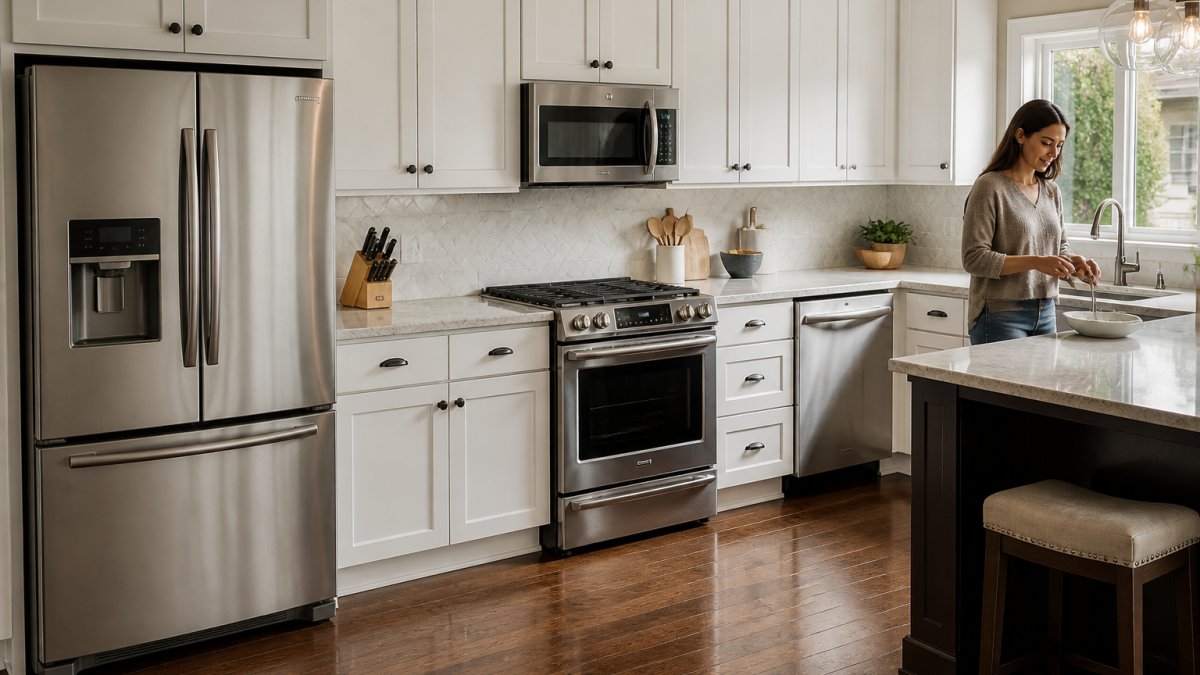
The Starter Kitchen Set
Best for first-time homebuyers, small households, and rental units where the goal is reliable essentials rather than features. A typical starter set pairs a standard-depth top-freezer refrigerator (around 18-20 cu. ft.), a basic electric coil or radiant range (30 in.), and a standard 24 in. dishwasher.
- Refrigerator: top-freezer, 18-20 cu. ft., standard depth, roughly $700-$1,000
- Range: 30 in. electric coil or radiant, four burners, roughly $500-$750
- Dishwasher: 24 in., standard racking, 50-55 dBA, roughly $400-$600
What you give up: quieter wash cycles, precise oven temperature control, and the deeper door bins and adjustable shelving of larger refrigerators. What you keep: matching finish, a single delivery window, and a lower combined price.
The Family Kitchen Set
Built for households that cook daily and shop in bulk. This set steps up to a larger-capacity refrigerator (24-26 cu. ft., often side-by-side or French-door), a range with more burner power and a convection oven, and a quieter dishwasher (44-48 dBA) with a third rack.
- Refrigerator: side-by-side or French-door, 24-26 cu. ft., roughly $1,400-$2,200
- Range: 30 in. electric or gas with convection, roughly $800-$1,300
- Dishwasher: 24 in., third rack, 44-48 dBA, roughly $650-$950
Extra capacity and performance matter more than a fancy finish when feeding a family. Confirm the refrigerator's door swing clears your walkway before you fall in love with a French-door model, the wider swing is the most common fit surprise in this tier.
The Laundry Pair
A front-load washer and matching dryer bought together is the laundry-room equivalent of a kitchen bundle. The pair typically costs less than two separate units, and the matched finish keeps the room looking intentional.
- Washer: front-load, 4.0-4.5 cu. ft., roughly $700-$1,000
- Dryer: matching electric or gas, 7.0-7.4 cu. ft., roughly $650-$950
- Pair total: commonly lands near $1,350-$1,950 as a pair, versus roughly $1,500-$2,200 purchased separately
Check drum capacity against your typical load size: a 4.0 cu. ft. washer handles a queen comforter; a 4.5 cu. ft. model handles a king. Also confirm whether your laundry space is set up for electric or gas drying, the pair price does not include venting or hookup work.
How to Pick the Right Set for Your Household
Use these rules of thumb to narrow the three blueprints above:
- One or two people, cooking a few times a week: Starter Kitchen Set. You will not use the extra capacity, and the savings fund the delivery and installation fees.
- Three or more people, cooking most nights: Family Kitchen Set. The larger refrigerator and quieter dishwasher pay off daily.
- Replacing a failed appliance only: buy individually rather than bundling, the package discount rarely beats a single replacement.
Budget shoppers often overspend on the refrigerator and underspend on the dishwasher. The dishwasher runs more often, and its noise level affects daily life more than an extra cubic foot of refrigerator space. If you must choose where to spend, spend on the dishwasher's quiet rating and the range's oven consistency.
Kitchen Appliance Package Cost: What Drives the Price
Kitchen appliance package cost depends on the number of units, the finish, the capacity, and the feature set, not the brand name alone. Two packages with the same three appliances can land far apart in price. The sticker price is only the first number: the budget set that wins on day one can lose over ten years if it uses more energy, needs more repairs, or carries a shorter warranty.
The biggest price drivers are:
- Finish: stainless steel and custom panel-ready fronts cost more than standard white or black. A stainless upgrade across a three-piece set can add to the cost versus the same set in white.
- Capacity: larger refrigerators and higher-capacity washers raise the total. Moving from a 20 cu. ft. top-freezer to a 26 cu. ft. French-door can add to the package cost.
- Features: ice makers, induction cooktops, convection ovens, and smart controls add cost. An ice maker alone is often an additional line item; induction adds to the cost over a coil range.
A Realistic Budget Breakdown
For a three-piece kitchen package (refrigerator, range, dishwasher), the itemized budget tiers look roughly like this:
| Tier | Refrigerator | Range | Dishwasher | Package Total |
|---|---|---|---|---|
| Entry | $700-$1,000 | $500-$750 | $400-$600 | $1,600-$2,350 |
| Mid | $1,400-$2,200 | $800-$1,300 | $650-$950 | $2,850-$4,450 |
| Upper-budget | $2,200-$3,000 | $1,300-$1,800 | $950-$1,300 | $4,450-$6,100 |
These figures reflect common 2026 retail pricing for budget and mid-tier packages; they are planning benchmarks, not live quotes. Confirm current totals with the seller. The widely cited $9,000-$15,000 range for "stylish" kitchen packages reflects premium finishes and built-in refrigeration, not the budget tier this guide covers.
Total Cost of Ownership: The Number Most Guides Skip
Purchase price is only the first cost. Over ten years, three additional costs separate a true budget set from a cheap one:
- Energy and water use: A refrigerator that meets current federal efficiency standards typically uses 350-600 kWh per year; an older or less efficient model can use 50% more. At a typical residential electricity rate, that difference can add up over time. A dishwasher's annual energy and water cost commonly runs $30-$60. Look for the yellow EnergyGuide label on every unit and compare estimated annual operating cost, not just purchase price.
- Expected maintenance and repairability: Simpler appliances with fewer electronic controls generally cost less to repair. A basic coil range has fewer failure points than an induction range with a touch control board. Ask whether replacement parts are stocked domestically and whether the manufacturer publishes a repair guide; brands that support DIY repair tend to have lower long-term costs.
- Warranty coverage: A standard one-year manufacturer warranty covers parts and labor; some brands extend the sealed refrigeration system to five years or more. Compare the warranty length and what it excludes, cosmetic damage and labor are common exclusions. A set with a longer sealed-system warranty is worth a modest premium for budget shoppers.
Fit and Installation Costs to Budget Beyond the Package
A package price rarely includes the work required to make the appliances fit and function. Budget for these line items separately:
- Electrical: An electric range needs a 240-volt circuit; a gas range needs a gas line and proper ventilation. If your kitchen is not already configured, an electrician or plumber may charge for the hookup.
- Ventilation: An over-the-range microwave or hood needs ducting or a recirculating configuration. Ducting work can add to the cost depending on the path to the exterior.
- Water and drain: A dishwasher needs a nearby water supply and drain; relocating them adds plumbing cost.
Shoppers often budget the package total and then get surprised by additional delivery, installation, and hookup costs. Add that range to your budget before you compare packages, and the set that looked $200 cheaper may actually be the more expensive choice.
How to Choose Kitchen Appliances That Fit Your Space
Choosing kitchen appliances starts with measurements, not brand names. Get the numbers right first, and the rest gets easier.
Follow this checklist before you shop:
- Measure the width, height, and depth of every appliance opening
- Add clearance for doors, drawers, and ventilation
- Confirm the refrigerator type your layout allows: standard-depth, counter-depth, top-mount, or side-by-side
Finish is the second decision. Matching appliances in one finish, whether stainless steel or another option, make a kitchen look deliberate. Pick the finish first, then filter your package options to match.
Bundle vs. Buying Individually: Which Saves More?
Buying a bundle usually saves money over purchasing each appliance separately, because retailers price the combined set below the sum of its parts. The savings come from package pricing and promotions, not lower-quality units.
| Approach | Upfront Cost | Convenience | Best For |
|---|---|---|---|
| Appliance bundle | Lower combined price | One order, matched finish | Full kitchen or laundry refresh |
| Buying individually | Higher total | Pick each unit freely | Replacing one broken appliance |
| Mix and match | Varies | Some coordination needed | Specific feature needs |
Buying individually makes sense when only one appliance has failed. A bundle wins when outfitting a new home, renovating, or replacing several units at once. Mixing and matching lets you chase a specific feature, but you lose the package discount and risk mismatched finishes.
Hidden Costs: Delivery, Installation, and Warranty
The final price of an appliance set includes more than the units. Delivery, installation, haul-away, and warranty coverage all affect your total cost of ownership.
Ask these questions before checkout:
- Does delivery include bringing the unit inside, or curbside only?
- Is installation included, or charged per appliance?
- Will the retailer haul away your old units, and at what cost?
Warranty and returns deserve real attention: a set is only a good deal if the seller stands behind it.
Budget-friendly appliance sets reward buyers who plan before they shop. Measure your space, pick a finish, and compare the total delivered cost rather than the sticker price alone.
Frequently Asked Questions
What is included in a kitchen appliance package?
A standard kitchen appliance package typically includes a refrigerator, range or oven, dishwasher, and microwave. Some bundles add a cooktop or range hood. Budget-friendly sets often feature a top-mount or side-by-side refrigerator, a coil or radiant electric range, and a basic dishwasher. Before buying, confirm the exact appliance list, dimensions, and finish so the set fits your kitchen layout and design.
Are appliance bundles cheaper than buying appliances separately?
Bundles often cost less than buying each appliance individually because retailers discount the package price. The savings vary by brand and model year. Compare the total bundle price against the sum of the same models sold separately, and factor in delivery and installation fees. A bundle also simplifies matching finishes, but confirm you are not paying for features you do not need.
How much should I budget for a kitchen appliance set?
Budget-friendly kitchen appliance sets generally cost less than premium suites, but pricing depends on brand, size, and features. Entry-level packages with a standard refrigerator, electric range, and dishwasher sit at the lower end. Set a budget that covers the appliances plus delivery, installation, and a small contingency for unexpected fees.
What should I check before buying an appliance package?
Measure your kitchen openings for the refrigerator, range, and dishwasher, and note door swing clearance. Confirm the electrical and plumbing requirements, especially for induction or gas ranges. Check the warranty terms, return policy, and whether delivery and installation are included. Verify the finish matches your cabinets, and ask whether the package price covers haul-away of old appliances.
Are entry-level appliances reliable?
Entry-level appliances from established brands can be reliable for daily use, though they may lack premium features like smart controls or advanced wash cycles. Long-term reliability depends on the brand, model, and how well the appliance is maintained. Check the warranty length and read owner reviews for the specific model. A basic set that fits your needs often outperforms a feature-heavy set you overpay for.