 comparison
Buy Energy Efficient Refrigerator Online: 2026 Guide
Table of Contents
- What Makes an Energy Efficient Refrigerator Worth Buying
- Understanding ENERGY STAR Refrigerators
- Comparing the Most Energy-Efficient Refrigerator Types
- Energy-Efficient Refrigerator Cost to Run and Total Ownership
- Refrigerator Delivery and Installation: What to Expect
- Smart Features and Customization Options
- Key Buying Criteria and Selection Checklist
- Frequently Asked Questions
Last Updated: October 8, 2026
What Makes an Energy Efficient Refrigerator Worth Buying
An energy efficient refrigerator uses advanced cooling technology and insulation to reduce electricity consumption while maintaining optimal food preservation. The key difference between standard and energy efficient models lies in their compressor design, door seals, and thermostat controls, all engineered to minimize energy waste. When you buy an energy efficient refrigerator online, you're investing in lower monthly utility bills and reduced environmental impact.
Most households spend between $100 and $200 annually just running a refrigerator. A standard model from ten years ago might consume 800-1,000 kilowatt-hours per year, while modern energy efficient refrigerators operate at 400-600 kilowatt-hours annually. That difference translates directly to savings on your electric bill every single month.
Families realize their refrigerator runs 24/7, making it one of the highest-energy appliances in any home. A more efficient unit pays for itself through utility savings within 5-7 years, then continues saving money for the appliance's entire lifespan.
The secondary motivation is reliability. Energy efficient refrigerators typically feature better-quality components because efficiency requires precision engineering. Compressors that work less hard last longer. Better insulation reduces temperature fluctuations that stress components. When you buy an energy efficient refrigerator online, you're often purchasing a more durable appliance alongside the energy savings.
Understanding ENERGY STAR Refrigerators
An ENERGY STAR certified refrigerator meets strict efficiency standards set by the U.S. Environmental Protection Agency. The certification means the model uses at least 15% less energy than federal minimum standards require. ENERGY STAR refrigerators are independently tested and verified, you're not relying on manufacturer claims alone.
The ENERGY STAR label appears on the product page when you shop online. It's your clearest signal that a refrigerator has been rigorously evaluated for energy performance. Models earning this certification have passed testing for temperature consistency, cooling capacity, and actual energy consumption under real-world conditions.
What most shoppers miss is that ENERGY STAR certification doesn't guarantee the lowest operating cost for your specific situation. A certified French-door model with an ice maker and water dispenser may use more total energy than a certified top-freezer unit without those features. The certification confirms efficiency within its category, not across all refrigerator types.
When comparing ENERGY STAR refrigerators online, look beyond the label. Check the annual energy consumption figure, listed in kilowatt-hours per year. This number allows direct comparison between models of different sizes and styles. A larger refrigerator legitimately uses more energy than a smaller one, but the kilowatt-hour rating tells you exactly how much.
Comparing the Most Energy-Efficient Refrigerator Types
Different refrigerator configurations offer distinct advantages and trade-offs in energy efficiency. Understanding these differences helps you select the right type when you buy an energy efficient refrigerator online.
French-Door and Four-Door Models
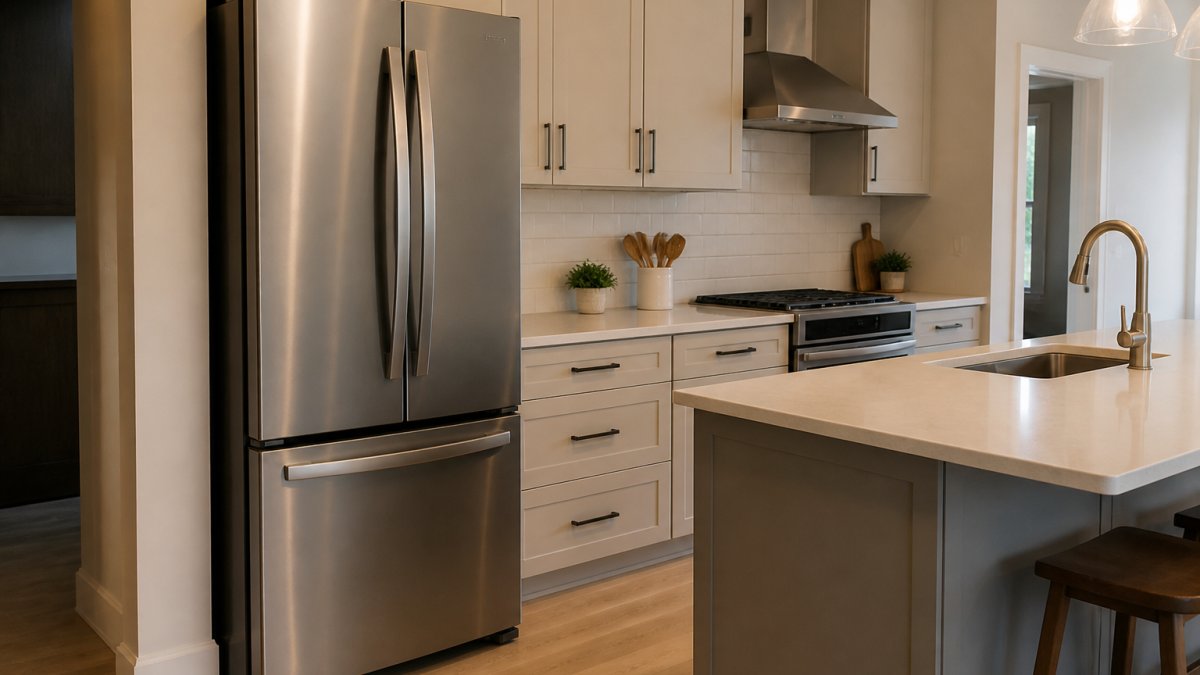
French-door refrigerators feature two side-by-side doors opening to the fresh food section, with a freezer drawer below. Four-door models add a second freezer drawer or separate temperature zones. Both styles have become increasingly energy efficient in recent years as manufacturers refined their designs.
French-door models work well for families prioritizing fresh food access and organization. The dual-door design reduces cold air loss compared to single-door styles because you open only the section you need. However, the additional complexity, more door seals, multiple compartments, creates more potential efficiency challenges if seals degrade.
Four-door refrigerators offer maximum customization with separate temperature zones for different food types. This flexibility appeals to households with specific storage needs. The energy cost depends heavily on configuration. A four-door model with two freezer drawers uses more energy than a French-door with single freezer, but less than a French-door with integrated ice and water dispensers.
When shopping online, compare kilowatt-hour ratings rather than assuming style determines efficiency. A well-designed French-door model may consume less energy than a poorly-sealed four-door unit.
Top-Freezer and Counter-Depth Options
Top-freezer refrigerators remain the most energy-efficient standard configuration (Refrigerators). The freezer compartment sits above the fresh food section, allowing gravity to assist cooling circulation. This simple design minimizes moving parts and seal complexity. Top-freezer models typically rank among the lowest energy consumers in any given capacity range.
The trade-off is convenience. You bend down frequently to access fresh food, and the freezer space sits at eye level but offers less usable volume than side-by-side or French-door freezers. Families willing to accept this ergonomic compromise gain meaningful energy savings, often 10-20% lower consumption than comparable French-door models.
Counter-depth refrigerators align flush with kitchen cabinetry, creating a seamless appearance. They're shallower than standard models, typically 24-25 inches deep versus 30-34 inches. This design constraint limits interior volume and can reduce efficiency because smaller refrigerators use proportionally more energy for their storage capacity. If kitchen aesthetics matter less than operating cost, a standard-depth energy efficient refrigerator delivers better value.
When you buy an energy efficient refrigerator online, clarify whether you're comparing standard-depth or counter-depth models. The depth affects both energy consumption and price significantly.
Energy-Efficient Refrigerator Cost to Run and Total Ownership
Understanding the true cost of owning an energy efficient refrigerator requires looking beyond the purchase price. Total ownership cost includes the initial investment, annual operating expenses, and maintenance over the appliance's lifespan.
Annual operating cost depends on three factors: kilowatt-hours per year, your local electricity rate, and usage patterns. A refrigerator consuming 500 kilowatt-hours annually in a region with average electricity rates incurs roughly $60-80 per year in operating costs. A less efficient 800-kilowatt-hour model costs $95-130 annually.
An energy efficient refrigerator priced $200-400 higher than a standard model recoups that premium through utility savings within 3-5 years. After that breakeven point, you're simply saving money. Most refrigerators last 12-18 years, meaning you'll realize 7-12 years of pure operating-cost advantage after recovering the initial premium.
When you shop online, always request the kilowatt-hour rating and calculate your expected annual cost using your local electricity rate. This calculation transforms an abstract "energy efficient" claim into concrete dollar savings.
Maintenance costs also factor into total ownership. Energy efficient refrigerators with advanced features, digital controls, inverter compressors, multiple sensors, may cost more to repair if components fail. However, the improved reliability of quality components typically offsets this risk.
Refrigerator Delivery and Installation: What to Expect
Ordering a refrigerator online requires understanding delivery and installation logistics. Refrigerators are large, heavy appliances that demand careful handling and proper setup.
Most online retailers offer scheduled delivery within 3-7 business days. The delivery window typically spans 2-4 hours. Delivery crews bring the refrigerator to your kitchen and position it in place. Some retailers include basic installation, connecting water lines if the model has an ice maker or water dispenser.
Before the refrigerator arrives, measure your kitchen space carefully. Account for door swing clearance, not just the appliance dimensions. Ensure doorways and hallways are wide enough for the unit to pass through. Many delivery issues stem from customers discovering space constraints after ordering.
When the refrigerator arrives, inspect it immediately for shipping damage. Take photos if any dents or defects are visible. Document the condition before the delivery crew leaves, claims become difficult after they depart. Most retailers allow returns or replacements within 30 days if damage occurred during shipping.
After installation, allow the refrigerator to sit upright for 4-6 hours before plugging it in. This allows refrigerant to settle if the unit was transported horizontally. Then set the temperature to 37-40 degrees Fahrenheit for the fresh food section and 0 degrees for the freezer.
Smart Features and Customization Options
Modern energy efficient refrigerators increasingly include smart features that enhance convenience and support efficient operation. Understanding which features add real value versus marketing appeal helps you make informed choices when you buy an energy efficient refrigerator online.
Digital temperature controls allow precise adjustment of fresh food and freezer compartments independently. This precision prevents overcooling, which wastes energy. Humidity-controlled drawers maintain optimal moisture levels for vegetables and fruits, reducing spoilage and extending food freshness.
Smart refrigerators connect to your home Wi-Fi network, enabling remote temperature monitoring and adjustment via smartphone apps. You can check if you left the door open, adjust settings while away, or receive alerts if temperature rises unexpectedly.
Water and ice dispensers add convenience but reduce efficiency. The dispenser requires additional plumbing connections and maintains a water line at cool temperatures continuously.
Customizable storage with adjustable shelves and compartments lets you organize food efficiently, which indirectly supports energy conservation. Better organization means you find items quickly, reducing the time the door stays open.
When shopping online, prioritize features that directly impact your household's usage patterns. Families with young children might value ice dispensers. Health-conscious households benefit from humidity-controlled produce drawers. Single professionals or couples may find these features unnecessary.
Key Buying Criteria and Selection Checklist
Choosing the right energy efficient refrigerator requires evaluating multiple factors beyond energy consumption. Use this framework to narrow options when you buy an energy efficient refrigerator online.
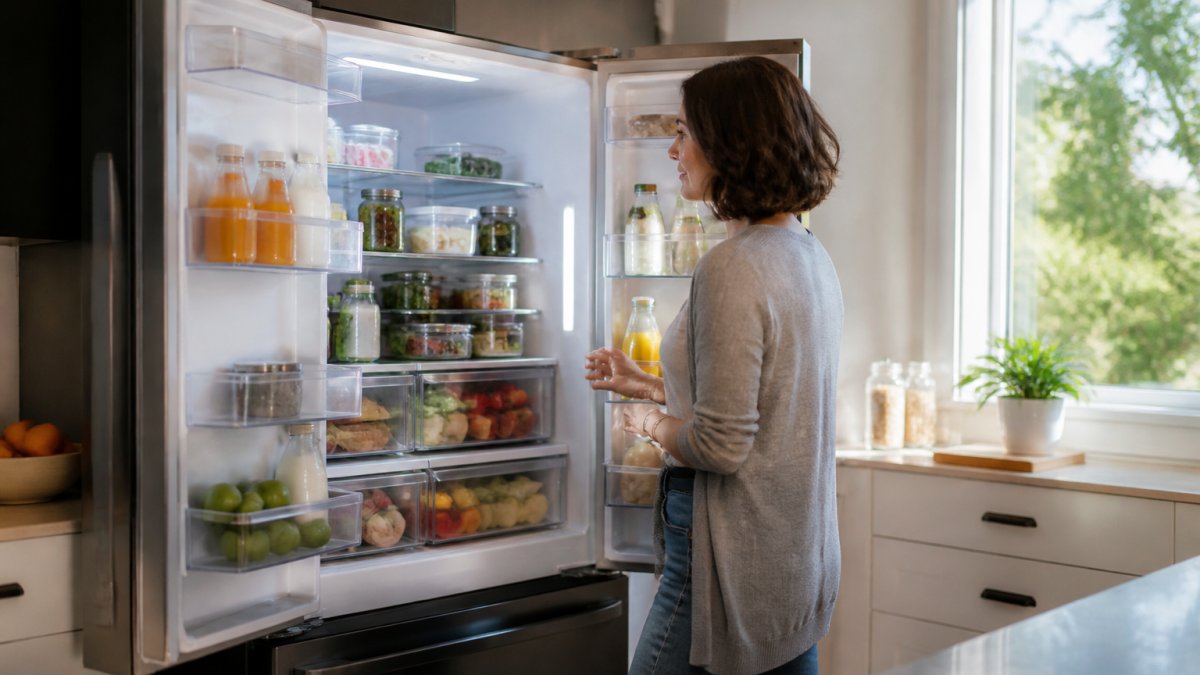
Capacity and Configuration: Measure your kitchen space and determine the capacity you actually need. Oversized refrigerators consume more energy than necessary.
Energy Consumption: Obtain the annual kilowatt-hour rating for each model you're considering. Calculate annual operating cost using your local electricity rate.
Reliability and Warranty: Check manufacturer warranty coverage. Standard warranties cover 1 year on parts and labor. Extended warranties (3-5 years) provide additional protection.
Delivery and Installation: Confirm the retailer's delivery timeline and installation services. Understand which components are included in the purchase price versus charged separately.
Features and Customization: List must-have features and nice-to-have features separately. Prioritize features that match your household's actual needs. Avoid paying premium prices for capabilities you won't use.
Price and Financing: Determine your budget. Compare total cost including delivery and installation, not just the appliance price.
| Selection Factor | What to Check | Why It Matters |
|---|---|---|
| Annual Energy Use | Kilowatt-hours per year | Determines your actual operating costs |
| Capacity | Cubic feet | Oversized units waste energy; undersized units lack space |
| Configuration | Style preference | Affects energy efficiency and kitchen workflow |
| ENERGY STAR Status | EPA certification label | Confirms independent verification of efficiency claims |
| Warranty Coverage | Parts and labor duration | Protects against unexpected repair costs |
| Delivery Timeline | Days to delivery | Ensures timely replacement if your current unit failed |
| Installation Services | What's included | Clarifies total cost before purchase |
| Feature Set | Smart capabilities and customization | Matches your household's actual usage patterns |
Fast Appliances LLC simplifies this selection process by providing detailed specifications and energy consumption data for every refrigerator in our online catalog.
Choosing an energy efficient refrigerator is one of the smartest investments you can make for your home.
Frequently Asked Questions
Is an ENERGY STAR refrigerator worth buying?
Yes. ENERGY STAR-certified refrigerators use 15% less energy than standard models, which translates to lower electricity bills over the appliance's lifetime. While the upfront cost may be slightly higher, the reduced operating expenses and potential rebates or incentives offset the difference within a few years. If you plan to keep the refrigerator for 10+ years, the savings compound significantly.
How much does it cost to run an energy-efficient refrigerator annually?
Running costs depend on the model's capacity, configuration, and your local electricity rates. Most ENERGY STAR refrigerators consume between 400-600 kWh per year. At an average U.S. rate of $0.13 per kWh, expect annual operating costs between $52 and $78. Non-certified models typically cost 15% more to run. Check the EnergyGuide label on product listings for model-specific estimates.
What should I check before ordering a refrigerator online?
Verify the exact dimensions (width, depth, height) against your kitchen space and doorway clearance. Confirm the capacity in cubic feet matches your household size. Check the ENERGY STAR certification status and annual energy consumption on the EnergyGuide label. Review delivery and installation options, return policies, warranty coverage, and whether removal of your old unit is included. Read customer reviews about noise levels and reliability.
How can I tell whether a refrigerator is energy efficient?
Look for the ENERGY STAR label on the product page, which certifies the model meets strict efficiency standards set by the EPA. Review the yellow EnergyGuide label, which displays estimated annual electricity use in kWh and projected yearly operating costs. Compare the energy consumption across models of the same size and type, lower kWh numbers indicate greater efficiency. Models with Smart Inverter Compressors and digital temperature controls typically perform better.
What refrigerator configurations are most energy efficient?
Top-freezer and counter-depth models are generally the most energy-efficient configurations because they have smaller surface areas and simpler cooling systems. French-door and four-door refrigerators offer more features but consume slightly more energy due to their larger capacity and multiple compartments. Bottom-freezer models fall in the middle. For maximum efficiency, prioritize capacity that matches your needs, oversized refrigerators waste energy, while undersized ones work harder.